
Page 4 – The Crypt – the home of classic horror movies
EDEN LAKE (2008)
By Neil Baker
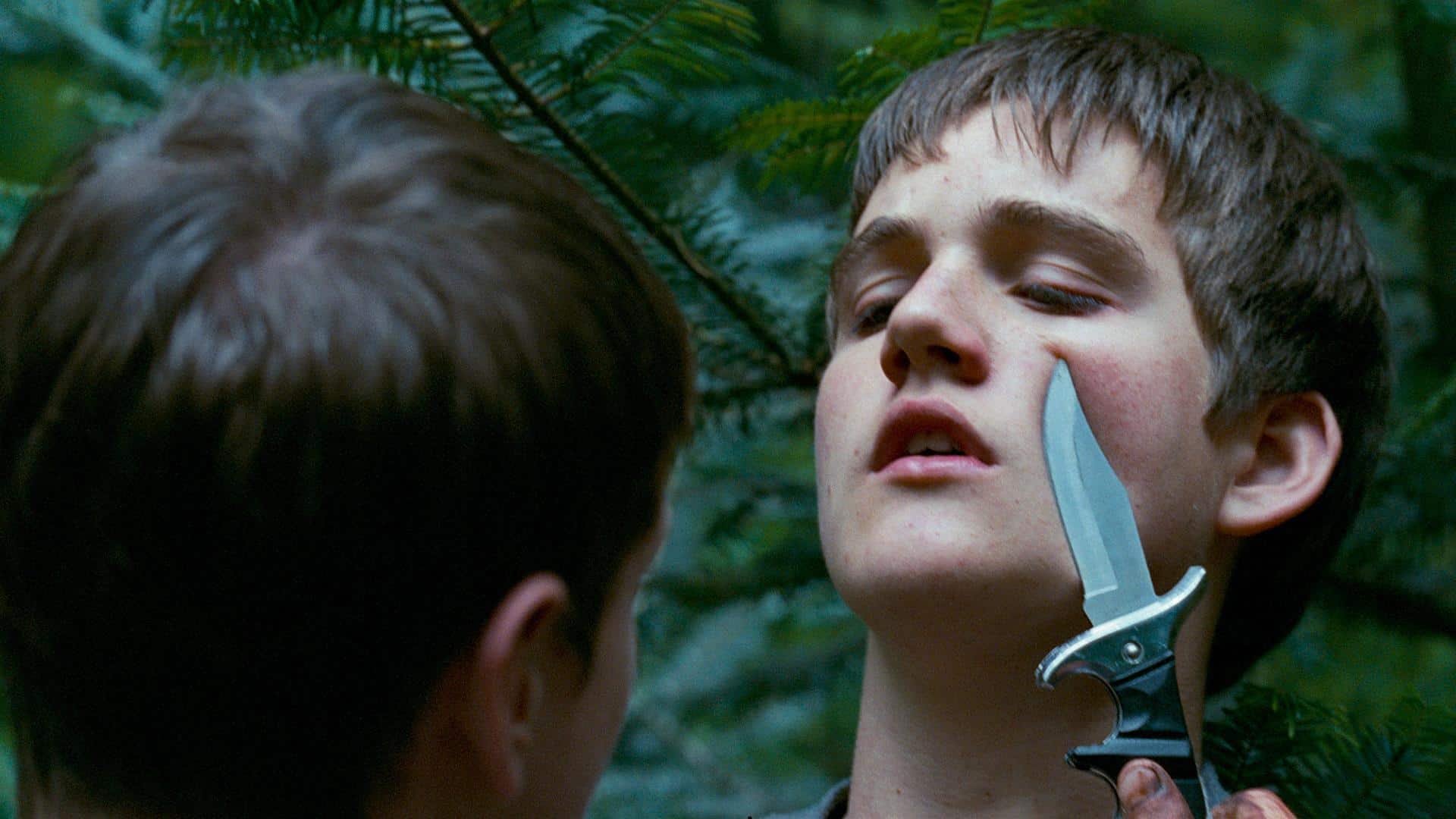
The best horror movies reflect the fears of the society surrounding them when they arrive in cinemas, and Eden Lake is no exception.
Arriving in cinemas in 2008, Eden Lake played to fears already well-established in British society: fears that our kids were out of control. In 2004, the then-Labour Government further strengthened and built upon the ASBO (Anti-Social Behaviour Order) it had introduced in 1998; it was another knee-jerk reaction to the increasing gang culture on our inner-city streets, which sought to dish out punishments rather than provide meaningful youth work.
Meanwhile, tabloid newspapers built upon the fears of a nation as they discussed the “hoodie menace” while printing stories of kids stalking towns looking for victims, while young gangs called the shots on housing estates.
Eden Lake took these fears and elevated them. Here, a young couple (Kelly Reilly and Michael Fassbender) face an anti-social group of teens led by Brett (Jack O’Connell) on a camping trip. But sometimes, it’s best to walk away rather than poke the hornet’s nest. Eden Lake is a terrifying, riveting, bleak and formidable horror that’s not for the squeamish.
TORMENTED (2009)

By Neil Baker
School can be a pretty dark place at the best of times, with the corridors a playground of jibes, bullying and peer pressure. Tormented understands this inherent darkness and the pain many kids face because they’re different. Here, the sadistic pleasure many teens gain from the power they wield in the playground comes back to bite them as Alex Pettyfer’s Bradley White and his small entourage of followers, including Alexis (Dimitri Leonidas), Justine (Tuppence Middleton) and Marcus (Tom Hopper), face the supernatural consequences of their recent actions.
Jon Wright’s movie was labelled a horror/comedy on its release, but trust me, there is real darkness at play in the story. Drenched in blood, gore and screams as karma bites with a sneaky cameo from one Olly Alexander, Tormented is a long-forgotten British horror gem with a lot to say about bullying, social media and mental health beneath the gore and occasional giggles.
The Crypt – the home of classic horror movies
THE INNOCENTS (1961)
By Neil Baker
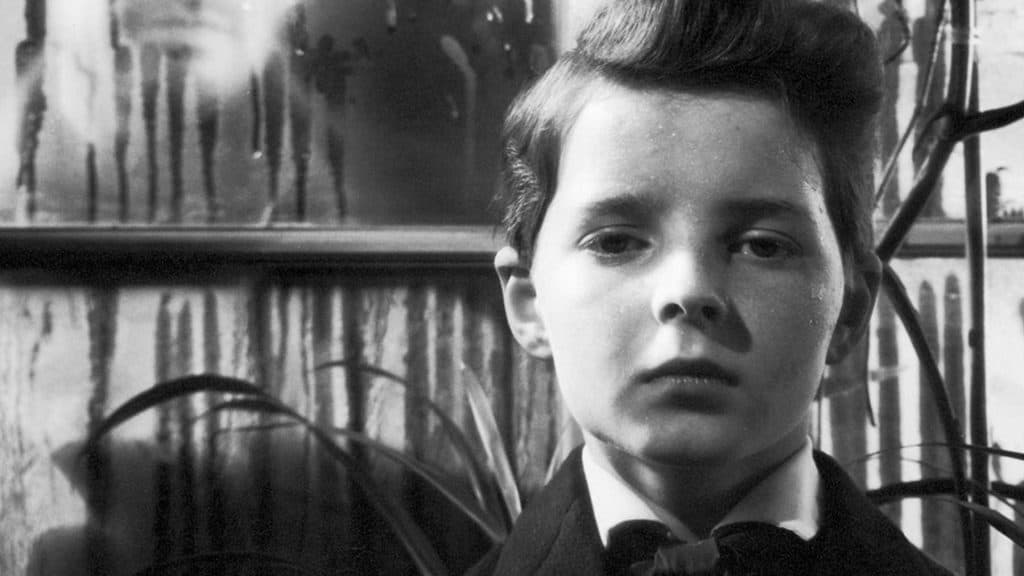
Based on Henry James’ 1898 novella “The Turn of the Screw”, British director Jack Clayton’s 1961 film, The Innocents, is still the best screen adaptation of the Henry James story.
Clayton builds tension from the first scene to the last, never seeking to offer quick answers to the ghostly themes at the heart of James’s eternally fascinating story. As Clayton wraps us in his chilling mystery, Deborah Kerr’s emotionally repressed teacher, Miss Giddens, slowly enters a maze of intrigue and lies, as the children in her care morph from innocent munchkins into something far more fearsome.
Cinematographer Freddie Francis cleverly utilises the black-and-white CinemaScope frame to its full potential, bathing each scene in Gothic shadows and vibrant white light. This world of childhood innocence and adult fear still sends a shiver down the spines of everyone watching, 63 years after it first graced cinema screens.
More than a chilling horror, Clayton’s The Innocents is a hauntingly beautiful film that carves a place in the memory and demands repeat viewings.
A TALE OF TWO SISTERS (2003)
By Agnes Sajti
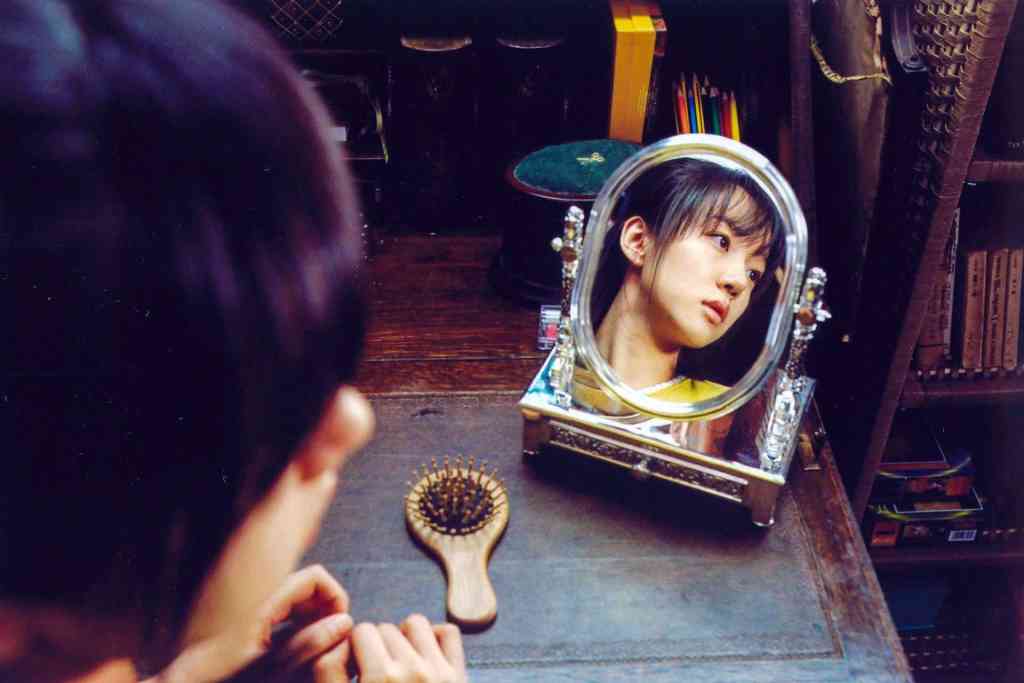
Kim Jee-Woon’s A Tale of Two Sisters is undoubtedly one of South Korea’s best-known psychological horrors and holds the prestigious title of being the highest-grossing Korean horror film so far. As a result, A Tale of Two Sisters has often been cited as a cornerstone of South Korean cinema and the forerunner of movies such as Oldboy (2003), Train to Busan (2016) and The Wailing (2016).
Based on an old Korean folktale, “The Story of Janghwa and Hongryeon”, the film may start as a generic haunted house ghost story, but ends up so much more than a cheap fright.
A Tale of Two Sisters is at its most potent when one enters Kim Jee-Woon’s world, knowing little about the plot, even though the main twist can probably be seen from miles away. The story, however, is secondary to the incredible, scary, and dramatic atmosphere Kim Jee-Woon creates.
There is an underlying feeling of dread from the first frame to the last—the haunting story that unfolds, with just the right amount of jump scares and gore to appeal to all who seek a thrilling ride. Furthermore, the beautiful set design and music only further elevate the film to new heights, making A Tale of Two Sisters a truly memorable and unique experience.
THE VANISHING (1988)
By Agnes Sajti
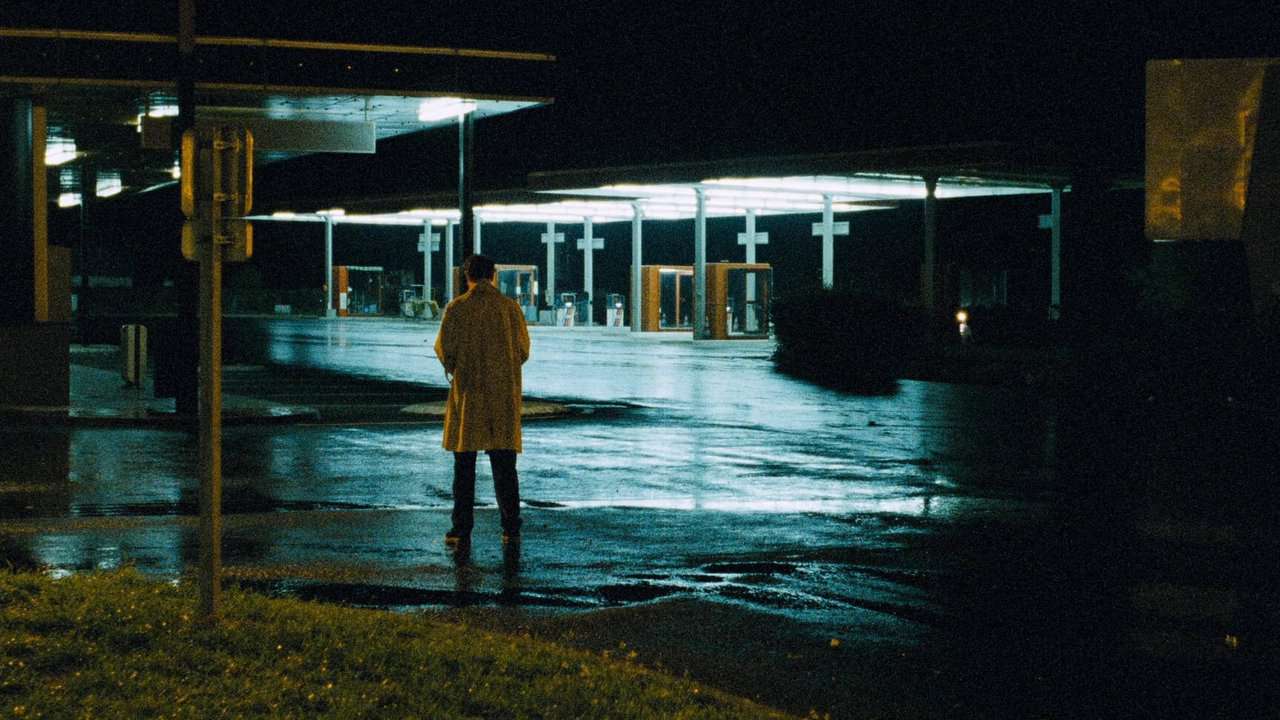
Described by Stanley Kubrick as “the most terrifying film he had ever seen”, George Sluizer’s The Vanishing is one of the greatest thrillers ever made. Sluizer’s story slowly builds its visceral terror as we meet Rex (Gène Bervoets) and Saskia (Johanna ter Steege), a Dutch couple travelling through France. When Saskia suddenly disappears at a busy petrol station without any explanation, The Vanishing takes a horrific turn as Rex frantically searches for her. This search continues for years, consuming Rex’s life until Raymond (Bernard-Pierre Donnadieu) suddenly calls.
There are no big twists, last-minute rescues, or Hollywood reveals in The Vanishing; even the suspense builds slowly. However, there is a palpable sense of unease from the outset, creating an utterly terrifying story rooted in one inescapable fact: these events could happen to anyone, anywhere and at any time. Sluizer’s film is, at its heart, a terrifying take on the abduction subgenre, as we spend equal screen time with Rex, the boyfriend and Raymond, the kidnapper – a self-proclaimed sociopath. This enables us to develop an understanding of their personas and their origins long before they meet for the first time.
Sluizer’s film delves into uncomfortable themes of obsession and loss from two distinct and challenging angles, culminating in an anxiety-inducing car ride and a gut-wrenchingly hopeless, dark finale.
In 1993, Sluizer would return to The Vanishing with an English-speaking remake starring Sandra Bullock, Jeff Bridges and Kiefer Sutherland, but it’s the original that continues to haunt people’s dreams.
DEAD OF NIGHT (1945)

By Agnes Sajti
Ealing Studios’ horror anthology Dead of Night is one of the most remarkable British horrors of the 1940s. Directed by four accomplished filmmakers —Basil Dearden, Robert Hamer, Alberto Cavalcanti, and Charles Crichton —Dead of Night presents a compilation of supernatural tales told by guests who gather in a countryside house in Kent. Each account is framed by an equally chilling, nightmarish overarching story.
Dead of Night would lay the groundwork for The Twilight Zone (1959-1964) and Tales of the Unexpected (1979-1988), with five amazing stories that differ stylistically. “The Hearse Driver” explores death and fate; “The Christmas Party” is a Gothic ghost story; and “The Haunted Mirror” and “The Ventriloquist’s Dummy” delve into human psychology. And while there is a misstep with the fifth, “The Golfer’s Story”, in a brilliant plot twist, the last scene cleverly feeds back to all the tales told beforehand, climaxing in a surreal, grotesque, and truly chilling montage that leaves us with an urgent need to turn on the lights.
The Crypt – the home of classic horror movies
EYES WITHOUT A FACE (1960)
By Sabastian Astley
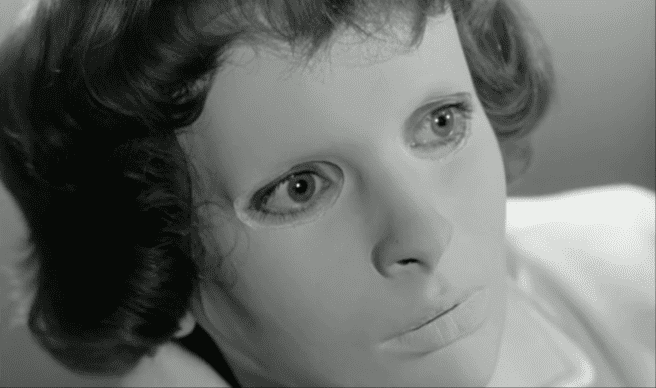
Opening in cinemas the same year as Peeping Tom and Psycho, George Franju’s picture courted controversy on release, like its peers. Yet Eyes Without a Face continues to receive far less attention than its peers.
Franju’s complex and multifaceted narrative is laced with discussions of love, loss, guilt, and control. At the same time, its striking, haunting visuals would go on to inspire directors ranging from John Carpenter to John Woo and Edgar Wright.
Often cited as a benchmark of modern horror, Franju’s film is packed with meaning without sacrificing pace. The tension between its artistic merit and the horrific imagery is sutured together, much as Christiane’s face is. Here, its poetic language is full of visual metaphors that deepen its world and the emotional complexity of each character. Everyone has a façade, and no one is who they seem.
The result is a film that demands multiple viewings. Franju’s film is a remarkably complex yet seductively inviting picture that represents horror’s power as an art form.
THE GOOD SON (1993)

By Neil Baker
Released in 1993, The Good Son had a turbulent journey to the cinema, beset by rewrites, production changes, and Hollywood politics. The Good Son began its cinematic journey within the imagination of novelist Ian McEwan. Initially conceived as a medium-budget psychological thriller, The Good Son would be entrusted to director Michael Lehmann (Heathers).
Lehmann’s first act was to cast Jesse Bradford (Presumed Innocent) to play the psychologically damaged Henry. However, at 20th Century Fox, Kit Culkin was negotiating Macaulay’s contract for Home Alone 2 – Lost in New York, which would include the role of Henry in The Good Son. Jesse Bradford was out, and Fox eyed Elijah Wood for the role of Mark, bringing together two of the 1990s’ biggest young stars. Meanwhile, McEwan walked away from the project alongside Lehmann, with Fox bringing in Joseph Ruben (Sleeping with the Enemy).
The Good Son wasn’t afraid to subvert the wholesome images of Hollywood’s highest-paid child stars. Still, in doing so, it ultimately sacrificed McEwan’s psychological thriller for something far more mainstream. But for all its faults, The Good Son does prove one thing: no matter how angelic the face, you never know what horrors lie beneath the hood.
ONLY LOVERS LEFT ALIVE (2013)
By Neil Baker
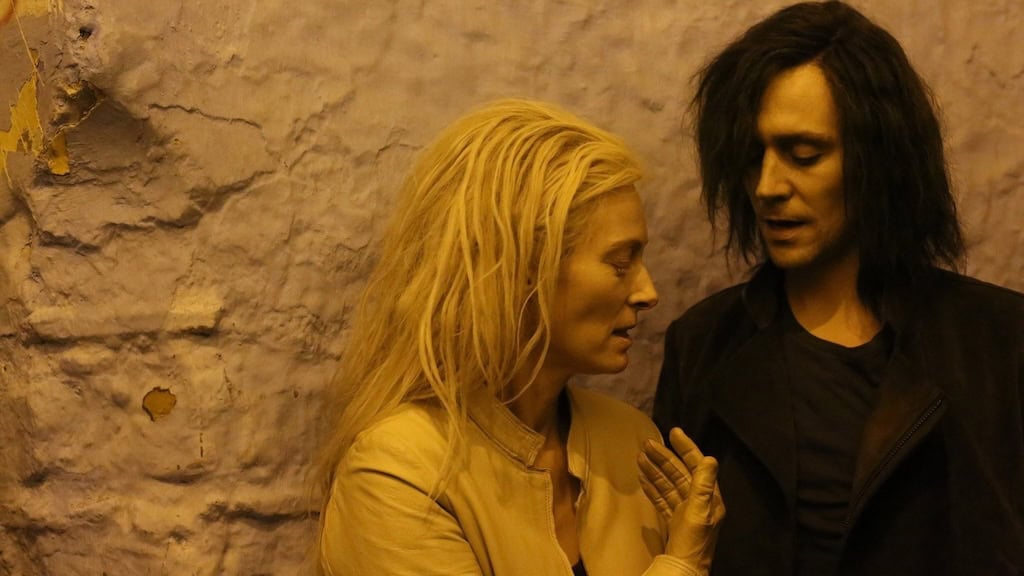
Romance, art, literature, and music sit at the heart of Jim Jarmusch’s 2013 masterpiece, a divine journey into vampire folklore. Here we have a movie where the classic tropes of vampiric evil and abomination are thrown into the gutter, replaced by Jaramush’s lighthearted yet vivid exploration of eternal life and loneliness. In Jaramush’s world, the need for blood plays on the universal themes of drug addiction. Here, the quick hit of each last drop only elevates the artistic endeavours and curiosity of our ancient vampires, Adam (Tom Hiddleston) and Eve (Tilda Swinton), their lives a whirlwind of reminiscence as they debate the very foundations of the universe and the human zombies who plague its development.
Jarmusch delicately unpicks and celebrates the vampire’s romanticism, joyously lampooning Twilight’s soft glow while celebrating the work of authors such as Anne Rice. His fascination with art, physics, and nature sits centre stage in a film that dovetails biblical concepts of Eden with romance, humour, addiction, and music. The result is a unique trip through an intoxicating haze of magnetic sexuality, immortality, bloodlust and art.
LET THE RIGHT ONE IN (2008)

By Neil Baker
Based on the novel of the same name by John Ajvide Lindqvist, Let the Right One In is as close to a horror masterpiece as you can get, as it explores the link between vampire mythology and the classic coming-of-age story. Alfredson’s delicately layered narrative of first love is laced with discussions on loneliness, anger and teenage anxiety.
The vampire is a 12-year-old girl named Eli, who wasn’t assigned female at birth; her life is forever caught in the first throes of adolescence, transformation, and change until she meets young Oskar (also twelve) in Stockholm’s snowy suburbs. Oskar may not be trapped in his twelve-year-old body for all eternity like Eli, but he is a prisoner of local bullies, his life held in a bubble of fear and anxiety.
Let the Right One In offers a complex story of two lost souls who find a powerful sense of belonging in each other’s presence; one is a bullied, scared, and outcast human, and the other is an isolated, vulnerable young vampire.
Let the Right One In excels in its eerie, poetic portrait of teenage friendship, love, and protection as Eli and Oskar’s budding relationship is held within a false veil of security, slowly torn away by reality. The resulting film strips back the deepest fears of early adolescence while beautifully exploring notions of power, place, and belonging.
The Crypt – the home of classic horror movies
THE HAUNTING (1963)
By Agnes Sajti
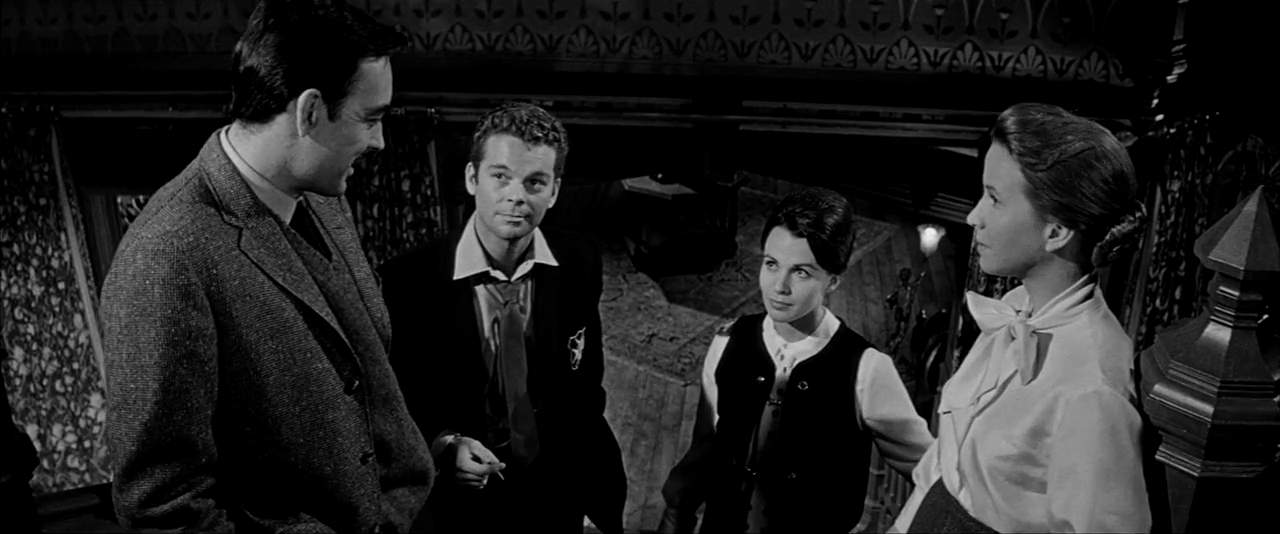
Based on Shirley Jackson’s acclaimed 1959 Gothic horror novel The Haunting of Hill House, Robert Wise’s film, simply titled The Haunting, is a relatively faithful adaptation that still maintains an eerie and frightening tone to this day. We open with a prologue detailing the history of Hill House, its inhabitants, and a series of horrific, unexplained events before shifting to the present, where Dr John Markway (Richard Johnson) is investigating paranormal activity in the long-abandoned building. It is here that he gathers a small group of people: Theo (Claire Bloom), a psychic; Eleanor (Julie Harris), who experienced poltergeist activity as a child; and Luke (Russ Tamblyn), the heir of the current owner.
Wise positions Eleanor as the main character because of her ability to sense and respond to unseen evil forces through her growing paranoia and delusion. However, before the narrative is overtaken by supernatural elements that cannot be rationally explained, Wise’s movie takes an unusual turn as Markway’s wife, Grace (Lois Maxwell), unexpectedly appears.
Grace stands out from the group, as she refuses to believe that supernatural forces are at work in the house. To prove her point, she decides to spend the night in the nursery – the room that is likely the centre of the disturbances. However, it is during this night that Grace vanishes, pushing Eleanor over the edge. Eleanor climbs the decaying spiral staircase in the library and is startled by Grace’s face, looking back at her through a trap door in the ceiling. The two women “face off” once again in the finale when Eleanor – as she is driving away from the mansion – is suddenly alarmed by an eerie, ghost-like figure, which results in her crashing the car into a tree.
While the film is full of scenes beyond scientific explanation, the contrast of Grace as a defiantly sceptical character amid a nightmarish, supposedly haunted mansion feels like a breath of fresh air. Is Hill House objectively evil? Or are Eleanor’s delusions manifesting? Wise cleverly plays with our perceptions, judgments, and beliefs throughout a film that, on the surface, wants us to believe in supernatural events. Yet, I have always been intrigued by seeing the same story from Grace’s perspective. Here, Wise leaves his supernatural questions open and never attempts to conclude whether “spirits” torment the protagonists or whether they slowly drive each other mad.
PHANTASM (1979)
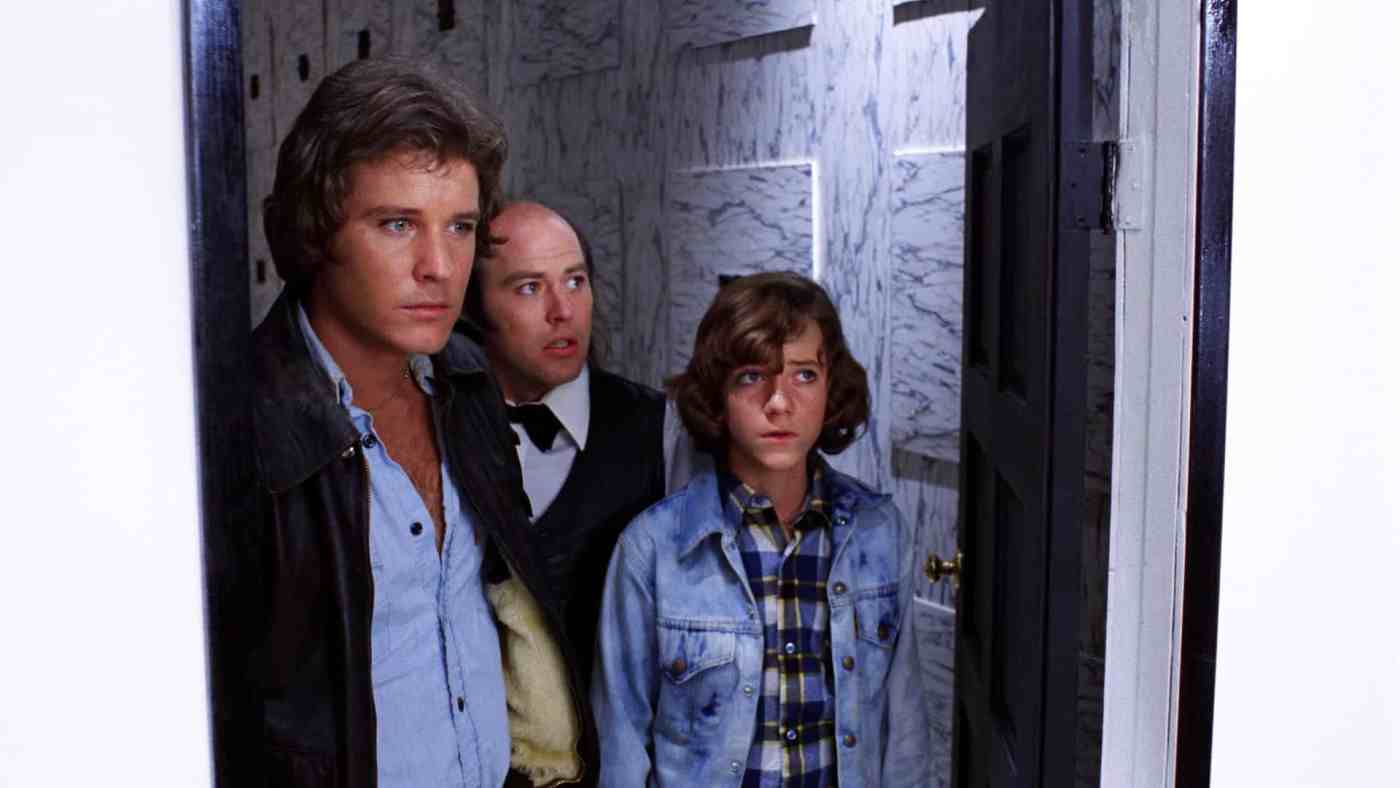
By Neil Baker
Some films remain an enigma no matter how many times you watch them. These puzzle box movies never entirely give up their secrets and lodge themselves in your mind for all eternity; they can be infuriating, beautiful and haunting as they pull you back for multiple viewings. Phantasm is one of those films. Like a nightmare that haunts you hours after you wake, it’s a movie I have carried with me since I first watched it at the age of twelve.
Mike and Jody Pearson are two brothers still raw with emotion following the sudden death of their parents. Living alone in a once-happy family home, Jody has been left to raise his younger brother, Mike, but he equally longs for escape. Following the mysterious death of Jody’s friend, Mike is determined to find out what lies behind his apparent suicide and opts to hang around after the boy’s funeral for potential answers. But what Mike witnesses makes no sense, as a tall undertaker heaves the coffin out of its resting place before dumping it into the back of a hearse. Intrigued and scared, Mike decides to break into the marble fortress of the funeral home, but the horrors that lurk inside are far more petrifying than anything he could have imagined. This is no ordinary funeral home; it’s a gateway to another world, with the keys held by the mysterious Tall Man, the tiny, hooded creatures that do his bidding, and the strange, flying, metallic orbs that drill into the heads of unwelcome visitors.
Phantasm caused me to have more than a few nightmares at age twelve, but it also intrigued me, luring me back again and again to explore the rough VHS recording I owned. But it wasn’t until its DVD release many years later that I found myself exploring Don Coscarelli’s film through an adult lens, and what I discovered partly explained why Phantasm had such an impact on my young brain. At its heart, Phantasm is a coming-of-age tale centred on feelings of adolescent fear, disconnection, and grief, focusing on the painful moment we realise, usually in our teens, that life is finite, and death is inevitable.




Follow Us