
Page 3 – The Crypt – the home of classic horror movies
ROSE: A LOVE STORY (2021)

By Neil Baker
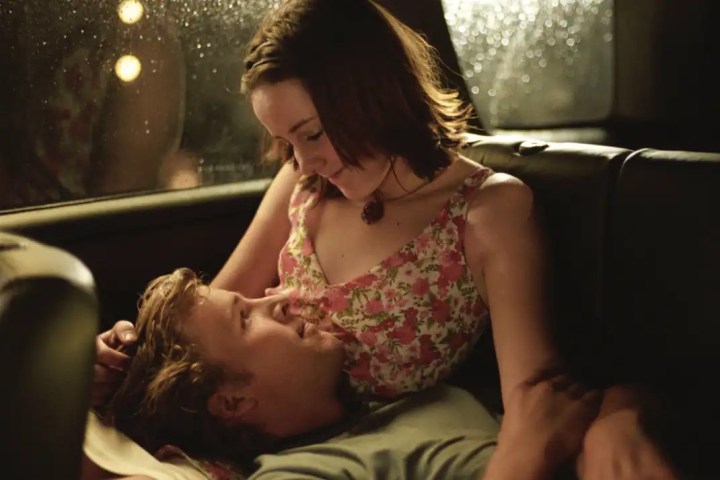
Written by Matt Stokoe and directed by Jennifer Sheridan, Rose: A Love Story owes much to Trey Edward Shults’ 2017 film It Comes at Night, as it explores isolation, love, and protection through creeping, unnerving horror. Sheridan’s slow-burning horror never mentions the word ‘vampire,’ offering only fleeting glimpses of the trauma Rose and Matt endure daily at their secluded home deep in the woods of Northern England.
However, their peace and safety are about to be disrupted when an injured stranger arrives, and Rose and Sam find their lives suddenly scrutinised like never before. Rose: A Love Story never succumbs to the need for cheap jump scares, instead building tension slowly. Here, Stokoe and Sheridan are willing to keep the shocks, blood and terror for a terrifying and sad climax, as Rose and Matt’s love faces the horror of community persecution.
THE LOST BOYS (1987)

By Neil Baker
The Lost Boys has long been celebrated as a brilliantly entertaining slice of 80s horror. The Lost Boys was the Top Gun of teenage horror in many ways: a feature-length music video featuring Gerard McMann, INXS, and Echo and the Bunnymen. But under the hood, Joel Schumacher and Richard Donner’s comic-book horror was an inspired, vampiric take on J.M. Barrie’s Peter Pan. The dark and mysterious (Kiefer Sutherland) and his band of bikers are the lost boys of Barrie’s story, but they are not led by an impish Peter Pan but by a vision of Hook called Max (Ed Herrman).
Within this macabre Pan-inspired fairground of choices and hormones, the new boys in town, Michael (Jason Patric) and his kid brother, Sam (Corey Haim), find themselves trapped in a playground of conformity, peer pressure, sexuality, and identity in this stunning Santa Carla-based horror.
SINNERS (2025)
By Calum Cooper
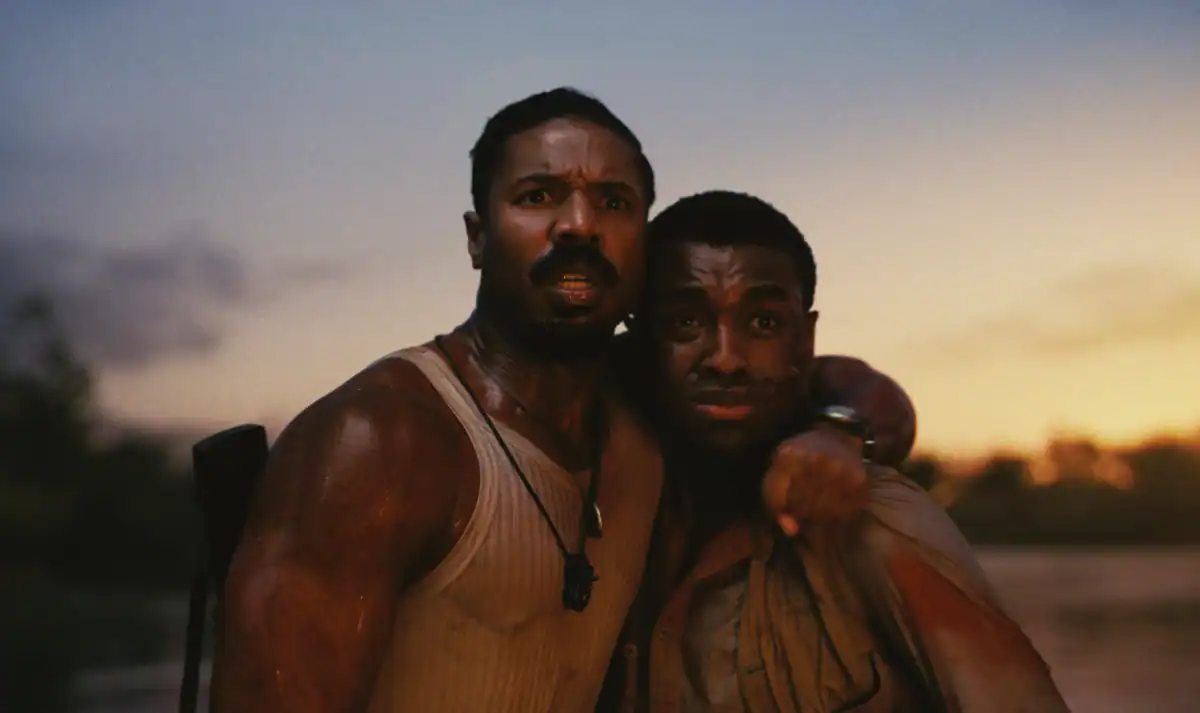
Ryan Coogler’s Sinners is a spellbinding ode to music, culture, and the intricacies of a life marked by oppression. Coogler has long established himself as a uniquely exciting voice among today’s writer-directors. From Indie gems like Fruitvale Station to legacy sequels like Creed and one of the Marvel Cinematic Universe’s best films, Black Panther, Coogler works within the confines of the Hollywood system to tell emotionally gripping stories, notably with a preference for overlooked characters and marginalised groups. Sinners may well be Coogler’s best as its atmospheric terror is matched only by its soulful tunes and themes.
A musical horror set in 1932’s Mississippi Delta, twins Smoke and Stack (both played by Michael B Jordan) return to their hometown of Clarksdale after years of working for Chicago gangsters. Despite their complicated pasts and the blatant racism of 1930s Mississippi, the twins are determined to set up a juke joint for the local black community. The first chunk of the film details their recruitment of several friends and family to help run the place. Most significant among them is their little cousin Sammie (Miles Caton), an aspiring guitarist with a gift for blues music, despite his preacher father seeing such music as supernatural evil.
For a while, the juke joint’s opening night appears to be going well, the close-knit company and welcoming mood made melodic by Sammie’s transcendent musical ability. However, Sammie’s chords attract a group of vampires led by Jack O’Connell’s Remmick, and a night of joy morphs into horror as Remmick and his horde attack, transforming the guests into vampires one by one. Thus, the surviving patrons must fight until sunrise should they wish to see another day.
Hybridising the horror and musical genres is not unheard of (Sweeney Todd and Phantom of the Opera come to mind), yet this mixing of styles gives Coogler the perfect means to explore his chosen themes. At its core, Sinners is a celebration of culture and community, namely how it survives in the face of evil, be it supernatural entities like in this film or racist societal stigma that would otherwise hegemonise different cultures under one misguided banner. Where music is the light that lauds history and identity – best showcased via a remarkable tracking shot during a solo by Sammie – horror is the darkness that emerges when supremacist ideas threaten culture and community.
WEAPONS (2025)
By Neil Baker
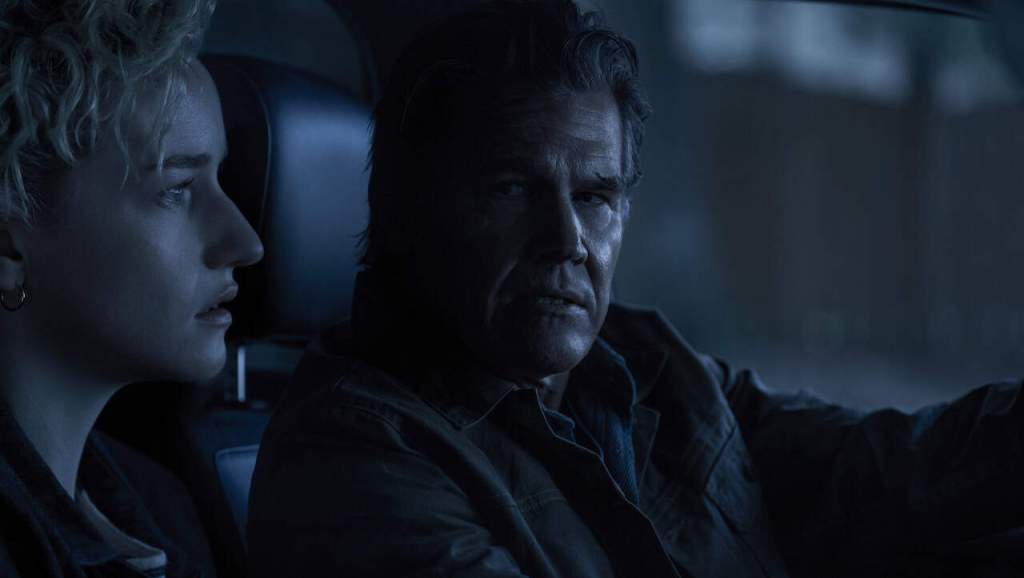
Cregger’s film wastes no time in introducing us to the mystery at its heart, a mystery that, as the film opens, remains unsolved. At 2:17 a.m. on an average school night in the otherwise quiet Pennsylvanian town of Maybrook, seventeen children, all from the same class, went missing. Many of them were last seen on doorbell cameras running into the night with their arms spread behind them like fighter jets speeding toward a target. Every one of these kids was from Justine Gandy’s (Julia Garner) classroom, a newly arrived teacher who deeply cared for her students but also carried some baggage from her last appointment. However, there’s one boy who remained at his desk on that fateful morning—a shy student named Alex (Cary Christopher), who his more confident classmates picked on.
Neither Justine Gandy nor her school principal, Andrew (Benedict Wong), knows what happened to the kids that night, and neither, it appears, does young Alex. The puzzled and frustrated local police, led by Captain Ed (Toby Huss), have no clues or leads, and his officers, one of whom, Paul, had a fling with Miss Gandy (Alden Ehrenreich), are all back on regular duty. But the lack of evidence hasn’t stopped the parents of the missing kids from drawing their own conclusions, led by a grieving and angry father, Archer Graff (Josh Brolin), who believes Miss Gandy knows more than she is saying.
With a typical small-town mentality that often leads parents to blame those who care for their kids when things go wrong, Graff is determined to uncover the truth about Gandy, even if that means an old-fashioned lynching. As Graf seeks to attribute blame without evidence, and Gandy turns to her own vodka-fueled investigation, one person living on the margins of this once ‘picture perfect’ community is about to obtain a valuable piece of the puzzle. That person is the homeless small-time thief and addict, Anthony (Austin Abrams), who lives in a tent on the periphery of town.
In a captivating and beautifully written, performed and directed example of the power of cinematic storytelling, Cregger lets the mystery slowly unravel from six overlapping perspectives: Justine, Archer, Andrew, Anthony, Paul, and Alex. As we bite our fingernails, nervously laugh and hide behind our hands, these individual stories combine to reveal a further character who may hold valuable information, played by the outstanding Amy Madigan.
POSSUM (2018)

By Sabastian Astley
The surprising creation of Matthew Holness, known for Garth Marenghi’s Darkplace, Possum follows a disgraced children’s puppeteer who returns to his childhood home and must grapple with the visceral trauma he’s repressed. As you can tell from the description, this is quite a departure from Garth Marenghi’s humorous antics.
Possum is just deeply, deeply unsettling. Containing one of the most disturbing-looking puppets I’ve ever seen in my life, Possum is a cold dive into murky, psychological waters. Some films make you feel warm and safe, but this film leaves you ice-cold and downright uncomfortable, often without doing anything. This likely stems from the intelligent structure and inspirations that Holness drew from, including Sigmund Freud’s theories on the uncanny, silent horror films of the 1920s and 1930s, and, perhaps most interestingly, public information films from the 1970s and 1980s. The result is a bone-chillingly uncomfortable watch, but you can’t quite tell why.
As we learn more and more, we begin to trust our protagonist, Phillip, less and less – from the opening, he strikes you as odd, like we’re in bad company. Every element of this film seems strategically designed to make you feel off, which is pretty similar to the tone of many public information films when you think about it. In this case, Holness is taking it to the extreme. A lot of Possum is just wandering across moors and around abandoned buildings, reflecting his own interest in German Expressionist films. Yet, there is this protruding fear that infects every frame.
The best way to describe the tone of Possum is a shameful seediness – as though you’ve committed some perverse act by choosing to watch this, and now you’re being punished. You still feel dirty even when you’ve finished the film and bathed a few hours later. The filth of Possum will not easily scrub away. There will be images of this film that will stay with you for weeks – the bald, spidery Possum skittering down an abandoned hallway chasing you and the evil gaze of its dead eyes staring into your soul through the inky darkness. Possum manages to touch you in a place that not only did you not know existed, but never would want anyone to access.
THE EVIL DEAD (1981)

By Neil Baker
VHS and video rentals were the saviours of many low-budget horror movies in the 1980s and 1990s. But VHS didn’t just save The Evil Dead; it ensured Sam Raimi’s film became a cult classic.
If you are of a certain age, the video cover of The Evil Dead (1981) is forever etched in your memory, as is the movie itself, which many of us illicitly watched at home underage after persuading an older friend, parent or relative to rent it out.
The Evil Dead is a foundation stone for many an individual’s journey into horror, and let’s face it: there isn’t a better place to start. It’s a miracle The Evil Dead made it to video stores; after all, it was labelled as “obscene” and quickly removed on its first video outing as a “video nasty” before being resubmitted to the BBFC for VHS classification in 1990. Even then, it was cut from the version played in cinemas. It wasn’t until 2001 that The Evil Dead finally found peace in its uncut, 18-certificate form.
Sam Raimi’s masterpiece isn’t your standard early-eighties horror; it’s a highly creative journey in visual and auditory terror. Working alongside Tim Philo and effects lead Tom Sullivan, Raimi’s low-budget gem delivers an unforgettable, absurd movie experience through a plethora of fake blood, prosthetics, and model work. Here, elements of Night of the Living Dead and The Texas Chainsaw Massacre would combine with the atmosphere of H.P. Lovecraft as Raimi unpicked the classic ‘cabin in the Woods’ premise.
The Crypt – the home of classic horror movies
EVIL DEAD 2 (1987)
By Neil Baker
The surprising creation of Matthew Holness, known for Garth Marenghi’s Darkplace, Possum follows a disgraced children’s puppeteer who returns to his childhood home and must grapple with the visceral trauma he’s repressed. As you can tell from the description, this is quite a departure from Garth Marenghi’s humorous antics.
Possum is just deeply, deeply unsettling. Containing one of the most disturbing-looking puppets I’ve ever seen in my life, Possum is a cold dive into murky, psychological waters. Some films make you feel warm and safe, but this film leaves you ice-cold and downright uncomfortable, often without doing anything. This likely stems from the intelligent structure and inspirations that Holness drew from, including Sigmund Freud’s theories on the uncanny, silent horror films of the 1920s and 1930s, and, perhaps most interestingly, public information films from the 1970s and 1980s. The result is a bone-chillingly uncomfortable watch, but you can’t quite tell why.
As we learn more and more, we begin to trust our protagonist, Phillip, less and less – from the opening, he strikes you as odd, like we’re in bad company. Every element of this film seems strategically designed to make you feel off, which is pretty similar to the tone of many public information films when you think about it. In this case, Holness is taking it to the extreme. A lot of Possum is just wandering across moors and around abandoned buildings, reflecting his own interest in German Expressionist films. Yet, there is this protruding fear that infects every frame.
The best way to describe the tone of Possum is a shameful seediness – as though you’ve committed some perverse act by choosing to watch this, and now you’re being punished. You still feel dirty even when you’ve finished the film and bathed a few hours later. The filth of Possum will not easily scrub away. There will be images of this film that will stay with you for weeks – the bald, spidery Possum skittering down an abandoned hallway chasing you and the evil gaze of its dead eyes staring into your soul through the inky darkness. Possum manages to touch you in a place that not only did you not know existed, but never would want anyone to access.
THE CABINET OF DR CALIGARI (1920)

By Neil Baker
VHS and video rentals were the saviours of many low-budget horror movies in the 1980s and 1990s. But VHS didn’t just save The Evil Dead; it ensured Sam Raimi’s film became a cult classic.
If you are of a certain age, the video cover of The Evil Dead (1981) is forever etched in your memory, as is the movie itself, which many of us illicitly watched at home underage after persuading an older friend, parent or relative to rent it out.
The Evil Dead is a foundation stone for many an individual’s journey into horror, and let’s face it: there isn’t a better place to start. It’s a miracle The Evil Dead made it to video stores; after all, it was labelled as “obscene” and quickly removed on its first video outing as a “video nasty” before being resubmitted to the BBFC for VHS classification in 1990. Even then, it was cut from the version played in cinemas. It wasn’t until 2001 that The Evil Dead finally found peace in its uncut, 18-certificate form.
Sam Raimi’s masterpiece isn’t your standard early-eighties horror; it’s a highly creative journey in visual and auditory terror. Working alongside Tim Philo and effects lead Tom Sullivan, Raimi’s low-budget gem delivers an unforgettable, absurd movie experience through a plethora of fake blood, prosthetics, and model work. Here, elements of Night of the Living Dead and The Texas Chainsaw Massacre would combine with the atmosphere of H.P. Lovecraft as Raimi unpicked the classic ‘cabin in the Woods’ premise.
HOME MOVIE (2008)

By Neil Baker
The surprising creation of Matthew Holness, known for Garth Marenghi’s Darkplace, Possum follows a disgraced children’s puppeteer who returns to his childhood home and must grapple with the visceral trauma he’s repressed. As you can tell from the description, this is quite a departure from Garth Marenghi’s humorous antics.
Possum is just deeply, deeply unsettling. Containing one of the most disturbing-looking puppets I’ve ever seen in my life, Possum is a cold dive into murky, psychological waters. Some films make you feel warm and safe, but this film leaves you ice-cold and downright uncomfortable, often without doing anything. This likely stems from the intelligent structure and inspirations that Holness drew from, including Sigmund Freud’s theories on the uncanny, silent horror films of the 1920s and 1930s, and, perhaps most interestingly, public information films from the 1970s and 1980s. The result is a bone-chillingly uncomfortable watch, but you can’t quite tell why.
As we learn more and more, we begin to trust our protagonist, Phillip, less and less – from the opening, he strikes you as odd, like we’re in bad company. Every element of this film seems strategically designed to make you feel off, which is pretty similar to the tone of many public information films when you think about it. In this case, Holness is taking it to the extreme. A lot of Possum is just wandering across moors and around abandoned buildings, reflecting his own interest in German Expressionist films. Yet, there is this protruding fear that infects every frame.
The best way to describe the tone of Possum is a shameful seediness – as though you’ve committed some perverse act by choosing to watch this, and now you’re being punished. You still feel dirty even when you’ve finished the film and bathed a few hours later. The filth of Possum will not easily scrub away. There will be images of this film that will stay with you for weeks – the bald, spidery Possum skittering down an abandoned hallway chasing you and the evil gaze of its dead eyes staring into your soul through the inky darkness. Possum manages to touch you in a place that not only did you not know existed, but never would want anyone to access.
CLASS OF 1984 (1982)
By Neil Baker
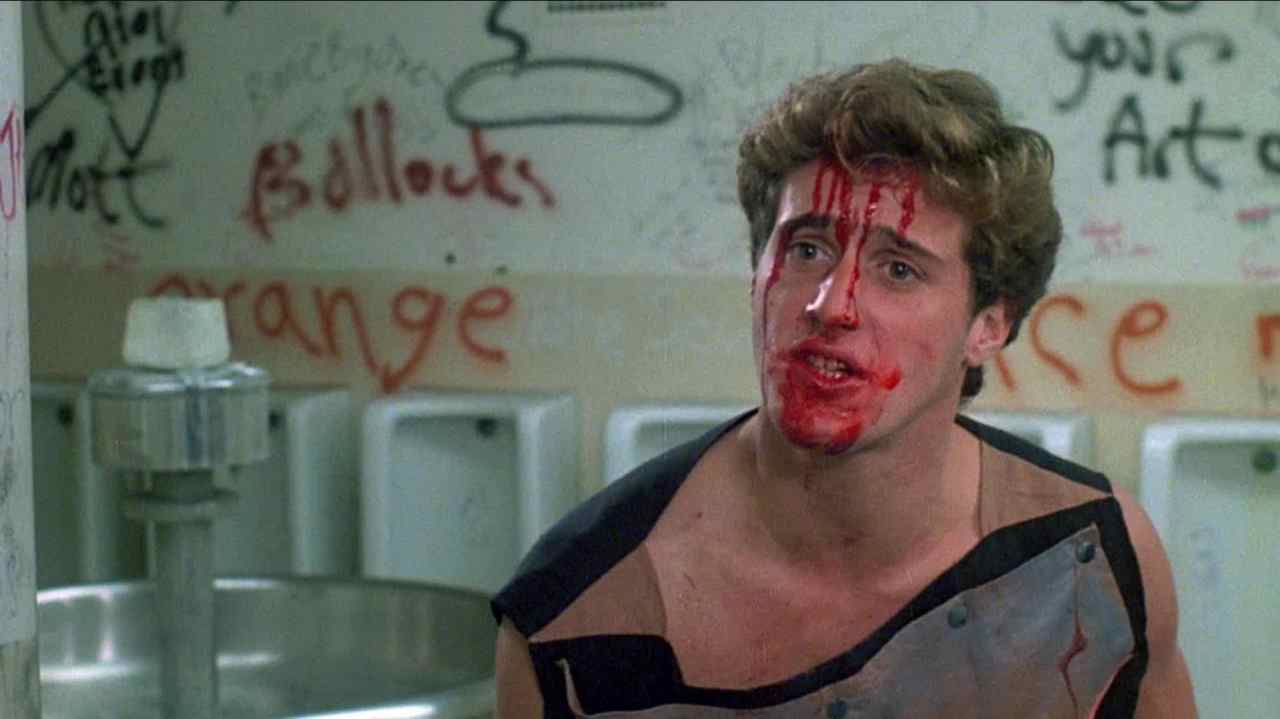
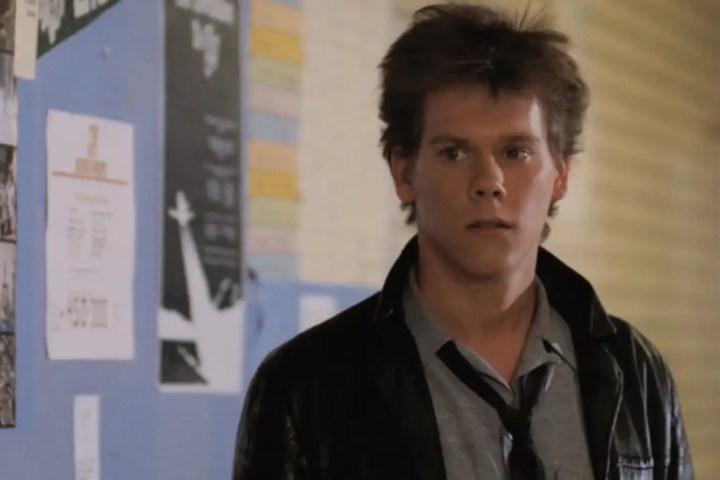
Mark L. Lester’s cult classic may have bombed on release, but it has since garnered far more attention. However, is Class of 1984 a thriller? Teensploitation? Horror? Or a dystopian drama? It’s all of these which may be why Lester’s film struggled to find an audience on release.
Class of 1984 highlights and exploits the social fears of its time with such pin-sharp precision that it transcends the labels of any one genre. Here, crime, rebellion, gang violence, drugs, and inequality are thrown into a blender in a movie that attempts to play in the same league as Over the Edge (1979), The Blackboard Jungle (1955), and Kubrick’s dystopian classic A Clockwork Orange (1971).
The result is a strange blend of punk and horror that scrambles your brain. It could be argued that Class of 1984 predicted the more polarised and violent society we now inhabit, one where adults and police often feel powerless to challenge young people. This is a society where security officers guard teachers, metal detectors protect school entrances, and the fear of false allegations haunts careers.
However, while many aspects of Class of 1984 feel close to home, the film’s overarching dystopian atmosphere has thankfully not come to pass. However, while this punk classic may seem like a relic of a bygone era, it still retains a sharp edge, one that has inspired a range of movies, from Repo Man (1984) to Dangerous Minds (1995).
The Crypt – the home of classic horror movies
WHO CAN KILL A CHILD (1976)
By Neil Baker
British couple Tom (Lewis Fiander) and his pregnant wife Evelyn (Prunella Ransome) have just arrived in Spain for a relaxing holiday before their new baby enters the world. However, when their arrival in a small coastal town coincides with Mardi Gras celebrations, they quickly leave the heaving streets for the remote island of Almanzora, a small, quaint and secluded community Tom has visited once before.
As they arrive in their small rented boat, they are welcomed by a group of pre-teen boys playing in the water. But as they venture into town, the narrow streets are as quiet as the grave, and the adults appear to be missing. Thinking they must have arrived during a holiday or religious event, Tom and Evelyn head to the local hotel, but all they find is an eerie and uncomfortable silence as the distant patter of children’s feet echoes outside.
Narciso Ibáñez Serrador’s sun-drenched horror never feels the need to explain why corrupt and violent children stalk the streets of Almanzora, hunting the last remaining adults. For Tom and Evelyn, their only escape will defy their shared morals; after all, Who Can Kill a Child? Serrador leaves us with this question as he places Tom and Evelyn in a nightmare maze of moral dilemmas versus survival.
SALEM’S LOT (1979)
By Neil Baker
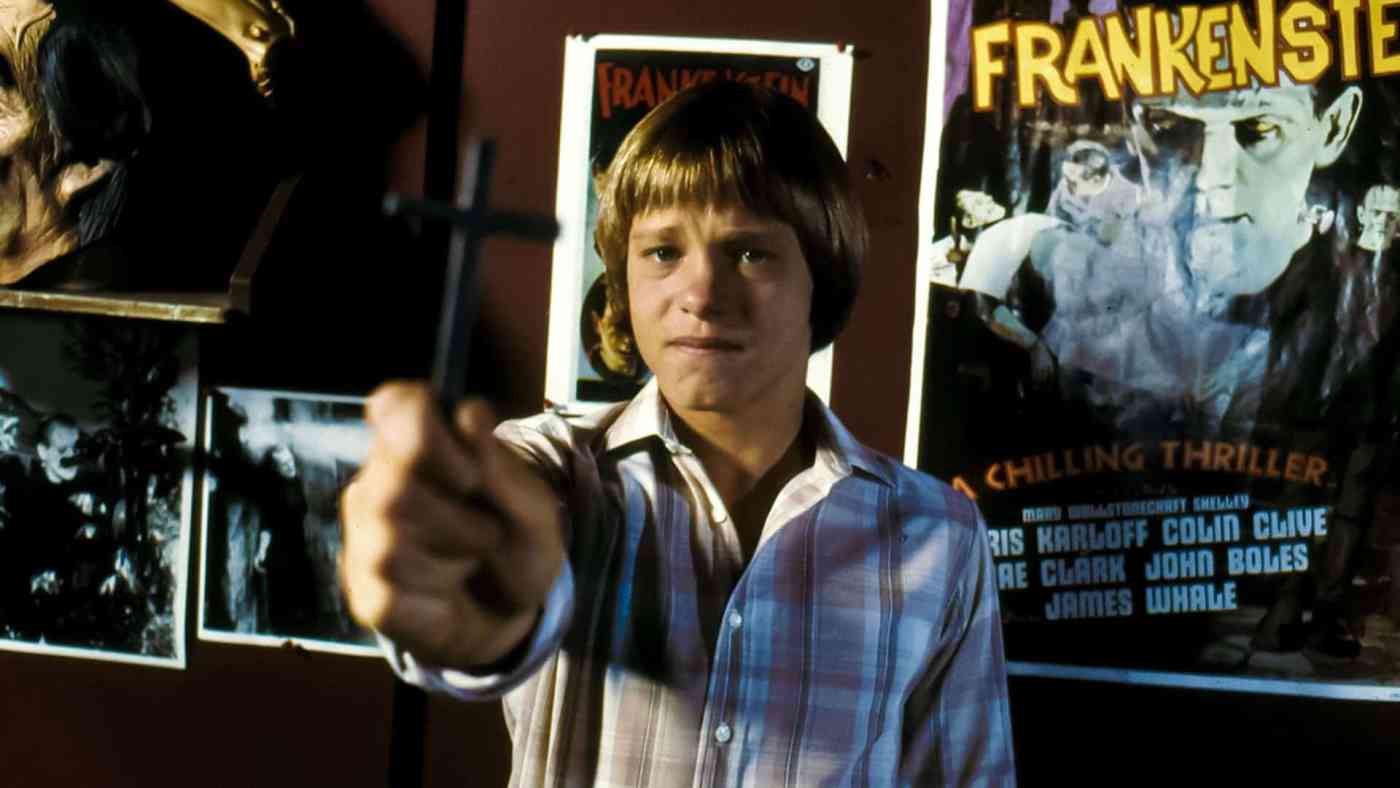
Based on Stephen King’s 1975 novel of the same name, Tobe Hooper’s 1979 miniseries created an immersive and ominous TV experience that helped reshape horror on the small screen. Salem’s Lot would prove that TV horror could rival cinema, introducing audiences to a seemingly quiet, idyllic town hiding a deadly secret.
Hooper’s understated direction skillfully plays with darkness and light throughout, as the town transforms into a terrifying landscape of death and murder as the sun goes down each day. But the absolute horror comes from the floating vampiric child scraping at a closed window as mist floats around them. These scenes would fuel the nightmares of a whole generation, including me, and make Salem’s Lot a TV experience like no other.
With a stunning ensemble cast led by David Soul, James Mason, and Lance Kerwin, Salem’s Lot not only scared the hell out of a whole generation but also paved the way for a bold new form of TV horror that would give birth to IT (1990), American Horror Story and more.
GOODNIGHT MOMMY (2014)
By Neil Baker
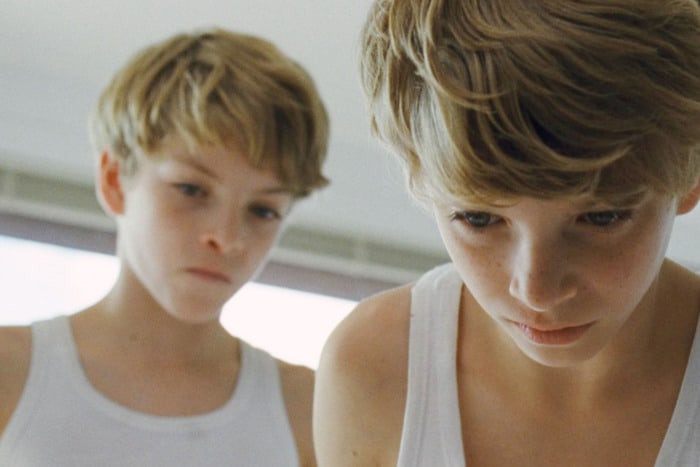
Once seen, never forgotten, the Austrian masterpiece Goodnight Mommy sees directors Severin Fiala and Veronika Franzyou take us on a deep, dark journey into a pit of pure psychological and physical horror.
This terrifying descent involves Elias and Lukas, two nine-year-old twins living in a sprawling, secluded house in the Austrian countryside. When their mother (Susanne Wuest) returns home following extensive plastic surgery, both boys find their sense of security turned upside down, as their mother’s face is wrapped in bandages, with only her eyes and mouth visible. But even more unnerving is the change in her behaviour. The boys escape their fears by playing in the surrounding Austrian countryside. But soon, Elias and Lukas begin to discuss whether the woman who now lives in their home is really their mother at all.
Martin Gschlacht’s stunning cinematography creates a sterile, haunting atmosphere as Severin Fiala and Veronika Franzyou slowly ratchet up the tension, making you wriggle in your seat as the horror unfolds. Goodnight Mommy thrives on a devilishly complex web of emotions that challenges the foundations of our empathy and compassion, culminating in one of the most heartbreaking horror finales in movie history.
FRIGHT NIGHT (1985)
By Neil Baker
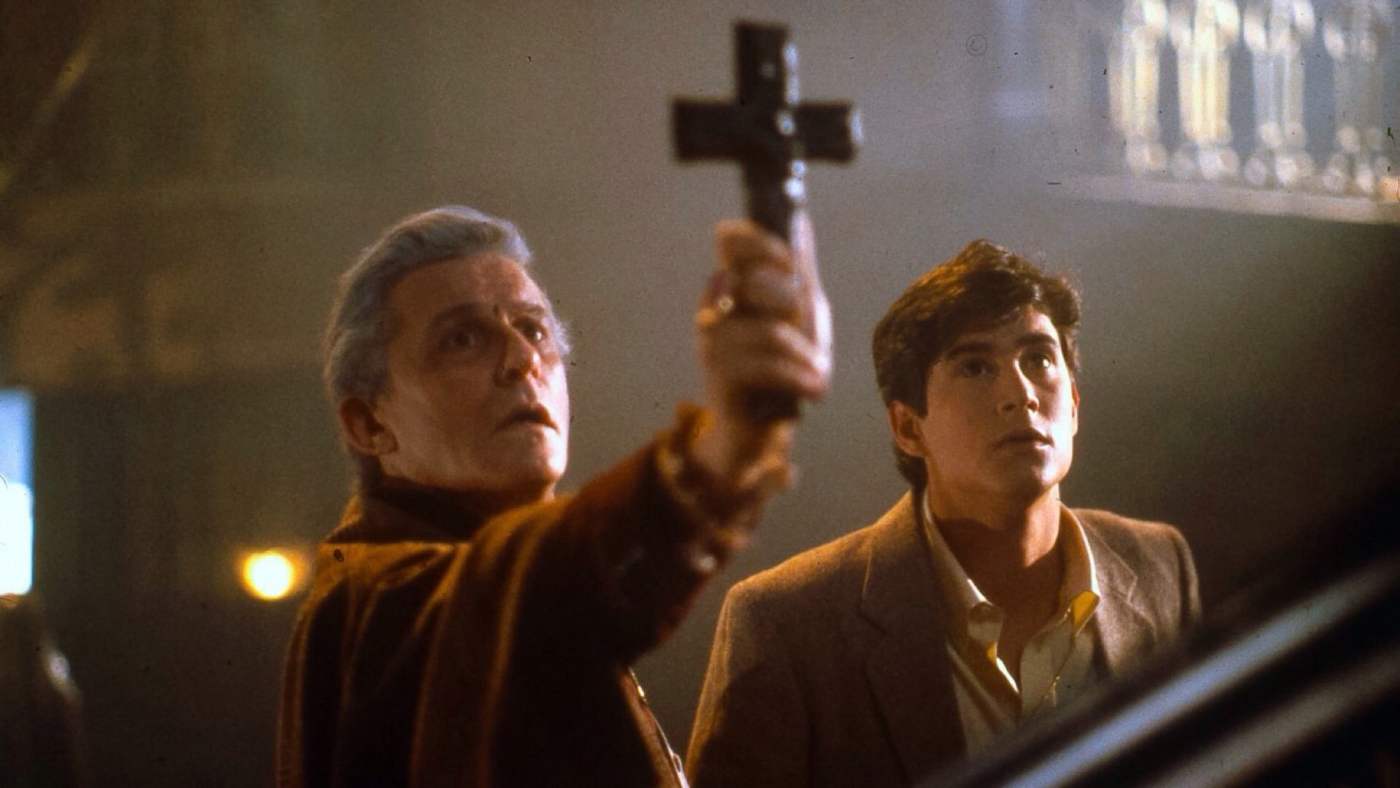
Let’s get one thing out of the way before proceeding: Tom Holland’s Fright Night is a proudly queer horror comedy. While many pointed to Fright Night’s successful fusion of B-movie horror and comedy upon its release, as in A Nightmare on Elm Street 2: Freddy’s Revenge, few initially discussed its gay subtext.
Charley Brewster (William Ragsdale) is a confessed horror nut convinced that his new neighbour, Jerry Dandrige, is a vampire. As Charley attempts to expose Jerry’s true identity, he seeks help from a washed-up horror movie actor, Peter Vincent (Roddy McDowall), whose expertise on vampires comes solely from his B-movie roles.
Jerry and his manservant and friend dabble in antiques and have a relationship that hints at being more than a master-and-servant one. But to add to this, Charley is clearly quite taken with them both, to the extent that his girlfriend is quickly dumped as he spies on them. Fright Night is proudly queer from the get-go, as Charlie battles with his own feelings while attempting to ‘out’ his neighbours. Holland’s movie is a shining example of expertly crafted horror and humour, and a forerunner of Joel Schumacher’s The Lost Boys. Its clever writing, impressive practical effects, and standout performances have made it a cult classic that continues to find new audiences over 30 years later.








Follow Us