
Page 6 – Box Set Binge – a smorgasbord of binge-worthy TV and streaming treats
THE MORECAMBE AND WISE SHOW

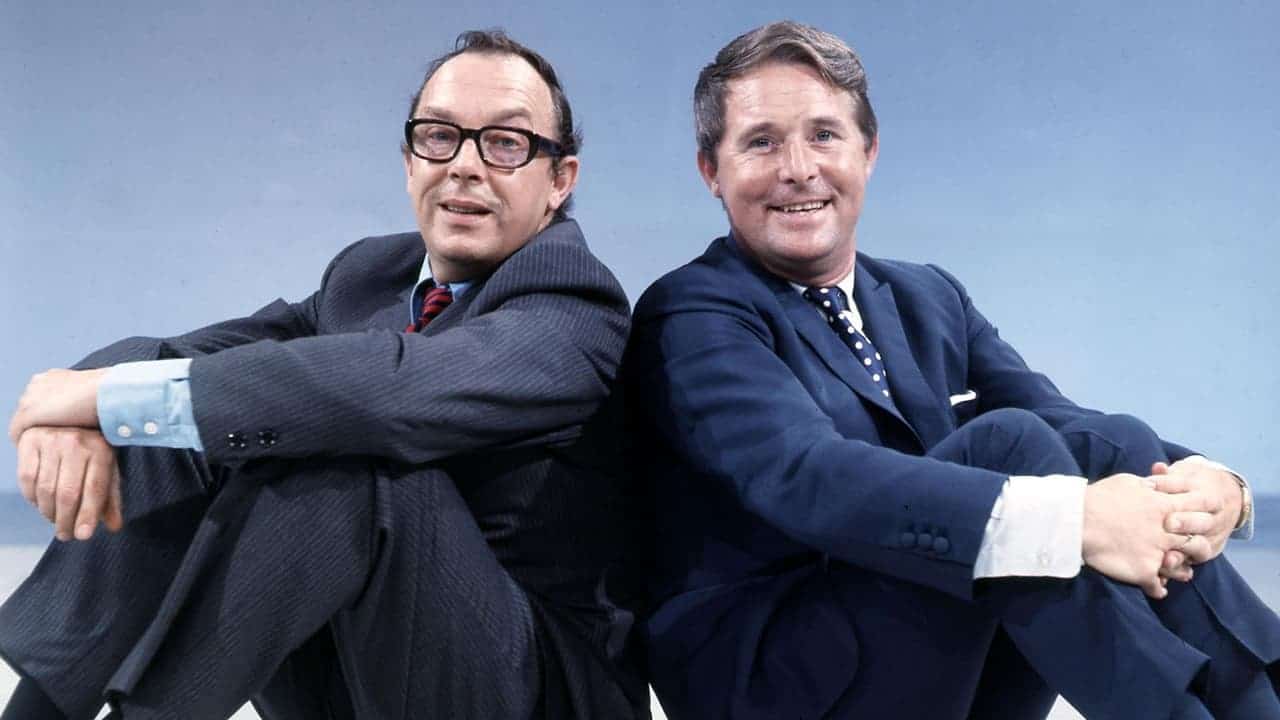
The 1970s were the glory days of light entertainment on the BBC, and one double act sat at the top of the light entertainment tree: Morecambe and Wise. Darlings of the Beeb from 1968 to 1977, they returned to ITV for a brief stint in 1978, but the BBC was their true home. Combining comedy sketches with classic variety performances and special guests. The Morecambe and Wise show soon became a ratings hit, introducing trademark songs to the duo’s repertoire, including “Bring Me Sunshine,” written by Arthur Kent, and “We Get Along So Easily (Don’t You Agree?).”
Of course, many now remember the festive shows that became the stuff of legend as BBC TV Centre became the centre of our Christmas Day viewing. At the top of these was the fabulous, funny and utterly brilliant 1971 special where Eric and Ernie are joined by Shirley Bassey, Los Zafiros, and Glenda Jackson in a tinsel-adorned treat, with their sketch alongside André Previn the stuff of legend. A double act like no other, the comic timing of Morecambe and Wise is legendary, and their act feels as fresh today as it did over forty years ago, so why not delve into their shows (including some thought-lost but recently discovered treats) and let Eric and Ernie bring you sunshine?
THE LEAGUE OF GENTLEMEN

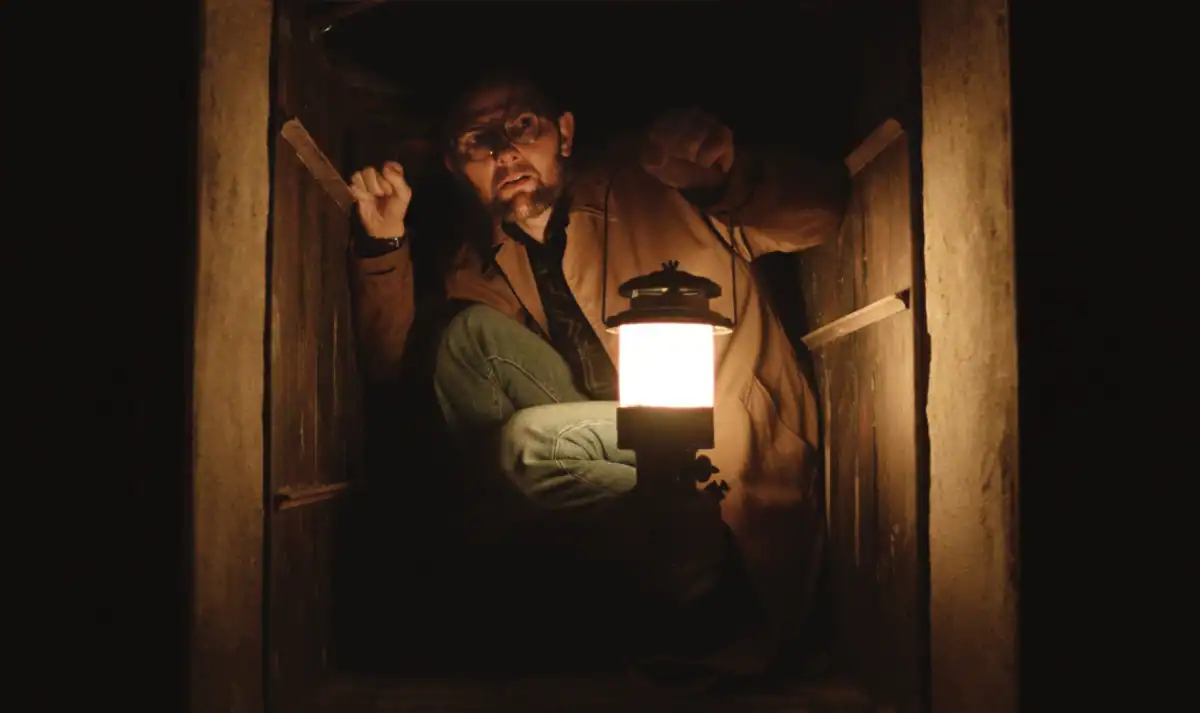
The League of Gentlemen took gothic-inspired horror comedy to new heights with its 1999 premiere, giving birth to a set of characters that would become nothing short of iconic. Set in the fictional town of Royston Vasey, a town for local people, Reece Shearsmith, Steve Pemberton, Mark Gatiss, and Jeremy Dyson’s deliciously dark comedy-horror show would draw inspiration from the writers’ own lived experiences of small town and village life, while adding layers of perfectly formed gothic horror. The result was a show that skirted the very boundaries of what was viewed as acceptable on TV in the late 90s and early millennium, while bringing us divinely dark characters from Papa Lazarou to Tubbs and Edward Tattsyrup. But even for a show this darkly delicious, nobody sitting in front of their TV on the 27th of December 2000 could have anticipated just how bold and brilliant the show’s only festive outing would be. Yule Never Leave is Pemberton, Gatiss, Shearsmith and Dyson off the leash as we visit a vindictive vicar, a downtrodden wife, and a potential gay vampire who feeds on choir boys. The League of Gentlemen’s three-series run is the stuff of legend, and it continues to enthral, shock and delight today with a timelessness only the best comedy-horrors hold.
MR ROBOT


TV dramas that manage to captivate and enthral their audience within the first episode are rare, but that is precisely what Mr Robot achieves. Owing much to Fight Club in style and tone, Mr Robot would lace its homage with bold discussions on modern media, mental health and technology.
The result was a dystopian thriller that reflected the absurdities and dangers of 21st-century life. Here, we watch as the demons of capitalism unfurl through the eyes of a lead character, Elliot (Rami Malek), who is as mysterious as he is enthralling.
LINE OF DUTY
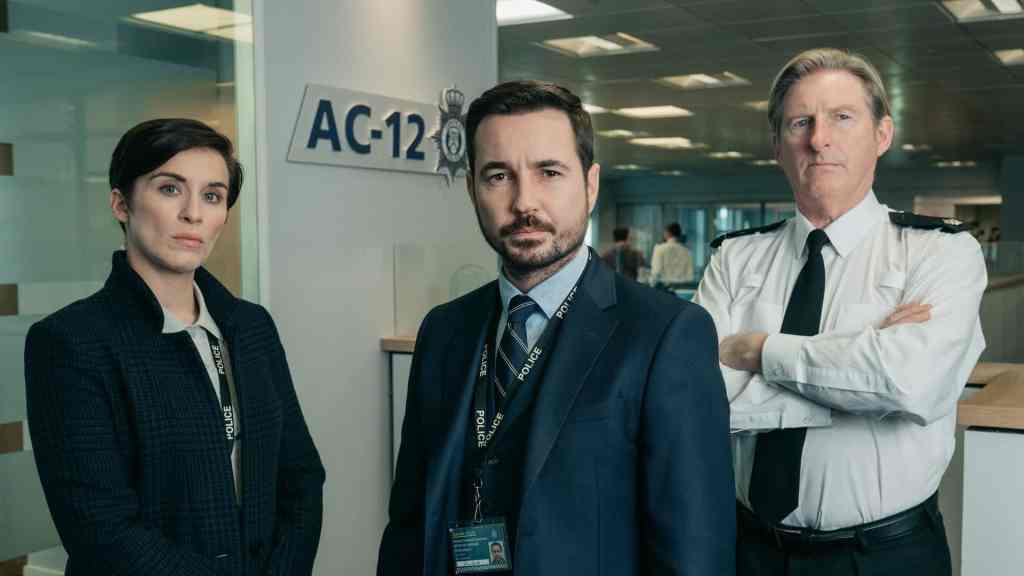
From the low-level crime of Dixon of Dock Green to the heat of The Bill and the bravery of Juliet Bravo, British police dramas have been a mainstay of evening entertainment for decades. However, few police dramas, with the exception of Prime Suspect, have had the cultural impact of Jed Mercurio’s Line of Duty.
Mercurio would reinvent the police drama for a new age by wrapping his audience in high-energy tales of deceit and corruption that, while unique in season structure, created a far larger web of corruption.
From the first episode to the last, Line of Duty grabbed its audience by the collar and didn’t let go, offering electric drama, intrigue and exquisite cliffhangers. It was appointment TV that demanded to be watched live, and millions heard its call.
THE FLASH

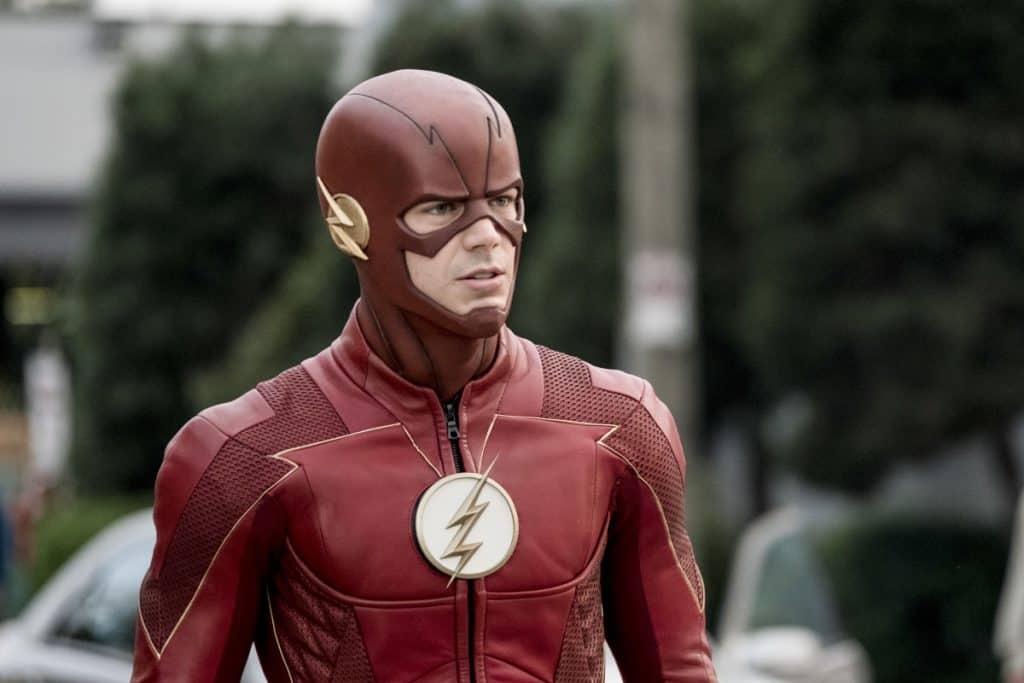
There was no shortage of DC outings following the success of Arrow in 2012, but none reached the heights of The Flash. Like Smallville, another fabulous DC show, The Flash should have hung up its boots five seasons in, but that doesn’t mean it isn’t one of the very best the CW has offered us.
The Flash remains the gold standard in modern DC Comics TV, aimed squarely at a family audience, as Grant Gustin became the definitive Barry Allen for a whole new generation. The Flash was a hero we could believe in, and a show that captured the bygone energy and charm of classics like The Incredible Hulk and Wonder Woman.
BEING HUMAN
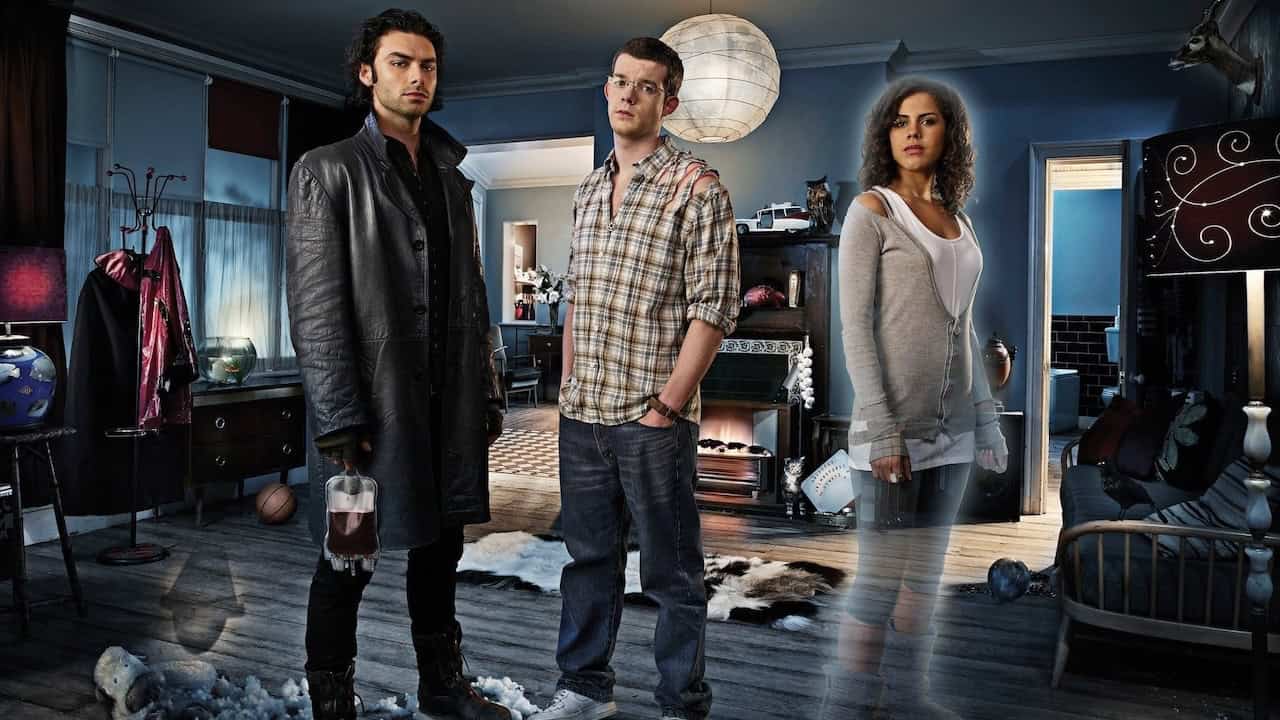
Long before we sank our teeth into the divine TV adaptation of Interview with the Vampire, the equally fabulous Being Human had us enthralled with its twisty, funny, emotional and damn right beautiful tale of a vampire, a ghost and a werewolf trying to navigate the human world from a shared house in Bristol.
Toby Whithouse’s supernatural comedy/horror placed BBC Three on the map with a cast including the fabulous Aidan Turner, Lenora Crichlow, Russell Tovey, Jason Watkins, Michael Socha, Sinéad Keenan, Annabel Scholey and Damien Molony, to name just a few.
Running for five deliciously dark, fun, and always engaging seasons, Being Human remains one of the best shows to have come from BBC Three.
Box Set Binge – a smorgasbord of binge-worthy TV and streaming treats
GREAT EXPECTATIONS
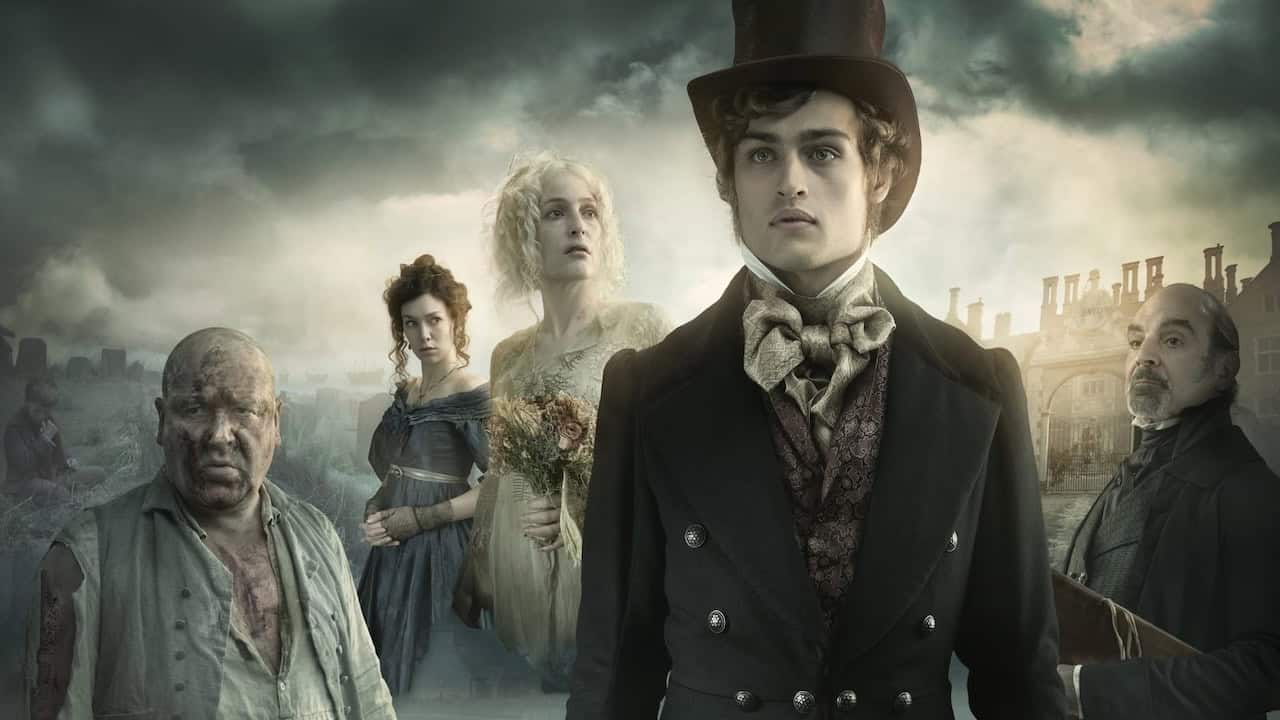
Great Expectations may be one of Dickens’ bleakest novels, almost verging on horror as fates collide, class conflict clouds hope, and manipulation and deceit hide around every corner. Brian Kirk’s 2011 adaptation, written by Sarah Phelps, captures the atmosphere of Dickens’ story in exquisite detail as we follow Pip (Oscar Kennedy/Douglas Booth) from his childhood to his twenties.
Given the darkness of Dickens’ story, you may wonder why Great Expectations should be on your BBC iPlayer watchlist. The answer is simple: Great Expectations is about the complexity of love, its unspoken dimensions, and how easily it can become toxic.
From Joe’s (Shaun Dooley) love and protection of Pip to Miss Havisham’s (Gillian Anderson) twisted love for Estella (Izzy Meikle-Small/Vanessa Kirby) and Pip’s unrequited love, Great Expectations is a story about the fragility of love in an ocean of manipulation, lies and class conflict.
RIPLEY

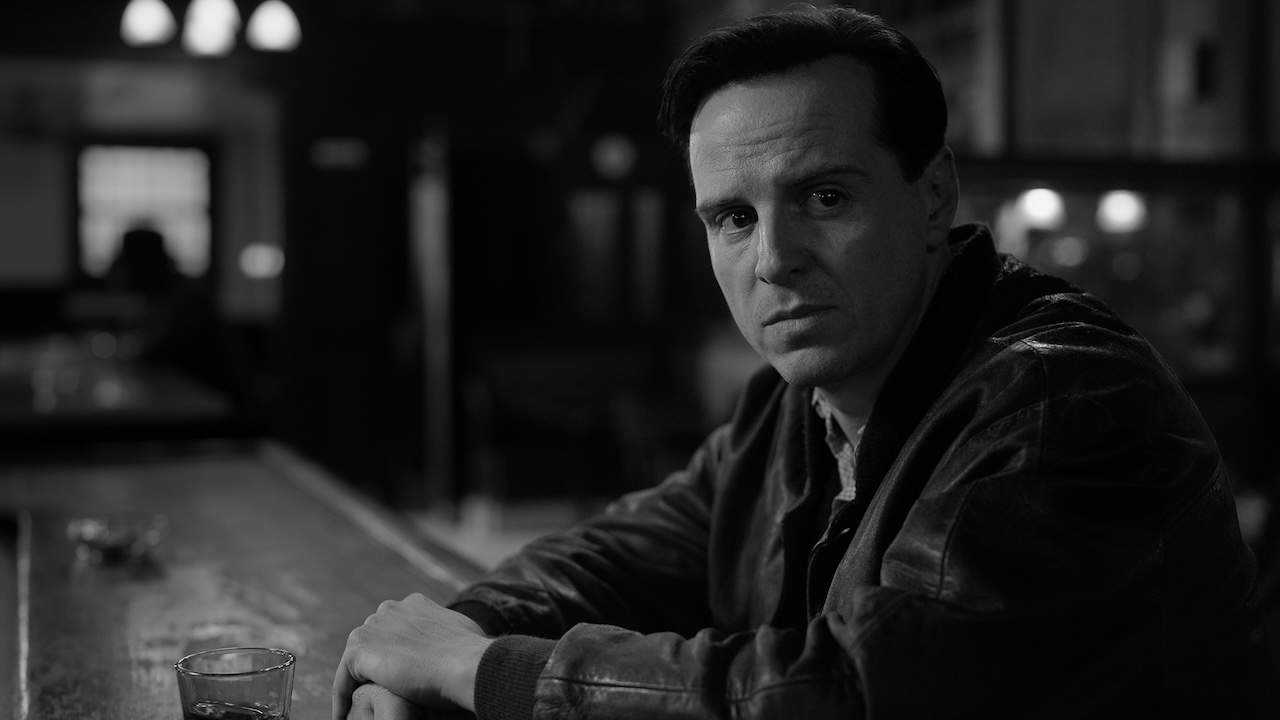
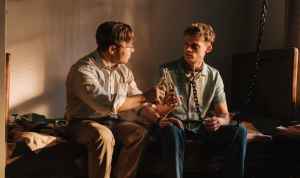
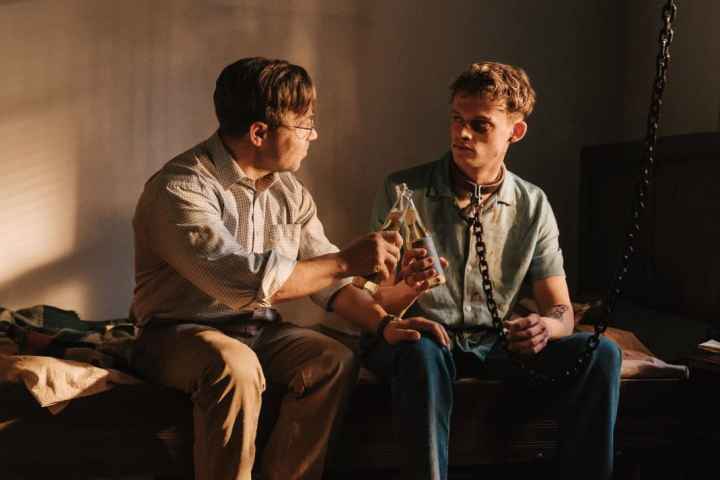
Those familiar with the book and Minghella’s adaptation will know what to expect from the plot; therefore, delivering the story in a new and fresh way was always going to be a challenge. But Zaillian pulls it off by turning Highsmith’s story into a gloriously lit 1930s-inspired film noir, where Scott’s Ripley is our queer homme fatale. Here, the cinematography of Robert Elswit is genuinely something to behold, as each scene is drenched in sumptuous chiaroscuro lighting from the streets of Manhattan to the splendour of Rome and the winding alleyways of Capri and Atrani.
Like the best noirs, malice, mistrust, paranoia, and manipulation seep into every glorious scene, further enhanced by Jeff Russo’s fantastic score. At the same time, Scott’s calculating yet quiet performance sends shivers down the spine as his opportunistic Ripley enacts his haphazard and deadly plan.
However, there are also problems, and the most significant of these is the coldness of Scott’s character and the strange decision not to further build on the homoeroticism of Minghella’s movie when offering us a clearly queer homme fatale. Age is also a barrier; after all, Ripley was twenty-five in Highsmith’s first book, a mere trainee sociopath, one could say, whereas Scott is clearly older and far more experienced. But for all its flaws, Ripley is a deliciously dark slice of modern noir that is as addictive as it is beautiful.
OZ


OZ was the opening chapter in long-form drama at HBO, and like any good book, it was a chapter that left you desperate for more. Many will argue that OZ set the template for modern TV drama and invented many of the patterns and beats we are now accustomed to in binge-worthy TV. Less discussed is OZ’s revolutionary role in LGBTQ+ representation.
Oswald State Penitentiary wasn’t afraid of showing us male nudity, gay sex and homophobic violence; its narrative was laced with grit, social commentary, and unflinching drama from the first episode. And while bathed in stereotypes we now largely reject, OZ would bring gay sex and love into the living rooms of a new generation and chip away at the 80s and early 90s barriers of censorship.
GLEE

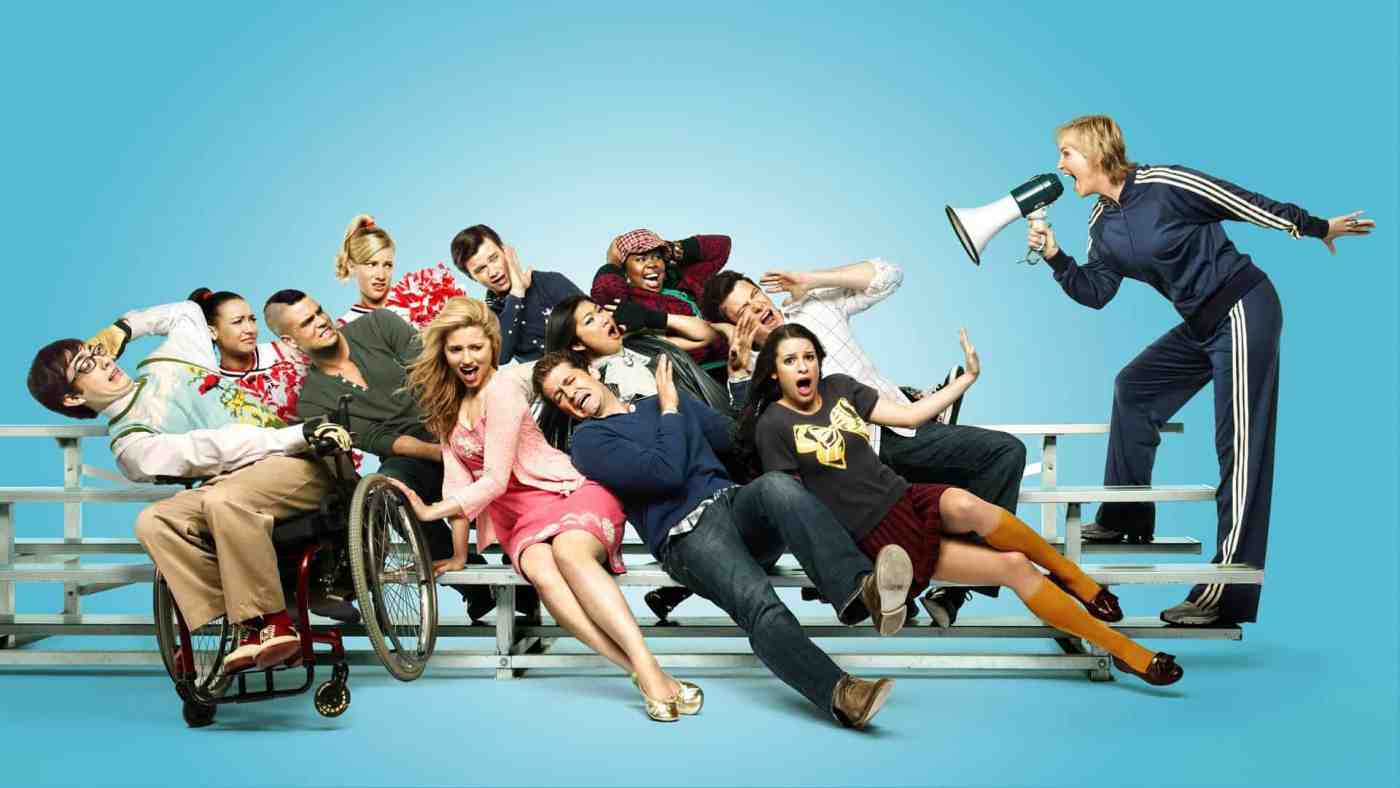
When discussing Ryan Murphy’s Glee today, conversations often and understandably turn to the events off-screen, from Cory Monteith’s drug overdose at age 31 in 2015 to Mark Salling’s conviction for child pornography and subsequent suicide.
We must not dismiss these dark events, but it is equally essential to reflect on and celebrate Glee’s social impact on a whole generation of young LGBTQ+ people. Glee rarely gets the credit it deserves for its influence on mainstream music or its ability to place kids who had been ignored for years centre stage.
For a whole generation of kids, whether gay, bisexual or straight, Glee made it cool to be different, trendy to be musical and damn right sexy to sing. For many LGBTQ+ young people, it was the first time they saw a loving gay relationship on screen and the first time they saw themselves reflected positively. Glee took the High School Musical phenomenon and painted it in rainbow colours; there’s no doubt in my mind that William McKinley High School changed TV forever.
Box Set Binge – a smorgasbord of binge-worthy TV and streaming treats
CARÊME


France was a divided country, plagued by internal conflicts and political treachery, which haunted its future following the French Revolution and the rise of Napoleon. France may have decided to dispatch its royal family in the name of liberty, but the plan wasn’t to end up with an emperor after they executed King Louis XVI. From 1793 to the early 1800s, France was a country simmering on a hot plate with no off switch, caught between the past, present and an uncertain future.
During this period of turmoil, France would give us the first-ever celebrity chef, Marie-Antoine Carême, a young man who rose from humble beginnings to become a legend who would open the door for chefs like Jules Gouffé, Urbain Dubois, and, later, Auguste Escoffier. Yet this ground-breaking chef, known as the “King of Chefs and the Chef of Kings”, is rarely mentioned outside the culinary world, let alone celebrated, until now.
From Benjamin Voisin’s energetic, dramatic and cheeky Marie-Antoine to Jérémie Renier’s conniving diplomat and Alice Da Luz’s caring, visionary and ever-so-slightly love-torn Agathe, Carême is a delight that becomes more and more tasty with each episode. Highlights include a powerful, dramatic exploration of a diminished royal family in exile in episode four and an early-1800s version of MasterChef: The Professionals in episode five. There’s so much to love in this exquisitely crafted TV drama that I can only hope Carême finds the audience it so richly deserves, and we are eventually served up seconds.
HOLLYWOOD
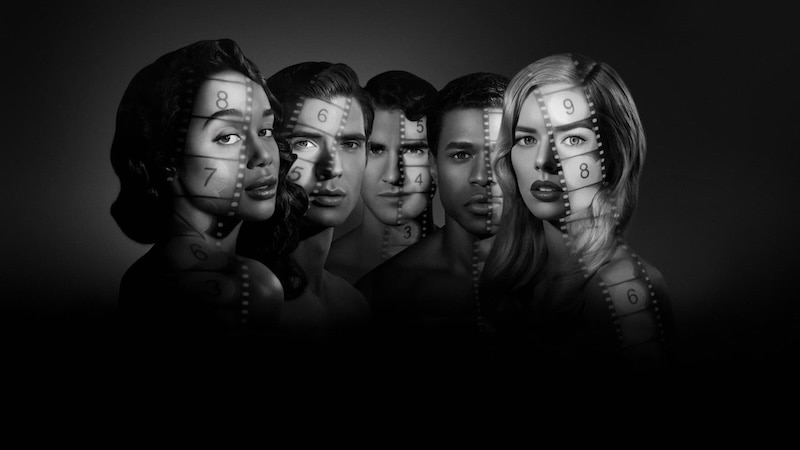
There is always a risk in merging fantasy with reality as the audience attempts to navigate and unpick the truth from a series of ideas and concepts. However, in Hollywood, Ryan Murphy pulls off this mix of fantasy and history to great effect as he carves up the institutionalised discrimination at the heart of Hollywood’s golden age with a “what could have been” story.
The 1940s studio system is placed front and centre as we explore the emerging careers of bright young actors and filmmakers trying to break into the industry following the end of World War II. Murphy places fictional characters, such as Darren Criss’ director Raymond Ainsley and David Corenswet’s actor Jack Costello, alongside a range of characters based squarely on real-life icons of the time, including Rock Hudson and Hattie McDaniel.
Hollywood presents us with a nuanced portrait of the creative drive and talent of those who often hid their true selves to achieve success in the industry.
GENTLEMEN JACK
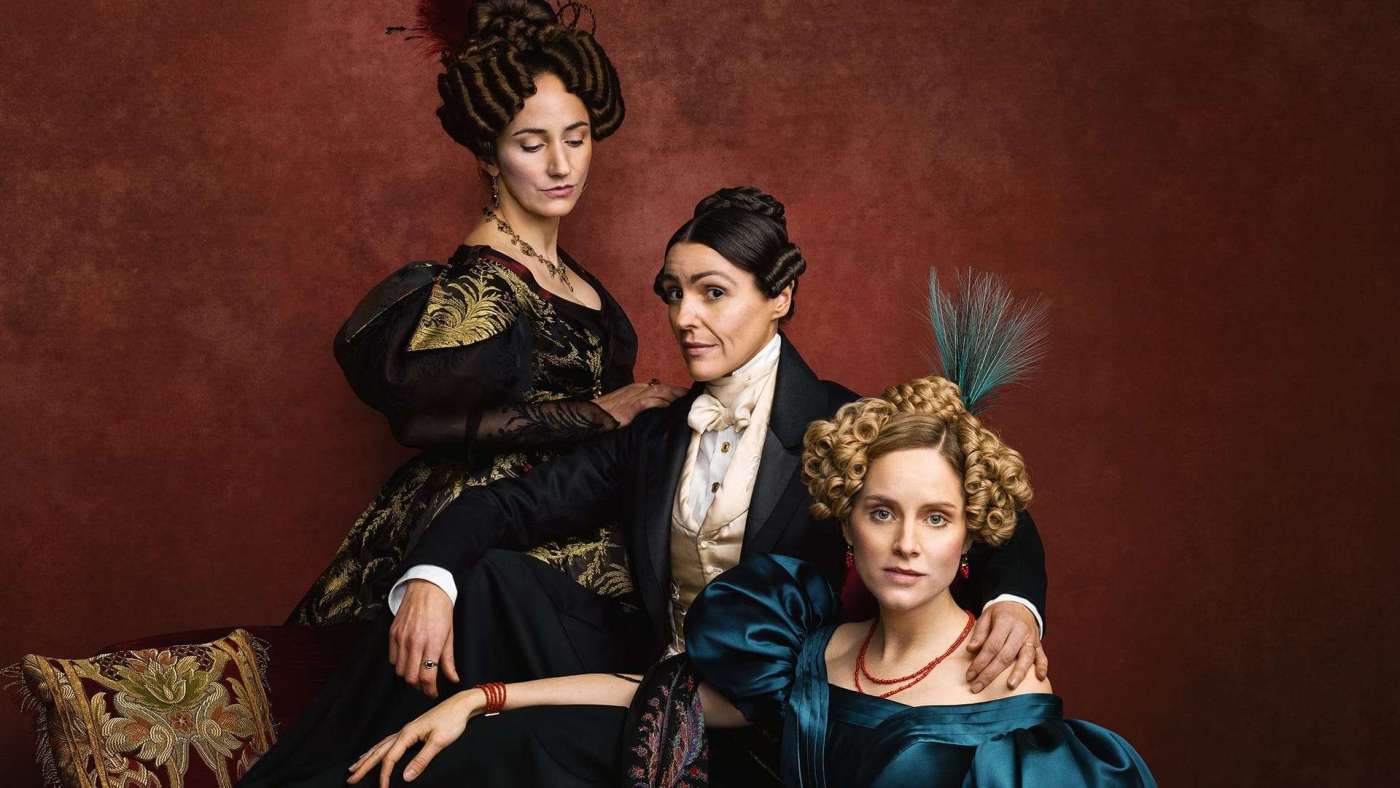
Created by Sally Wainwright (Happy Valley), it took a long time to bring Gentleman Jack to the screen. Set in Halifax, West Yorkshire, in 1832, Suranne Jones’ sublime portrayal of Miss Anne Lister, a diarist who is often called “the first modern Lesbian”, is not only utterly captivating but also incredibly fun.
With an ensemble that includes Sophie Rundle, Joe Armstrong, and Gemma Whelan, Gentleman Jack is a 19th-century delight and a beautiful exploration of lesbian love and social oppression at the height of the Industrial Revolution.
YOUNG ROYALS
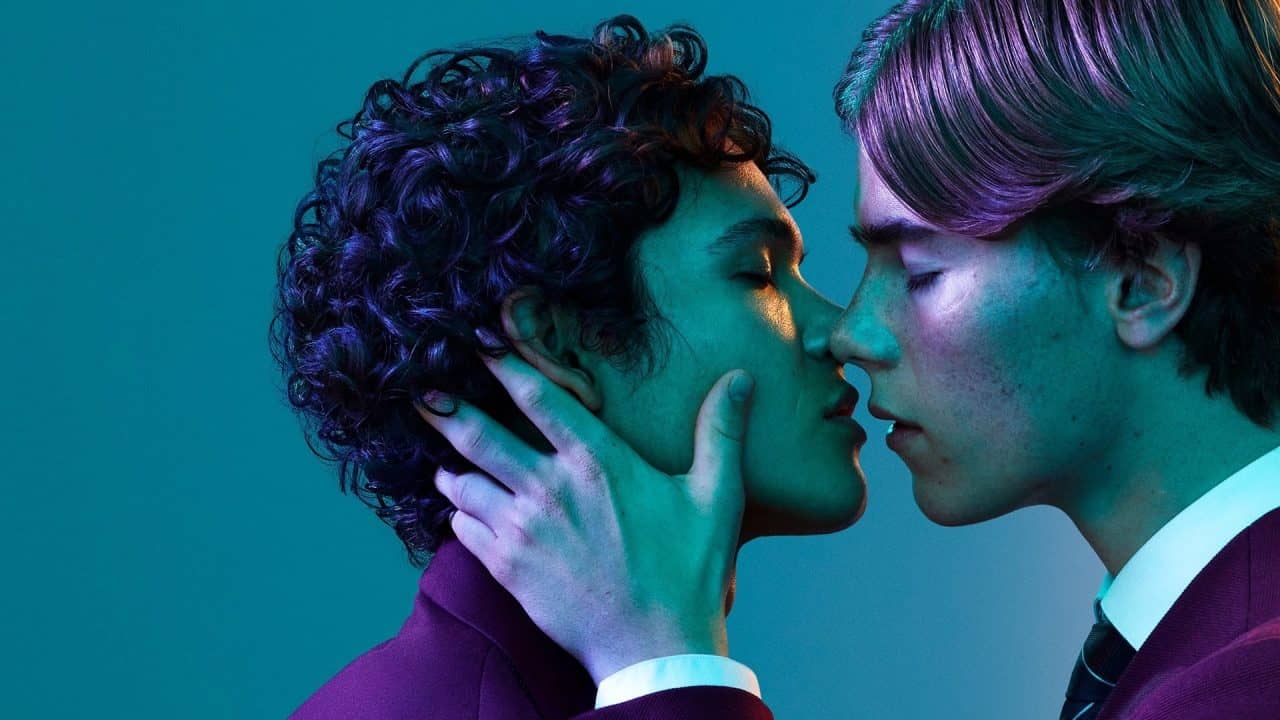
Long before Red, White & Royal Blue graced our screens, Young Royals was to explore first love through the eyes of Prince Wilhelm, who had just arrived at a prestigious Swedish boarding school called Hillerska.
Far from the day-to-day pressures and media interest in royal life, Wilhelm’s only wish was to avoid the spotlight. But it’s not long before he meets gay scholarship student Simon, a non-boarder who doesn’t fit the image the other boys hold onto at any cost. But their connection is far more than a friendship, as Wilhelm and Simon tentatively touch hands in the dark and gaze into each other’s eyes when nobody is looking. However, love is never straightforward when you are a part of the royal bloodline, and gay love is even more complicated.
Over three seasons on Netflix, Young Royals has captured the imagination and hearts of a whole generation of kids, proving that queer stories about young love are now mainstream.








Follow Us