

Stakes at the ready, as Bloodlust brings you 20 bloody and brilliant vampire movies and shows.
1. DRACULA (1958)

Hammer’s The Curse of Frankenstein may have fired the starting gun on a new era of vibrant British horror, but Terrance Fisher’s Dracula (1958) gave birth to a new Hammer horror empire. Within the first few scenes, Terrance Fisher’s Dracula appears to be the quintessential representation of Bram Stoker’s legendary Count, born from earlier Universal pictures. But it wasn’t long before Hammer’s Dracula revealed its true intentions, reinventing Stoker’s character for a new audience.
Fisher allowed Christopher Lee to ditch the debonair vampire in favour of a more sexual and animalistic predator. Lee’s Count Dracula would become iconic, influencing multiple subsequent portrayals of the character as Fisher experimented with the horror genre’s links to sex and sexuality.
2. ONLY LOVERS LEFT ALIVE (2013)
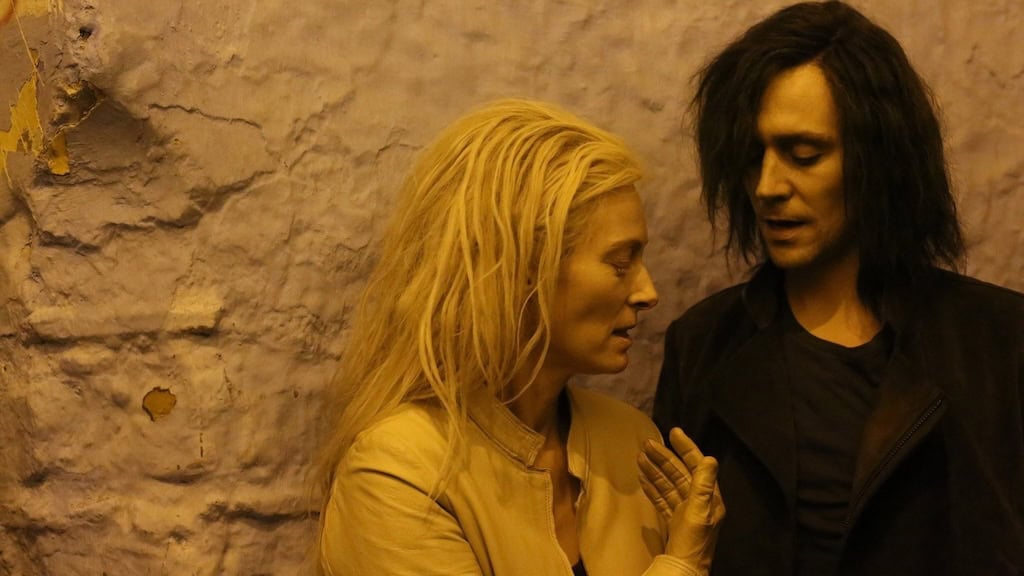
Romance, art, literature, and music sit at the heart of Jim Jarmusch’s 2013 masterpiece, a divine journey into vampire folklore. Here we have a movie where the classic tropes of vampiric evil and abomination are thrown into the gutter, replaced by Jaramush’s lighthearted yet vivid exploration of eternal life and loneliness. In Jaramush’s world, the need for blood plays on the universal themes of drug addiction. Here, the quick hit of each last drop only elevates the artistic endeavours and curiosity of our ancient vampires, Adam (Tom Hiddleston) and Eve (Tilda Swinton), their lives a whirlwind of reminiscence as they debate the very foundations of the universe and the human zombies who plague its development.
Jarmusch delicately unpicks and celebrates the vampire’s romanticism, joyously lampooning Twilight’s soft glow while celebrating the work of authors such as Anne Rice. His fascination with art, physics, and nature sits centre stage in a film that dovetails biblical concepts of Eden with romance, humour, addiction, and music. The result is a unique trip through an intoxicating haze of magnetic sexuality, immortality, bloodlust and art.
Bloodlust Vampire Movies
3. LET THE RIGHT ONE IN (2008)

Based on the novel of the same name by John Ajvide Lindqvist, Let the Right One In is as close to a horror masterpiece as you can get, as it explores the link between vampire mythology and the classic coming-of-age story. Alfredson’s delicately layered narrative of first love is laced with discussions on loneliness, anger and teenage anxiety.
The vampire is a 12-year-old girl named Eli, who wasn’t assigned female at birth; her life is forever caught in the first throes of adolescence, transformation, and change until she meets young Oskar (also twelve) in Stockholm’s snowy suburbs. Oskar may not be trapped in his twelve-year-old body for all eternity like Eli, but he is a prisoner of local bullies, his life held in a bubble of fear and anxiety.
Let the Right One In offers a complex story of two lost souls who find a powerful sense of belonging in each other’s presence; one is a bullied, scared, and outcast human, and the other is an isolated, vulnerable young vampire.
Let the Right One In excels in its eerie, poetic portrait of teenage friendship, love, and protection as Eli and Oskar’s budding relationship is held within a false veil of security, slowly torn away by reality. The resulting film strips back the deepest fears of early adolescence while beautifully exploring notions of power, place, and belonging.
4. NOSFERATU (2024)
WORDS CALUM COOPER
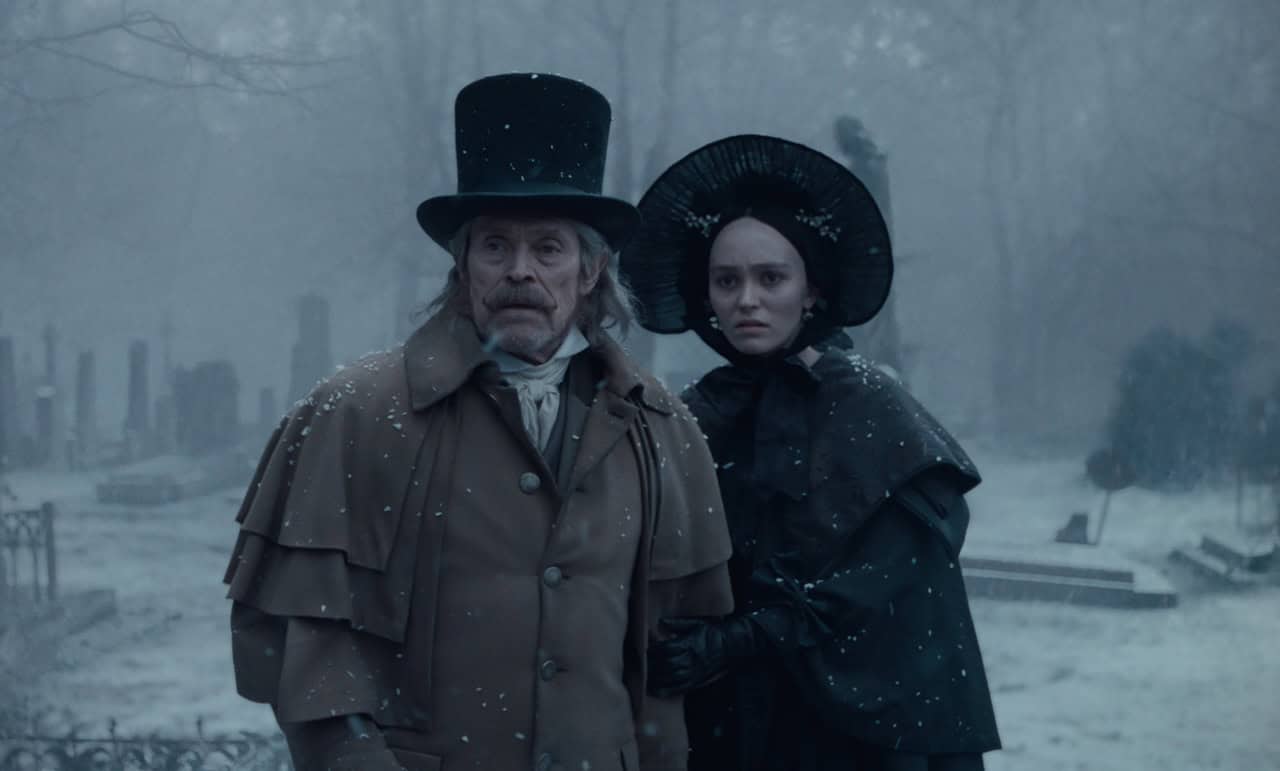
Horror movies have followed in the tenebrous footsteps of F.W. Murnau’s Nosferatu for over a hundred years. A 1922 German silent picture, this chilling adaptation of Bram Stoker’s Dracula effectively laid the groundwork for many of horror’s most recognisable trademarks, from gothic visuals to orchestral scores and creepy figures lurking in the dark. It’s a masterpiece of terror, making any and all attempts to remake it a daunting prospect.
Set in 1838 Germany, Thomas Hutter (Nicholas Hoult) is a recently married real estate agent whose wife, Ellen (Lily-Rose Depp), suffers from strange nightmares. Hutter is sent to sell the property of a count deep in the Carpathian Mountains, something Ellen pleads with him not to do. When Hutter arrives, even the intimidating locals fear the count and warn him not to go to his castle, something Hutter feels he must do due to the small fortune this job would bring him and Ellen.
Upon entering the castle, Hutter is met with the Count, Orlok (Bill Skarsgård). His slippery voice, bizarre habits and long fingers are immediately unsettling. Yet when it is revealed that Orlok is a vampire with a chilling psychic connection to Ellen, Hutter understands the gravity of his wife’s terror. Now, he must race back home, teaming up with various other colourful characters to prevent Orlok from stealing his wife, as Orlok’s lustful obsession over Ellen threatens to bring everything around him to ruin.
Eggers is so exciting as a horror filmmaker because he’s a master of atmosphere. His films employ uncanny visuals and sound to evoke a visceral, all-consuming sense of unease. Consider how The Witch utilised vast rural spaces to hint at insecurity, or the claustrophobic set pieces in The Lighthouse. With his remake of Nosferatu, Eggers capitalises on shadows, particularly colour, to heighten the perpetual dread that this scenario of an ancient, undead creature seeking a vulnerable woman, whatever the cost, would elicit. Penetrating sound design and a sense of scale that arguably wasn’t possible for the original 1922 version make this picture an immersive work, if not always bold.
Bloodlust Vampire Movies
5. THE VOURDALAK (2024)
Where did the vampire’s literary reign of terror begin? Many wrongly assume it was with Bram Stoker’s “Dracula” in 1897, but the vampire’s roots stretch back much further.
In 1816, John William Polidori’s “The Vampyre” took shape alongside Mary Shelley, Lord Byron, and Percy Shelley at a mansion near Lake Geneva, which would also give birth to “Frankenstein”. Polidori would fuse ancient vampire myths, poetry, and folklore with Romanticism and Gothic horror, giving birth to the modern vampire stories we enjoy today. Following this, in 1839, Aleksey Konstantinovich Tolstoy, second cousin of the famous Leo Tolstoy, published “La Famille du Vourdalak,” a chilling story about the Marquis d’Ufré, a young French diplomat stranded in a tiny Serbian village, in the company of a family harbouring a deadly secret.
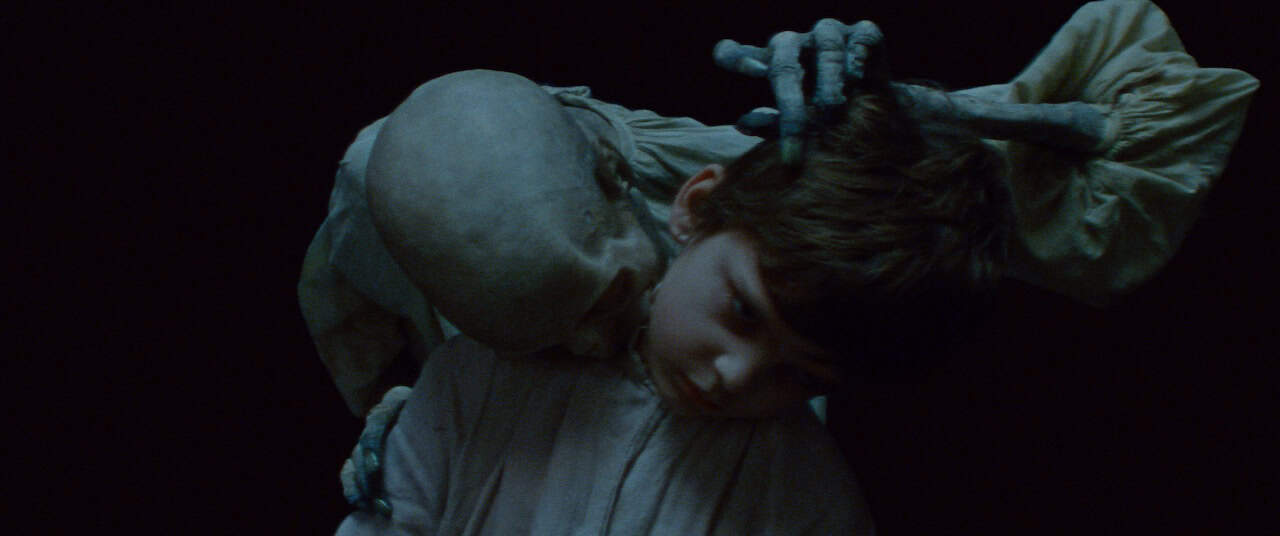
There is no doubt that both Polidori and Tolstoy inspired Stoker’s “Dracula”, yet while both Polidori and Tolstoy’s work remain popular among readers, it is Stoker’s Dracula who reigns supreme in film. It is, therefore, refreshing to see director Adrien Beau bring Tolstoy’s 1839 story to life in the darkly humorous, often delirious and delightfully old-fashioned gothic horror, The Vourdalak.
Tantalising, twisted and thrilling, The Vourdalak takes us back to a time when horror was shaped by atmosphere, imagination and story; its celluloid grain, physical effects and Gothic charm a much-needed tonic in a world of CGI and cheap jump scares. Beau’s film is a must-see tale of terror, an expertly crafted, directed, and performed trip back in time that celebrates the literary roots of the vampire.
6. VAMPIRE CIRCUS (1972)

Vampire Circus, directed by Robert Young, harks back to Hammer’s early roots in monster movies while also catering to an early 1970s audience. By taking the adage, “The sins of the father shall be visited on his children”, Vampire Circus is a horror that defies simple labels as it reframes many of the ideas held in Hammer’s early films for a 70s audience looking for something new. Hell, it even introduces a final boy in the form of John Moulder-Brown (Deep End). But it is the cinematography and style that make Vampire Circus one of Hammer’s best.
From mirror worlds to strangely seductive travellers, hallucinogenic colours and shape-shifting bats, Vampire Circus lives up to its name and lingers in the memory long after the credits have rolled.
20 Blood-Sucking Film and TV Vampires
7. MARTIN (1977)

In 1977, George A. Romero brought us a unique, bold, and distinctive vampire movie that faded from view for many years after its release, only to see the light of day again recently. Martin. From the outset, Romero dispenses with the classic tropes of the vampire movie as we meet the 19-year-old Martin on a train heading for Pennsylvania. As Martin walks the train corridors, Donald Rubinstein’s experimental jazz-inspired score emphasises his delicate looks, soft persona, and loneliness.
However, this lost, lonely, and insecure boy is a vampire, but not in the classic sense; he has a reflection, his teeth are not sharp, and the religious cross plays no significance in his well-being. Martin’s need for nourishment comes through carefully selected victims, each drugged before feeding in an urgent and often fumbled final struggle, his guilt coupled with a need to find intimacy in the arms of his victims.
Martin is a serial killer and predator with his compulsion to kill rooted in sex and desire in all but name. Martin’s vampire status is ambiguous —a blessing and a curse — as he struggles to define his place in society. Romero’s complex, enthralling and fascinating character study is rooted in handheld camera work, inner-city decline and documentary-like realism, making Martin a vampire film unlike any other.
8. ROSE: A LOVE STORY (2021)

Written by Matt Stokoe and directed by Jennifer Sheridan, Rose: A Love Story owes much to Trey Edward Shults’ 2017 film It Comes at Night, as it explores isolation, love, and protection through creeping, unnerving horror. Sheridan’s slow-burning horror never mentions the word ‘vampire,’ offering only fleeting glimpses of the trauma Rose and Matt endure daily at their secluded home deep in the woods of Northern England.
However, their peace and safety are about to be disrupted when an injured stranger arrives, and Rose and Sam find their lives suddenly scrutinised like never before. Rose: A Love Story never succumbs to the need for cheap jump scares, instead building tension slowly. Here, Stokoe and Sheridan are willing to keep the shocks, blood and terror for a terrifying and sad climax, as Rose and Matt’s love faces the horror of community persecution.
Bloodlust Vampire Movies
9. NOSFERATU (1922)

F.W. Murnau’s German Expressionist masterpiece, Nosferatu, gave birth to the vampire movie and continues to define the image of Bram Stoker’s Dracula 101 years after its release. While it may have been an unauthorised adaptation of Bram Stoker’s classic, Stoker clearly misunderstood the impact this film would have on his creation.
Released during a time of change in Germany, the economic and political instability following World War I found its way into the darkness of F.W. Murnau’s masterpiece, with its haunting cinematography and psychological exploration of fear perfectly capturing not only Stoker’s literary creation but also the turbulence at the heart of German politics. The result was a landmark in cinema and a pioneer of modern horror whose influence cannot be overstated.
Nosferatu transcends language through its silence, captivating and enthralling us as it sends a shiver down our spines. How many modern films will we praise in the same way in 101 years?
10. NEAR DARK (1987)
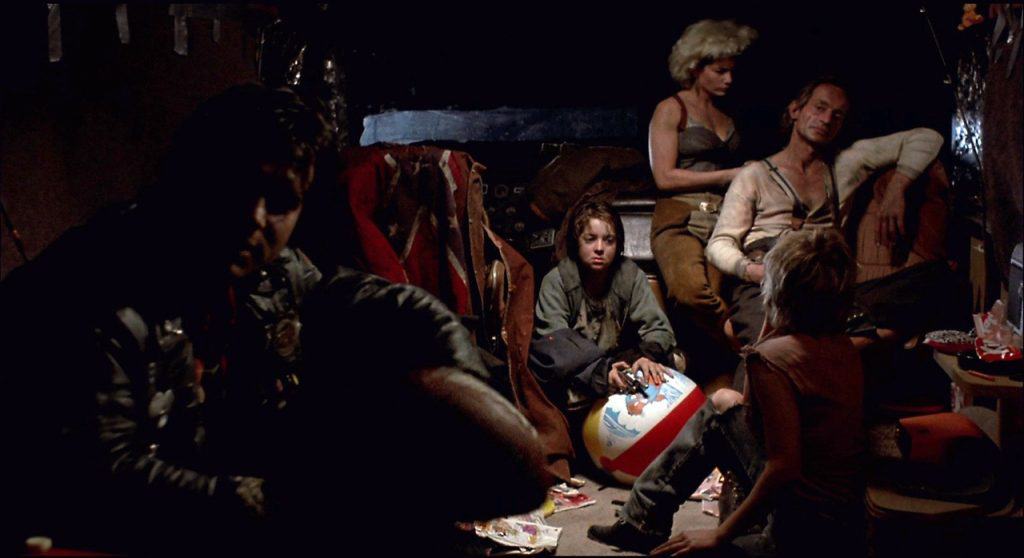
Near Dark may not have achieved commercial success upon its 1987 release, but it has since become a cult classic. Kathryn Bigelow’s 1987 vampire western would blend horror and romance with the classic road movie, creating a unique vampire film that gave birth to a whole new style of cinema. Beneath its vampiric horror, Near Dark explores themes of family, belonging, and personal identity as Caleb Colton becomes part of a nomadic vampire clan, his past human life colliding with his new existence.
Bigelow’s film shares many similarities with classic LGBTQ+ dramas, as it explores the importance of found family for those cast as outsiders. Much like The Lost Boys, Near Dark is a fascinating queer horror, despite never being labelled as such. Coupled with a score by ‘Tangerine Dream’, Bigelow’s nomadic vampire classic would inspire many films and TV shows, from First Blood to Bones and All. Like The Lost Boys, which was released the same year, it would reinvent the vampire and shift the vampire narrative towards something gritty, human, and bold.
Bloodlust Vampire Movies
11. THE LOST BOYS (1987)

The Lost Boys has long been celebrated as a brilliantly entertaining slice of 80s horror. The Lost Boys was the Top Gun of teenage horror in many ways: a feature-length music video featuring Gerard McMann, INXS, and Echo and the Bunnymen. But under the hood, Joel Schumacher and Richard Donner’s comic-book horror was an inspired, vampiric take on J.M. Barrie’s Peter Pan. The dark and mysterious (Kiefer Sutherland) and his band of bikers are the lost boys of Barrie’s story, but they are not led by an impish Peter Pan but by a vision of Hook called Max (Ed Herrman).
Within this macabre Pan-inspired fairground of choices and hormones, the new boys in town, Michael (Jason Patric) and his kid brother, Sam (Corey Haim), find themselves trapped in a playground of conformity, peer pressure, sexuality, and identity in this stunning Santa Carla-based horror.
12. SALEM’S LOT (1979)

Based on Stephen King’s 1975 novel of the same name, Tobe Hooper’s 1979 miniseries created an immersive and ominous TV experience that helped reshape horror on the small screen. Salem’s Lot would prove that TV horror could rival cinema, introducing audiences to a seemingly quiet, idyllic town hiding a deadly secret.
Hooper’s understated direction skillfully plays with darkness and light throughout, as the town transforms into a terrifying landscape of death and murder as the sun goes down each day. But the absolute horror comes from the floating vampiric child scraping at a closed window as mist floats around them. These scenes would fuel the nightmares of a whole generation, including me, and make Salem’s Lot a TV experience like no other.
With a stunning ensemble cast led by David Soul, James Mason, and Lance Kerwin, Salem’s Lot not only scared the hell out of a whole generation but also paved the way for a bold new form of TV horror that would give birth to IT (1990), American Horror Story and more.
Bloodlust Vampire Movies
13. FRIGHT NIGHT (1985)

Let’s get one thing out of the way before proceeding: Tom Holland’s Fright Night is a proudly queer horror comedy. While many pointed to Fright Night’s successful fusion of B-movie horror and comedy upon release, like A Nightmare on Elm Street 2: Freddy’s Revenge, few discussed its gay subtext.
Charley Brewster (William Ragsdale) is a confessed horror nut convinced that his new neighbour, Jerry Dandrige, is a vampire. As Charley attempts to expose Jerry’s true identity, he seeks help from a washed-up horror movie actor, Peter Vincent (Roddy McDowall), whose expertise on vampires comes solely from his B-movie roles.
Jerry and his manservant and friend dabble in antiques and have a relationship that hints at being more than a master-and-servant one. But to add to this, Charley is clearly quite taken with them both, to the extent that his girlfriend is quickly dumped as he spies on them. Fright Night is proudly queer from the get-go, as Charlie battles with his own feelings while attempting to ‘out’ his neighbours. Holland’s movie is a shining example of expertly crafted horror and humour, and a forerunner of Joel Schumacher’s The Lost Boys. Its clever writing, impressive practical effects, and standout performances have made it a cult classic that continues to find new audiences over 30 years later.
14. RENFIELD (2023)

WORDS CALUM COOPER
Renfield is as chaotically fun as a Nicolas Cage vampire movie sounds. Based on characters from Bram Stoker’s original novel, our focus is not on Dracula, who is delightfully played by Cage, but on Dracula’s assistant, Renfield (Nicholas Hoult). Having recently relocated himself and Dracula to New Orleans, Renfield is starting to regret his life choices as a lackey to the prince of darkness. During his stay, he meets police officer Rebecca Quincy (Awkwafina), who is investigating a city mob, and Renfield falls in love. At this point, the film becomes a whirlwind of cop drama, romance and horror comedy, all against the backdrop of Nicolas Cage sucking people’s blood.
While nothing spectacular, Renfield holds a lot of affection for its source material and is playful enough with its roots to stand on its own two feet comfortably. Funny, well-crafted, and deliciously entertaining, Renfield isn’t short of bite.
Bloodlust Vampire Movies
15. BOY #5 (2021)
Also known as BAD BLOOD
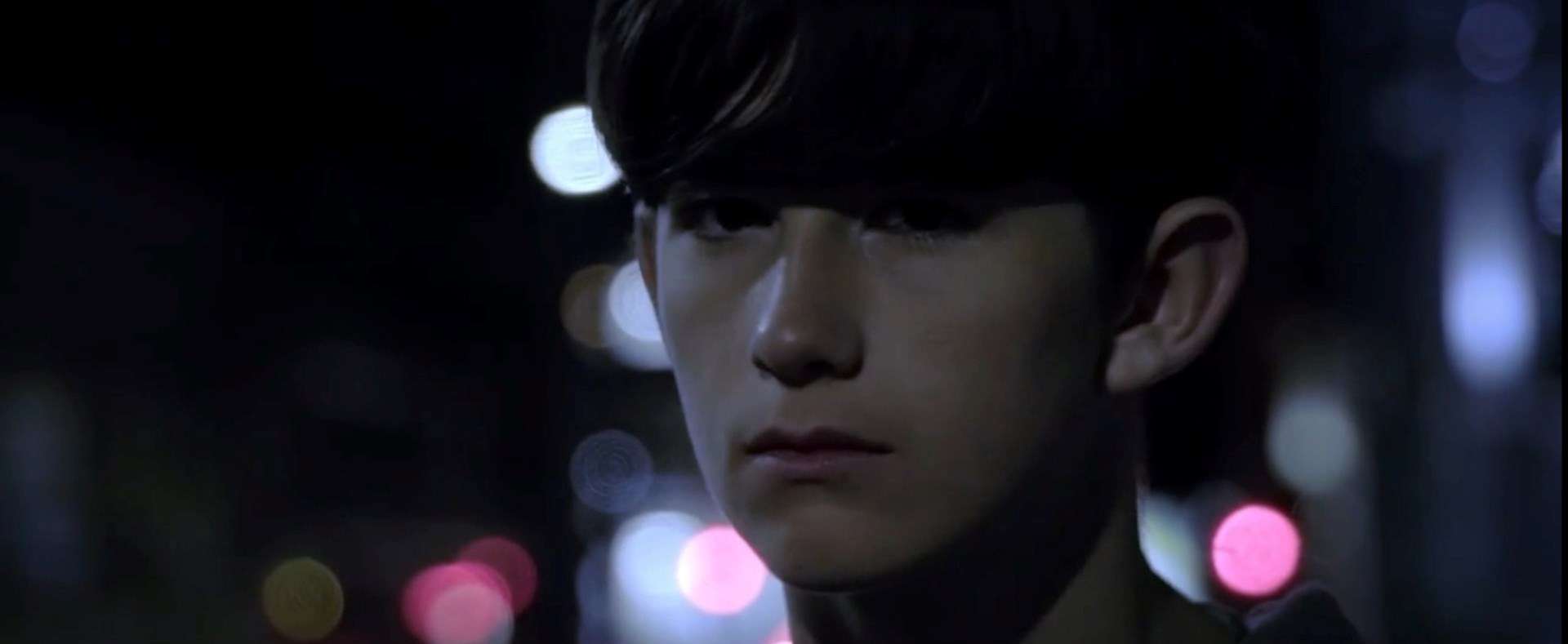
As night falls across Manchester’s sprawling streets, alleyways and towpaths, a teenage boy (Lennon Leckey) sits quietly in the shadows, blood covering his face. In the silence of the alleyway, the boy lifts his head as a police officer corners him, the carcass of a dog lying by his side. But who is this strange teenage boy? And where did he come from?
Assuming the boy is homeless, the police officer takes him into custody, where a social worker, Majorie (Laura Montgomery Bennett), is assigned his case. Majorie is still coming to terms with the death of a boy in her care and is intrigued by the quiet, elusive boy in her presence. But, when his lust for blood rears its head, Majorie must decide whether the boy is a relic of folklore and legend or a damaged young man with no discernible past.
Steele creates a sense of unease from the opening scene, and his beautifully crafted screenplay explores themes of care, isolation, fear, and grief. For Majorie, these themes centre on her recent failure to prevent the death of a boy she deeply cared for, her life and work held within a vacuum of repressed grief. For our young vampire, Nathan, fear and isolation surround his immortality. His long periods of hibernation offer his only security before rising to feed in each new world that greets him. But things become truly interesting when Majorie’s duty of care dovetails with her sense of grief and Nathan’s isolation as her choices become tangled in ethics.
The success of Steele’s short, delicate and compelling film sits firmly in the hands of its cast. Here, the whole weight of the movie sits on their shoulders, allowing little room to manoeuvre. Here, the film’s two lead actors shine, ensuring Boy #5 holds the attention of its audience. Laura Montgomery Bennett’s Majorie reflects the care, love, and support that so many social workers deliver, but it also laces this with a deep sense of unease as her moral compass is challenged.
However, the standout performance of the piece is Lennon Leckey’s Nathan. Leckey’s quiet but assured performance is stunning, as he offers us a young vampire wrapped in vulnerability and power. Each look, reaction, and movement is otherworldly – his silent yet intense and full of horror as he gazes upon his prey, the innocent boy replaced by a fierce hunter.
16. BOYS FROM COUNTY HELL (2021)

According to legend, Bram Stoker visited County Derry, Ireland, before he penned his world-famous Dracula. There, it is said Stoker heard the tale of Chieftain Abhartach, the first Vampire king of Ireland, who lay in the cold ground outside the village of Slaughtaverty under a pile of undisturbed stones, waiting for a feckin eejit to come along and free him once more. This folklore legend is Six Mile Hill’s only claim to fame, but as Eugene (Jack Rowan) and his small group of friends, Claire (Louisa Harland), William (Fra Fee) and SP (Michael Hough), there’s more truth in it than first meets the eye!
Released during the chaos of the pandemic, Boys From County Hell remains largely unknown, but trust me, it is a feckin’ riot. Chris Baugh’s deliciously entertaining romp is everything you could want from a blood-sucking monster picture, lacing rich, dark humour with jump scares and bags of Irish charm. Sitting between laugh-out-loud comedy and gore-laden horror, Boys from County Hell shines through its performances and a wickedly sharp screenplay, yet it remains largely undiscovered as a horror treat.
Bloodlust Vampire Movies
17. TRANSYLVANIE (2023)
SHORT FILM
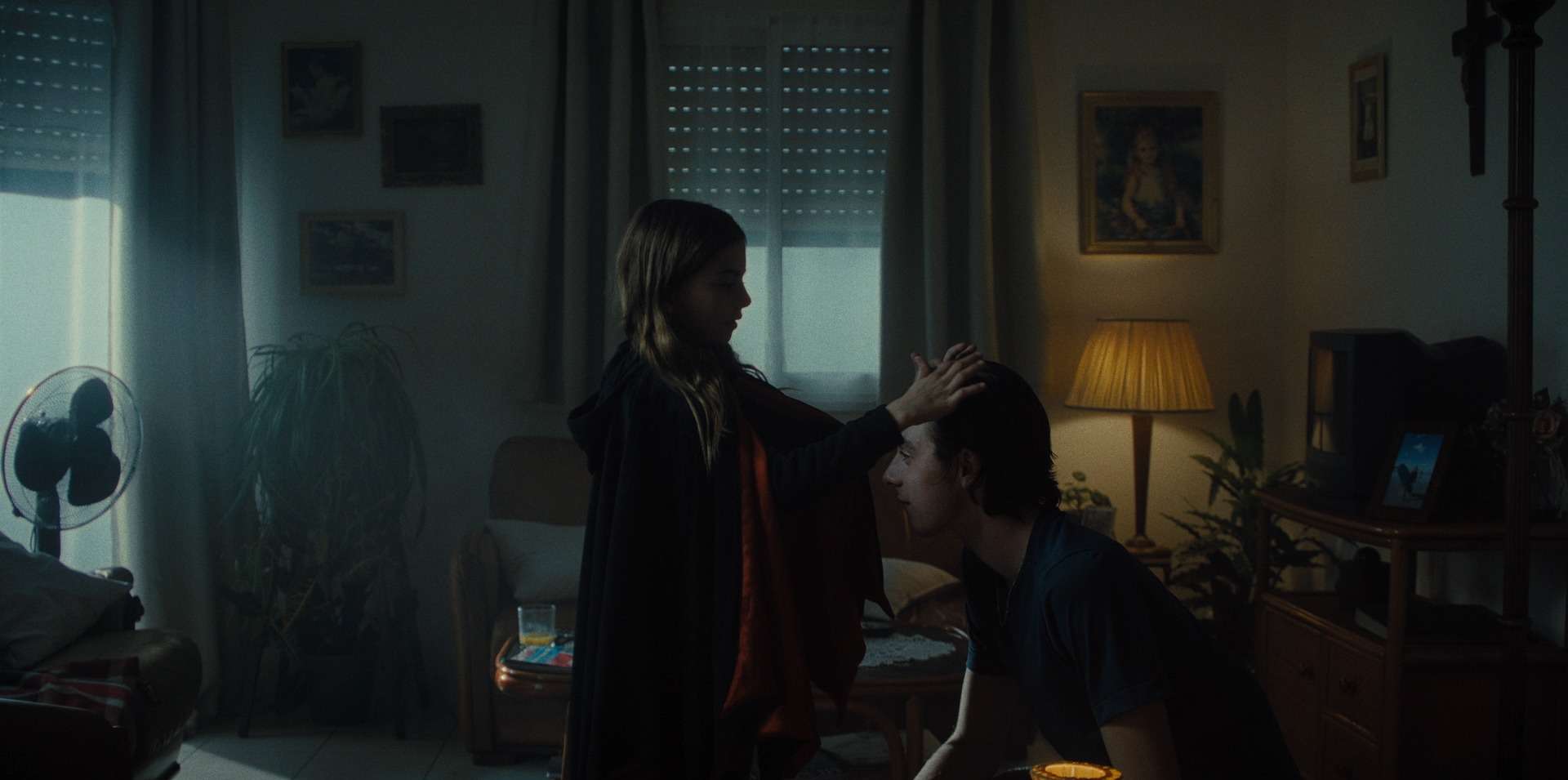
Ten-year-old Ewa claims she became a vampire last September. She spends each day avoiding the local bullies outside her high-rise block of flats while silently visiting the local cemetery, searching for rats to drink from. Her home is silent, with no sign of her parents, siblings, or any support, as Ewa sits in her bedroom, talking to her silent ‘master’ about her loneliness and need for a companion. During these conversations, Ewa decides it’s time to find a boy who can join her in ruling the concrete kingdom she inhabits, and so starts her mission to find the right young man, one her ‘master’ would approve of.
Written and directed by Rodrigue Huart, Transylvanie owes much to Let the Right One In as it explores childhood isolation, bullying and a need to find belonging in a world that alienates you. With a truly stunning debut performance from newcomer Katell Varvat, Huart’s delicate but striking tale leaves us with far more questions than it ultimately answers: Is Ewa really a vampire? Is her world imaginary or real? What happened to her family?
These questions lock you into the action on screen as this delightful slice of folk horror plays out amid the tower blocks of a cold housing estate. But it is in the final act that Transylvanie packs its mighty, unexpected punch, as Ewa finds the boy she wants, only to be confronted by the bullies she has been trying to avoid.
18. INTERVIEW WITH THE VAMPIRE (2022)

Many questioned whether Interview with the Vampire should rise from the dead following Neil Jordan’s exquisite 1994 film adaptation starring Brad Pitt, Tom Cruise, Kirsten Dunst, and Christian Slater. Boardwalk Empire’s Rolin Jones proved them wrong. So sink your teeth into Anne Rice’s blood-soaked saga of immortality, love and revenge starring Jacob Anderson (Game of Thrones), Eric Bogosian (Succession) and Sam Reid (The Newsreader). This stunning contemporary adaptation breathes new life into Rice’s revolutionary gothic novel and marks the thrilling first instalment of AMC’s emerging Immortal Universe series based on her lauded The Vampire Chronicles.
In modern-day Dubai, vampire Louis de Pointe du Lac (Anderson) sits down with renowned journalist Daniel Molloy (Bogosian) to share the story of his life — or rather, his afterlife—which begins in the hustle and bustle of 20th-century New Orleans. There, challenged by the constraints as a queer Black man in 1900s America, Louis finds it impossible to ignore the irresistible allure of Lestat de Lioncourt’s (Reid) offer of the ultimate escape: a chance to outmanoeuvre the confines of mortality and join him as his vampire companion.
But Louis’ new powers come at a precious price, and the introduction of Lestat’s latest creation – the child vampire Claudia (Bailey Bass – Avatar: The Way Of Water) – propels them on a path of revenge and redemption spanning decades. Epic and sweeping in its visual beauty and performances, Rolin Jones’ adaptation of the Anne Rice classic is proudly queer, gloriously gory and bloody riveting.
Bloodlust Vampire Movies
19. DRACULA (2020)

In BBC One’s delightfully dark take on Bram Stoker’s gothic creation, Steven Moffat and Mark Gatiss transform Stoker’s tale while paying homage to the original text. The result is a TV series that echoes the visual style of Hammer Horror in its early episodes before diving into a far more modern tale of bloodlust.
Just as Moffat and Gatiss reinvented Sherlock Holmes for a new generation, they also embrace Dracula’s literary roots while adding layers of fresh character analysis. At the same time, Claes Bang’s central performance combines the charm of Christopher Lee with the haunting presence of Bela Lugosi. Dracula is not only a love letter to Gothic horror but also a long-overdue rebirth of Stoker’s character, its gore and charm wrapped in the writing genius of two of TV’s most visionary talents.
20. MY HEART CAN’T BEAT UNLESS YOU TELL IT TO (2021)

Dwight (Patrick Fugit) lives for the night, prowling the streets in his truck, looking for anyone who will not be missed; the homeless, prostitutes, and lost souls are all fair game. However, this is not a duty undertaken for some sick pleasure; Dwight’s nightly trips are a chore he must endure as he protects his reclusive brother, Thomas (Owen Campbell), and his sister, Jessie (Ingrid Sophie Schram). With each new victim, Dwight loses another part of himself, his life slowly vanishing into a pit of despair and uncertainty. However, Jesse and Thomas need Dwight to continue, but at what cost?
Jonathan Cuartas frames his story in a tight 4:3 format, bathing his audience in a subdued colour palette that creates a sombre, lonely, and confined space. The result is a claustrophobic, edgy, dark world built on conversations of loyalty, family, love, and destruction.






Follow Us