
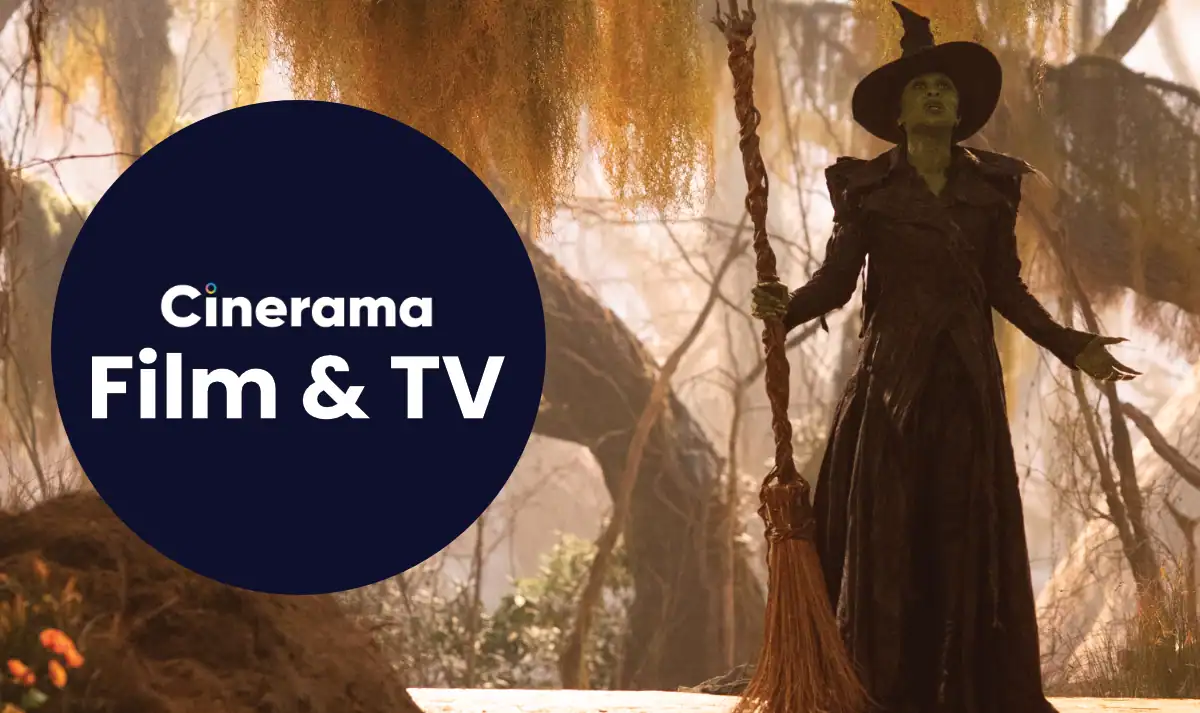

Wicked: For Good is a worthy, captivating finale. Colourfully crafted, with a darker tone and more direct themes on the complexities of preserving morality, the film enchants with its baroque musical numbers and stellar performances from Erivo and, especially, Grande-Butera.
My 2024 review of Wicked, Part One, characterised the duology’s opening as a three-star film with a five-star ending. However, with hindsight and subsequent revisitings, I should have given it four stars. While I stand by some of my initial criticisms (some poor CGI and narrative bloat), Wicked is also a spellbinding tale of disillusionment, with radiant performances, imaginative sets and euphoric music – Defying Gravity is still spectacular. Wicked: For Good, 2025’s concluding follow-up, is a second act that dances to the same vibrant musical tune, grappling with how one’s conscience is tested by conflict, resulting in a somewhat turbulent flight but a triumphant landing.
Adapting the second act of the 2003 Broadway play, itself based on Gregory Maguire’s literary reimagining of The Wizard of Oz, Elphaba Thropp (Cynthia Erivo) has been living as a fugitive for years. Branded the “Wicked Witch of the West”, Elphaba defies the Wizard of Oz’s (Jeff Goldblum) rule, challenging his lies while fighting for the rights of Oz’s subjugated Animal community. But as Elphaba continues to resist, she struggles to stay true to herself under the wicked label she has been given.

Maguire’s book was founded on the question of what wickedness really looks like. Throughout Part One, Elphaba was marginalised for her green skin, shy demeanour and unusual magical ability. That same othering has now been weaponised for propaganda in Part Two, giving Oz the “evil” a target that all tyrannical regimes thrive on, forcing Elphaba and others to engage with that same nebulous concept of wickedness personally. As the various characters respond in different ways, the film closely examines the difficulties with protecting morality in the face of conflict.
Most prominently, Elphaba’s former friend Glinda (Ariana Grande-Butera) has been working alongside the Wizard, and his right-hand woman Madam Morrible (Michelle Yeoh), serving as a propped-up “good witch” to Elphaba’s wicked one, despite Glinda’s lack of magic. She relishes her new role, but, deep down, knows the truth about the Wizard’s falsehoods. As such, she goes along uneasily, struggling to choose between her deepest wants and her rising guilt. Glinda’s arc is one of the heart at war with itself, a sentiment that can be applied to several characters but feels particularly potent with Glinda.
If Part One was a tale of disillusionment, then Part Two is a story of personal redemption. Nearly every side character from the servile Boq (Ethan Slater) to the love-stricken Fiyero (Jonathan Bailey) to the Wizard himself has to make choices regarding their ethics, their decisions informing the direction of their stories and the ultimate climax. But Elphaba and Glinda’s complicated dynamic remains the heart of the film, the two fighting on opposing sides yet still longing for that friendship that once defined them. Their relationship brings out the best of the themes and musical material, each one finding redemption in the eyes of the other as they navigate their dilemmas and confront their own selfishness. Jon M. Chu’s grandiose direction remains opulent, but wisely puts these two centrestage wherever possible.
Erivo was sensational in the first picture, and she once again channels Elphaba’s layers, with both a powerful sense of purpose and a concealed loneliness, despite her newfound strength. Yet, this time around, Grande-Butera may be even better. Building on the ditzy comedy persona she crafted so well, Grande-Butera captures a more profound sense of personal quandary, with her expressions silently conveying pain in spades as Glinda is pulled in various moral directions. The weight of this woe is showcased in the song The Girl in the Bubble. It is a transformative piece of acting from the pop star, with her efforts amplified whenever she and Erivo get to showcase their magical chemistry together on screen.
Wicked: For Good was filmed back-to-back with its predecessor, and thus benefits from consistent style. The sets remain just as lustrous and expansive, gleaning otherworldly feelings with ease. Radiant greens, blues and pinks pop off the screen from the visuals to the costumes to the grand sets of the Emerald City.
To match the darker tone of this second act, some set pieces incorporate more gothic architecture or desolate looks, such as the setting for the film’s best song, No Good Deed, where the bleak, eroded landscape parallels the cracks in Elphaba’s persona. While some of the CGI remains blatant in select moments, and some of the questionable lighting choices persist in others, the film is often visually exuberant. The musical soundtrack only heightens this flair, with numbers like No Good Deed, Girl in the Bubble and the titular For Good all proving toe-tapping and spine-chilling alike.
Some of the film’s rockier elements come from its setup and execution of scenes that directly tie into the original Wizard of Oz narrative, as the film eventually adapts those events. Certain choices, such as making the Tin Man more outwardly bloodlustful, or keeping Dorothy relatively obscured (something the play famously does as well), are understandable, even thought-provoking. But in setting up the various scenes and plot points needed to tie this all together, the film rushes through key events, particularly in its first half. It comes together in the end, and the landing is well stuck, but where Part One felt like a grand crescendo, Part Two can sometimes feel more like the lining up of dominoes, even if the resolution is worth it.
In an ironic twist of fate, given that I criticised the length of Part One, this film and its predecessor could have done with swapping runtimes. Broadening specific plot points to give them more weight would’ve done wonders for this picture.
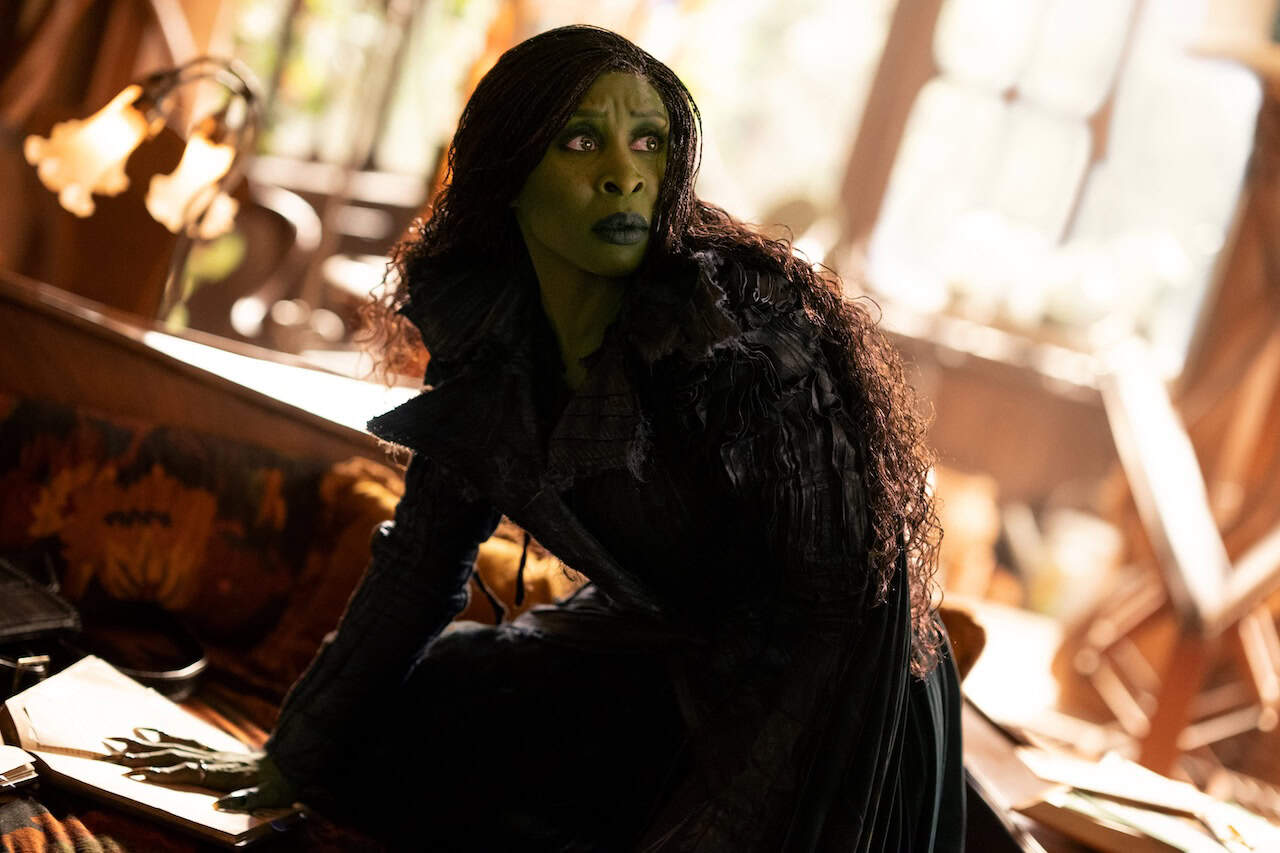
Wicked: For Good is a worthy, captivating finale. Colourfully crafted, with a darker tone and more direct themes on the complexities of preserving morality, the film enchants with its baroque musical numbers and stellar performances from Erivo and, especially, Grande-Butera. That Defying Gravity sequence from Part One remains unbeaten, but the definitive idiosyncrasies and unmistakable parallels in the character arcs, themes, and visuals make both films as rich and rewarding as the other.
The best movies, whatever their genre, change us in the most profound ways. For those who grew up loving the original stage show, or those experiencing the magic of this reimagining for the first time, the Wicked films may well be such pictures. Neither film is perfect, but their existence is a joyful development. Whether a lifelong musical enthusiast or a young fan discovering cinema for the first time, I rest easy knowing that these films will have changed someone, possibly many, for good.








Follow Us