

While not on par with the first and especially the second, Paddington in Peru still offers many wonderful moments of entertainment. A delightful ode to family, as well as the many shapes and sizes it can take, it charms with its lively humour, bright visuals, and fundamental belief in the best of people. Paddington in Peru is showing in cinemas nationwide from November 8.
The Paddington Bear movies are gems of contemporary British cinema. As adaptations of the beloved Michael Bond children’s books, where a bear comes to London and is taken in by a human family, they capture the spirit of the series wonderfully while achieving universality through timely themes and Wallace and Gromit-esque humour. 2017’s Paddington 2 is genuinely one of the greatest films of the 21st century; its story, humour and earnestness are all second to none. Thus, it gives me great pleasure to say that the third entry, Paddington in Peru, offers plenty of fun as well.
Paddington Bear (voiced by Ben Whishaw) has been living comfortably with the Brown family at Windsor Gardens, London, for many years now. He even obtained a British passport, as shown in the humorous opening sequence where his efforts in the photo booth produced comical results. However, this new citizenship has left Paddington feeling strange as he is torn between his Peruvian roots and his new British identity.
He is called back to Darkest, Peru, by the Home for Retired Bears, as Paddington’s Aunt Lucy (voiced by Imelda Staunton) has been missing him terribly. Paddington and the Browns set off to Peru, only to discover, once they arrive, that Aunt Lucy has disappeared. Therefore, Paddington and the Browns set off into the Amazon to find her, accompanied by a boat captain, Hunter Cabot (Antonio Banderas) and his daughter, Gina (Carla Tous). All sorts of hijinks and life-affirming dilemmas ensue.
While the Paddington stories are a cornerstone of British culture, their universality comes from their celebration of empathy. The first was essentially a pro-refugee story, and the second was about the importance of kindness. From the outset, this third film reveals its hand as an ode to family, whether biological or the one one finds. During a conversation at Paddington’s favourite antique shop, the owner, Mr Gruber (Jim Broadbent), a German immigrant, confesses that he sometimes gets mixed feelings. He’s proud to be British but hasn’t forgotten his roots either. It’s clear that Paddington is going through a similar wave of emotions as he thinks about Aunt Lucy in Peru and the Browns in London, whom he has come to call family.
Although this central theme is on the nose in presentation, it’s in making these complicated, heterotopic feelings accessible that the film’s abundance of sincerity comes through. By taking the story back to Peru, Paddington is essentially finding himself as he searches for Aunt Lucy, which serves as the primary driving force through the giddy, joyous sequences of adventure. Even the Browns face their own dilemmas, which they must overcome as a result of being in Peru. Mr Brown (Hugh Bonneville) tries to take more risks; son Jonathan (Samuel Joslin) tests his interests outside of his room, and daughter Judy (Madeleine Harris) considers her relationship with Mrs Brown (Emily Mortimer, replacing Sally Hawkins). Even Banderas’ mercurial captain has an arc that forces him to choose between family and desire. These storylines work seamlessly together, as this is a movie that genuinely cares about its characters and takes pleasure in their company, a sentiment shared by audiences who will relish their collective chemistry.

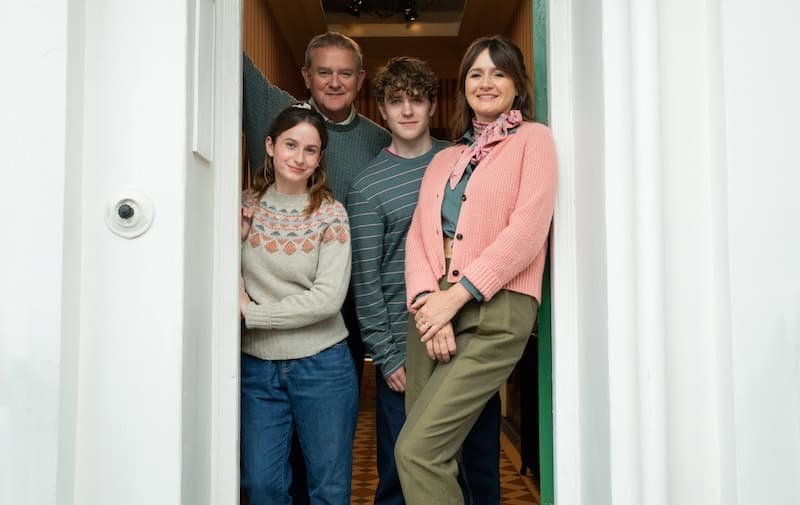

Accompanying us on this idiosyncratic quest through the jungle is a plethora of the light-hearted humour we’ve come to love from this franchise. The film marks the directorial debut of Dougal Wilson, who’s best known for directing John Lewis Christmas adverts. The springy energy of those projects is palpable here, as the characters resolve their conflicts with determination and wit alike. While the abundance of green-screen is occasionally distracting, the characters navigate their very non-London environments with humorous results, their personalities tested and reaffirmed by the unique dangers and oddities of the Peruvian jungle. This is not even including the return of numerous blink-and-you-miss-it jokes, such as newspaper titles like The Gurrdian and The Furnancial Times.
That it’s all enabled by a cast evidently incentivised by the material just makes it all the better. Standouts include Julie Walters as the ever-formidable Mrs Bird and Olivia Colman as the Reverend Mother of the Home for Retired Bears. Colman’s delightful energy is just intoxicating to watch as she chews the scenery with fervour; a silly but eccentric musical number that she leads is one of the film’s highlights.
Creative, emotionally resonant filmmaking maintains our engagement throughout, even as the story enters slightly more formulaic territory in the second act. Deep dives into the characters’ minds are showcased through playful editing, which splices fantasy and reality together, as well as the occasional flashback. The use of wide cinematography indicates the underlying loneliness Paddington is wrestling with, all while the visual gags leap off the screen. Whether it’s a running gag involving Mr Brown and a venomous spider or amusing nods to media titles like Mary Poppins and The Sound of Music (even the plot can be seen as a loose parody of Werner Herzog’s Aguirre, the Wrath of God), the film is alive with joy and sincerity.
What this leaves us with is a picture that, while not on par with the first and especially the second, still offers many wonderful moments of entertainment. A delightful ode to family, as well as the many shapes and sizes it can take, Paddington in Peru charms with its lively humour, bright visuals, and fundamental belief in the best of people. Its dedication to fun and playful storytelling is surpassed only by its celebration of what makes Paddington Bear so euphoric – that being its championing of acceptance, community and kindness, especially at the expense of prejudice and closed-mindedness. In the aftermath of the recent US election, I believe the world will be in dire need of kindness, much like Paddington’s, in the coming years.















Follow Us