


Flanagan has crafted a delicate but strikingly earnest portrayal of human connection and the importance of cherishing limited time, all to the tune of stunning visuals and immaculate performances. That it’s so different from Flanagan’s usual catalogue of genre filmmaking shows a refreshingly tender side to his artistic capabilities. As heartfelt as it is huge in its scale and interpretive nature, The Life of Chuck is a wonderful new gem in the canon of Stephen King adaptations.
Mike Flanagan is one of the underrated greats in contemporary writer-directors. A horror specialist, he has demonstrated considerable talent for atmosphere, complex characters and thematic richness. I’ve been a fan since Oculus, and watching his style evolve over the years has been greatly rewarding. Mike Flanagan’s newest, The Life of Chuck, is quite the departure in that it’s a fantasy drama rather than a horror. Yet it maintains that unique ability to absorb via character and atmosphere, leaving us with a life-affirming, spellbinding epic.
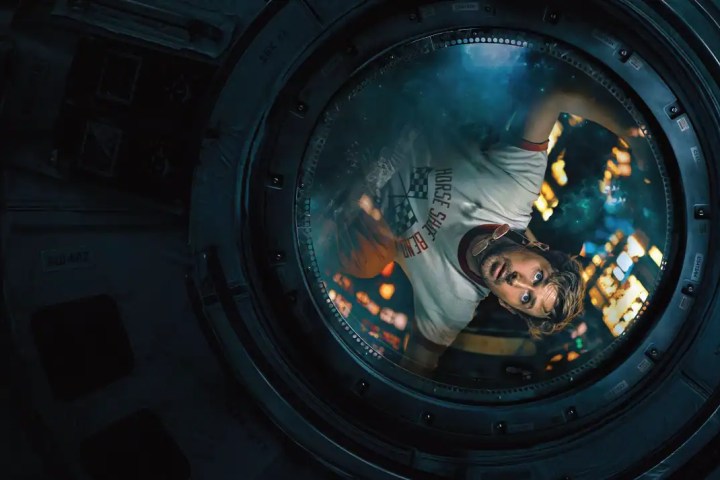
Based on Stephen King’s novella of the same name, the film opens on a morbid note, with the end of the universe closing in. Natural disasters are happening everywhere, with global communications disappearing in the first minute of the picture. The stars are disappearing in the sky, and humanity is solemnly making peace with the inevitable, even as the excruciating waiting threatens to break the strongest minds. Among the apocalyptic developments, however, are a multitude of advertisements seemingly promoting the retirement of accountant Chuck Krantz (Tom Hiddleston) after “39 great years”. As the last of humanity’s survivors struggle to make sense of these ads, the film tells the story in reverse, beginning with humanity’s end and then unfolding the key moments in Chuck’s life that defined his apparent legacy.

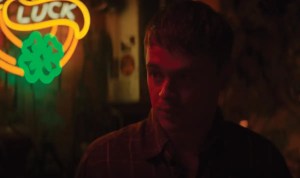
©NEON/StudioCanal
This unconventional storytelling choice is reminiscent of movies like Memento, which also tell their stories out of chronological order. The film is divided into three clear acts, beginning with the end of the universe, followed by a pivotal moment in Chuck’s adulthood, and then into Chuck’s childhood, where the bulk of the story and the emotional resonance of the film blossoms into being. The unconventional choices here may be a dealbreaker for some, but for this critic, they proved deeply profound, enhancing the sentiments of the picture to astronomical proportions.
Philosopher Søren Kierkegaard has a timeless quote: “Life can only be understood backwards, but must be lived forwards”. Flanagan and team, as well as King before them via his novella, appear to be channelling this philosophy, and its hybrid of pathos and wisdom, into their storytelling. What the film ultimately amounts to is a celebration of life and of all the details, especially the smaller ones, that make it worth living. Life is messy and plagued by fears, perhaps by fear of life’s end most of all, yet this shouldn’t stop one from living at their best, regardless of whatever the future may hold, be it the destruction of one’s dreams or the destruction of the universe itself.
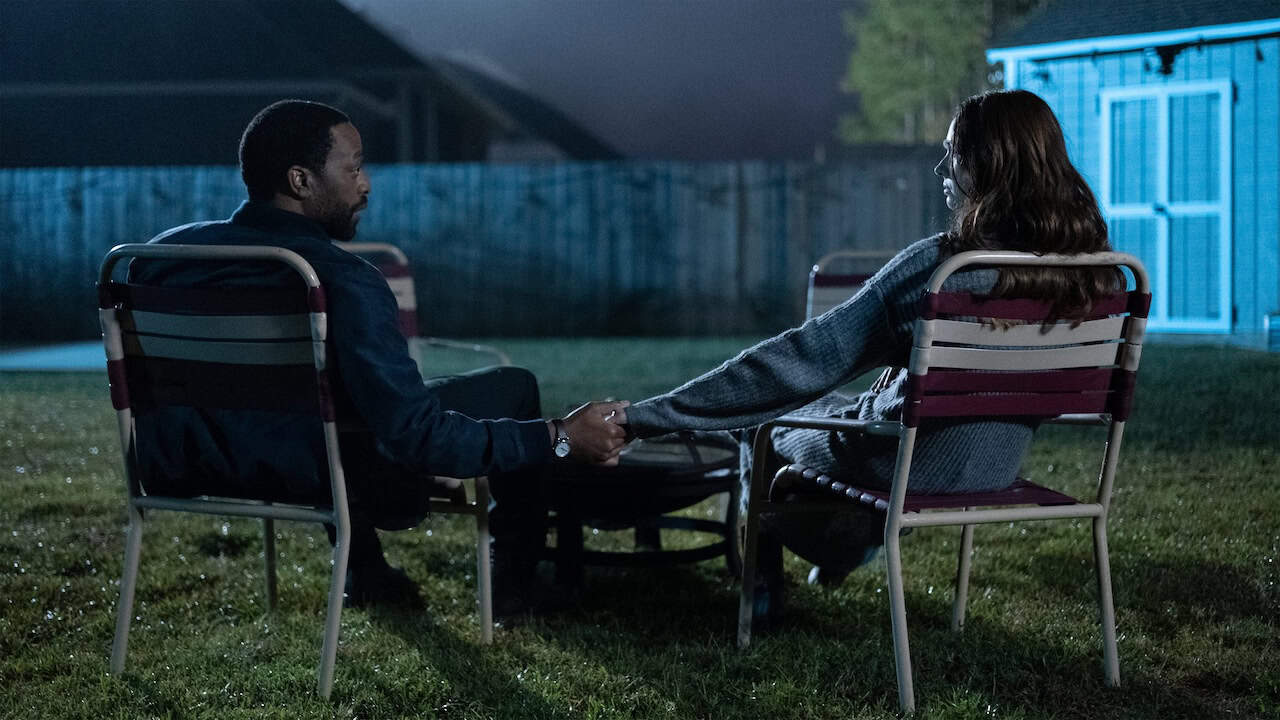
In embodying these sentiments, The Life of Chuck finds an engrossing, hypnotic grip over the audience, basking in Flanagan’s strengths as a filmmaker. Although visuals of destruction are kept somewhat to a minimum, portrayed mostly through news stories and subtle choices in special effects or costuming, Flanagan creates a palpable atmosphere of fear. One moment, where people walk away from a significant, unseen disaster, reminded this critic of Grave of the Fireflies in how the small touches of mise-en-scène convey an extraordinary hopelessness born from an impossible tragedy.
©NEON/StudioCanal
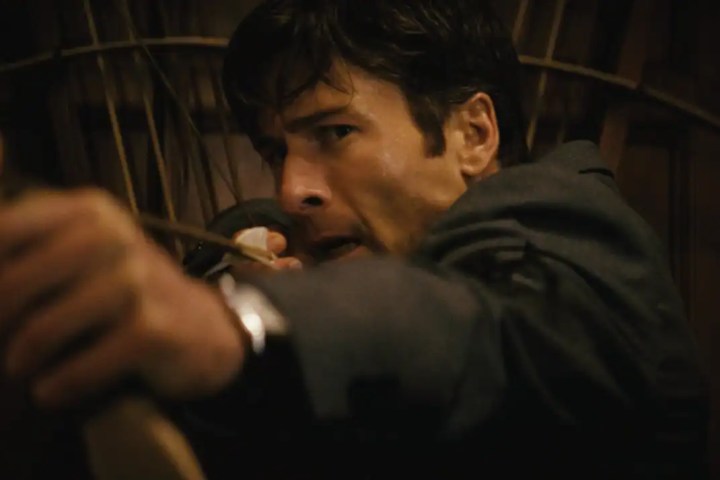
The performances are quietly tense, both from key players like Chiwetel Ejiofor and Karen Gillan, whose chemistry is riveting, and from smaller roles, such as Matthew Lillard, who appears for only one scene yet leaves a searing mark through his quiet acceptance of fate. The slow direction draws out the anxiety as the waiting is stretched out to Hitchcockian proportions. Flanagan also serves as the film’s editor, and his deliberate choices on where to cut and where to linger allow the atmosphere to eerily fester.
Yet when the film adjusts gears and starts revealing its hand in reverse chronology, the visuals and performances remain just as mesmerising despite losing their scale. While more domestic than universal, that feeling of life’s grandness and enormity shines through. The second act best encapsulates this via a small but delightful moment of connection between Hiddleston’s iteration of Chuck and a drumming busker. But Chuck’s childhood is where the pieces begin to connect and the wonders of a life well lived illuminate the screen, the mood shifting from abject horror to something more akin to a fairytale.
Recurring motifs and the reappearance of characters we saw in the first portion of the film serve as chilling reminders of what fate awaits those who inhabit the story. But the choices made by the characters allow us to understand how things came to be. Whatever the emotion, the film highlights the importance of embracing it and taking every moment as it comes. Rich character work is born from this, creating an intricate man of hopes and fears in Chuck as his love of the arts is weighed against the practicalities of life. His mentor is his well-meaning but cynical grandfather (Mark Hamill), whose philosophy, captured in an electric but heartbreaking monologue about maths, is arguably the antithesis of the picture’s point, serving as a cautionary tale on how leading a life adverse to fear can rob one of a full experience. Hamill delivers a terrific performance reminiscent of his stunning work in The Last Jedi, using a complex mix of love, smarts and jadedness to create an antagonistic figure as sympathetic and even lovable as the titular hero.
The ultimate euphoria of The Life of Chuck lies in its ability to use darkness to celebrate the brightest of lights. It doesn’t shy away from the great sadnesses or terrifying inevitabilities of life, but it treats them tenderly, viewing them as part of the journey, not obstacles in the road. Individual scenes sparkle with joy or pathos alike, from the end of the world to the small freedoms one can find in a dance class. But when strung together as a whole, told in reverse order to underscore the value of its themes, we get a picture that brims with vibrancy and visual sweets, generating an emotional experience as vast as its ambitions.
Perhaps elements of The Life of Chuck become nonsensical when placed under scrutiny, particularly those deliberately left ambiguous, but then again, some of life’s biggest joys can’t be wholly explained either. Some detracting reviewers have called the film maudlin or miserable, and while the film is certainly sentimental, it’s far from pessimistic. Flanagan has crafted a delicate but strikingly earnest portrayal of human connection and the importance of cherishing limited time, all to the tune of stunning visuals and immaculate performances. That it’s so different from Flanagan’s usual catalogue of genre filmmaking shows a refreshingly tender side to his artistic capabilities. As heartfelt as it is huge in its scale and interpretive nature, The Life of Chuck is a wonderful new gem in the canon of Stephen King adaptations.
The Life of Chuck is now playing in cinemas nationwide.









Follow Us