

Directed by Steve McQueen and written by Bianca Stigter, Occupied City arrives in UK and Irish cinemas on Friday, 9 February.
Following its World Premiere at the Cannes Film Festival 2023, Spotlight screening at the New York Film Festival, UK premiere at the BFI London Film Festival and Dutch premiere at IDFA, Steve McQueen’s OCCUPIED CITY will open in cinemas across the UK and Ireland this week on 9 February 2024. A special event screening will take place on Sunday, 11 February, including a live Q&A with McQueen and Stigter, to be broadcast from the Barbican to cinemas nationwide.
Where do the memories of a city go? From Oscar- and BAFTA-winning filmmaker and Turner Prize-winning visual artist Steve McQueen comes a mesmerising and monumental excavation of how the past haunts our precarious present: mirroring it and warning us in plain sight.
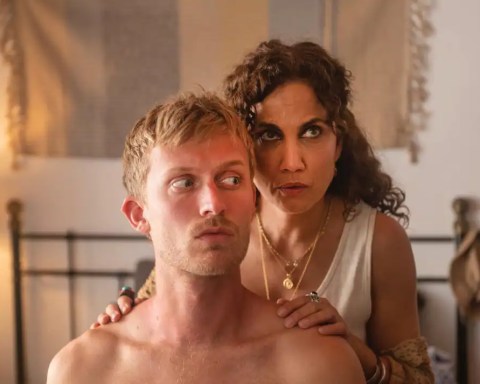
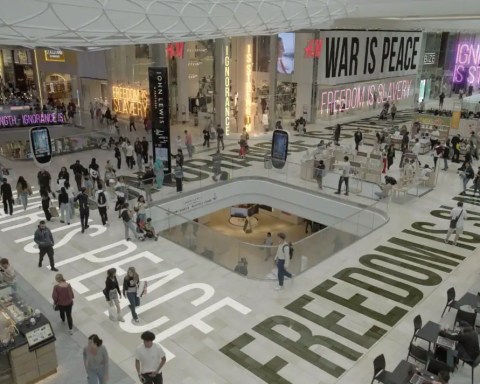
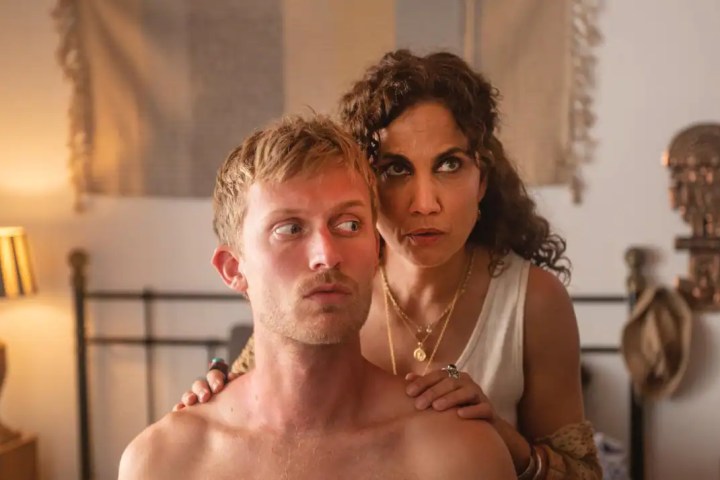
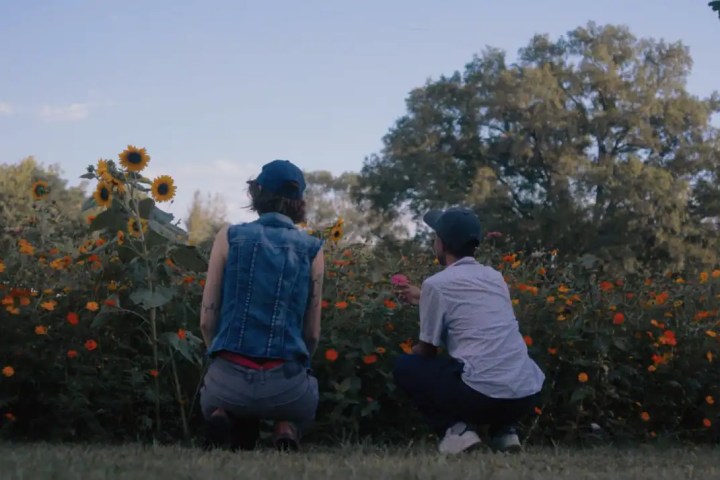
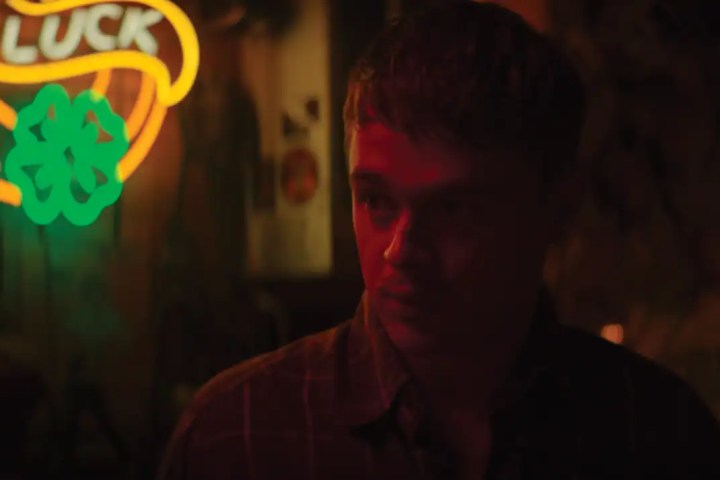
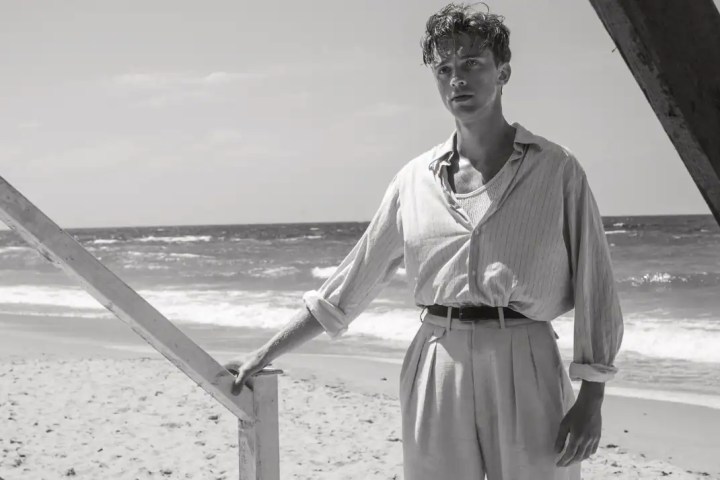
In OCCUPIED CITY, a searching camera sweeps through a vibrant Amsterdam in 2020, reeling from the global pandemic. At the same time, the film summons the people and memories of the past, laid over the city’s map and woven into the fabric of its streets and buildings. Out of the combination comes a transformative effect. As the film overlays an unprecedented time that we all just lived through atop door-by-door accounts from the city’s devastating Nazi occupation – tales of resistance, collaboration, valour, and denial – McQueen opens up a poetic, dreamlike space where unthinkable history and hope for a new future co-exist.
The film is informed by the rigorously researched and lauded Atlas of an Occupied City (Amsterdam 1940-1945), written by historian and filmmaker Bianca Stigter, director of Three Minutes – A Lengthening and McQueen’s partner. The film travels to around 130 addresses in the city to uncover what occurred behind each window in those calamitous years. The emotional power of these stories accumulates over the course of the film, laying bare the mechanics of both systematic oppression and sudden bravery, both calculated terror and life-saving luck, and both ordinary and extraordinary ways of surviving.
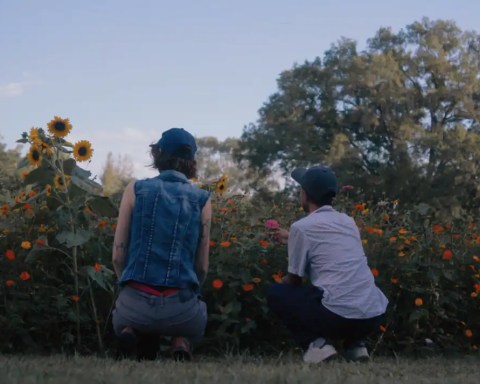
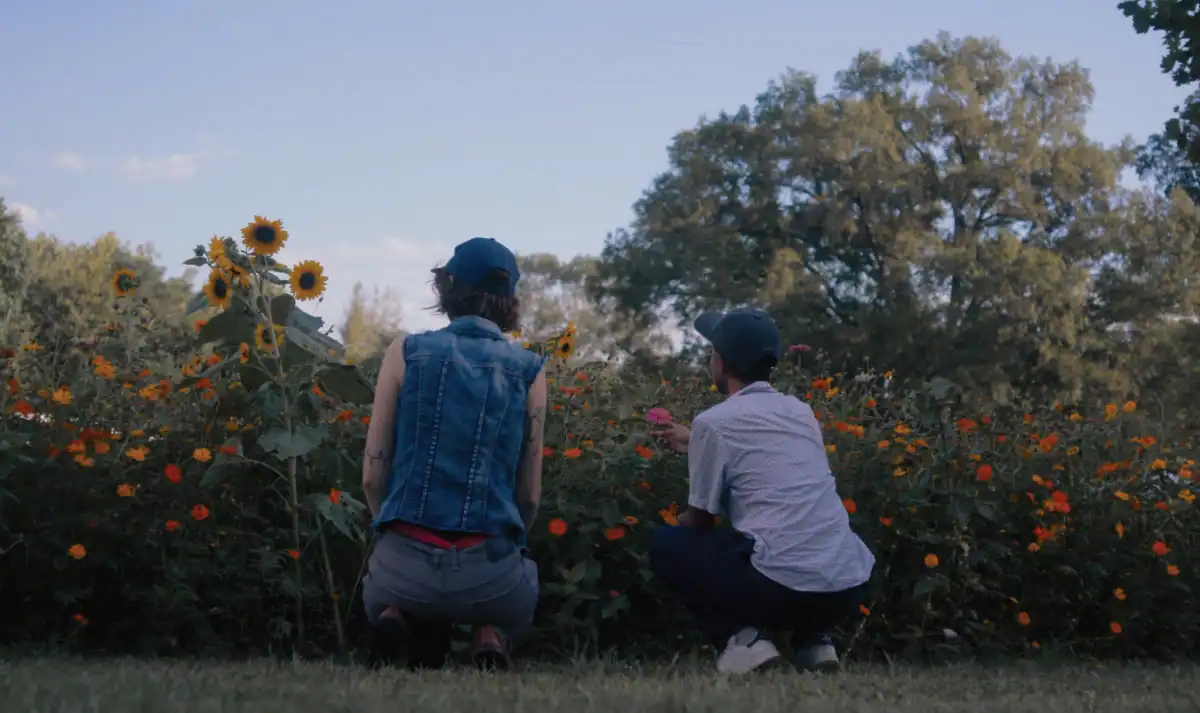
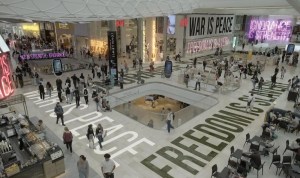
Yet, the film’s hypnotic imagery is entirely of our times, persistently moving forward. McQueen uses no archival footage nor a single interview. Instead, the panoramas are awash in the rhythms of modern daily life, shot through at times with the eerie time-distortion of COVID’s protocols and losses and the sudden eruption of fervid street protests—for freedom, against racism and to halt climate change.
By interlacing our fragile, complicated past with the uncertainty of now and the urgency of what comes next, OCCUPIED CITY seems to reconfigure the context of all three. Some images and stories mysteriously connect. Others clang and shudder as the film becomes a startling and original meditation on time, memory, and immediacy—history as something all around us and something we continually create. But it is also a highly personal journey, as we weave in and out of houses and remembrances, in and out of grief, indignation, and moments of joy, hearing history, seeing the recent world, and wondering about tomorrow.








Follow Us