

Wonka is a sugar rush of vibrant ingenuity, beautiful production design and one gargantuanly charming performance from Timothée Chalamet. Wonka arrives in UK cinemas on December 8th.
As far as prequels go, a Willy Wonka origin story seems an odd choice, especially when Gene Wilder’s iconic, unhinged portrayal in 1971’s Willy Wonka and the Chocolate Factory immortalised him in film history. Therefore, a prequel seems strange, even unnecessary, as the character’s allure comes from the mystique that the original film surrounds him with. It was vital that audiences weren’t privy to Wonka himself, as the novel and original film are told from Charlie Bucket’s perspective, allowing for wide-eyed wonder when Wonka unveils his secrets. However, director Paul King sets out to prove that there are still stories to tell in the life of Wonka without reneging on the original, as there is just enough sweetness here to satisfy one’s hunger, even if it never reaches the sugary highs of the original film.
Ecstatic chocolatier Willy Wonka (Timothée Chalamet) arrives home, having spent years collecting the unique ingredients needed to revolutionise the chocolate industry. Filled with playful charisma and a hat full of dreams, his lack of finances and a villainous and greedy Chocolate Cartel – led by Slugworth (Paterson Joseph) – threaten to smash young Wonka’s dreams before they begin. Determined to set up shop and establish himself as a serious voice in the confectionery world, Wonka teams up with a band of misfits, most notably an orphan girl named Noodle (Calah Lane), to make his dream come true.
Paul King is best known for directing and co-writing (with Simon Farnaby) two of the most charming and family-friendly pictures ever made: Paddington (2014) and Paddington 2 (2017). Paddington 2, in particular, is so full of thematic benevolence, Aardman-esque wit, and heartfelt earnestness that it can reasonably be called a rare, perfect film. Wonka is elevated by the same humour and innovation that made those films so delightful. It is a rambunctious spectacle that, like the best chocolate, is sugary with a soft centre.
Grandiose and eccentric is Wonka’s demeanour, and so too is the production design. While the streets and buildings that Wonka returns to have a gloom reminiscent of Edwardian-era London, it isn’t long before his influence rubs off on the city, and the colours start to burst through the bleakness. The wonder and awe of magic tricks soon transform the film into a whimsical spectacle, brimming with rainbow-coloured joy and a humongous sense of scale. To Wonka, the sky’s the limit when it comes to achieving your dreams, and the film adopts a similarly unrestrained approach, dazzling audiences with the pure imagination one can only find in a Willy Wonka story.
The cast channels that same energy into their performances, especially Timothée Chalamet, who is the vivacious heart and soul of the picture. Chalamet weaponises his star power to dial the whimsical nature of his role up to eleven, chewing the scenery with his showmanlike skills. Yet, as is true for a man of his talents, his role still holds poignancy. Wonka is inspired by the words and love of his late mother (Sally Hawkins), who, above anything, encouraged her son to persevere and bring joy wherever possible. There is a vulnerability to Chalamet’s performance that makes it much richer than the inherent quirks of the classic chocolate maker.
Other standouts include young Calah Lane, who holds her own marvellously against the star-studded cast, as well as Hugh Grant as an Oompa-Loompa, and even a hilarious double act between Olivia Colman and Tom Davis, whose exaggeratedly nasty characters would be right at home in a classic Roald Dahl story.
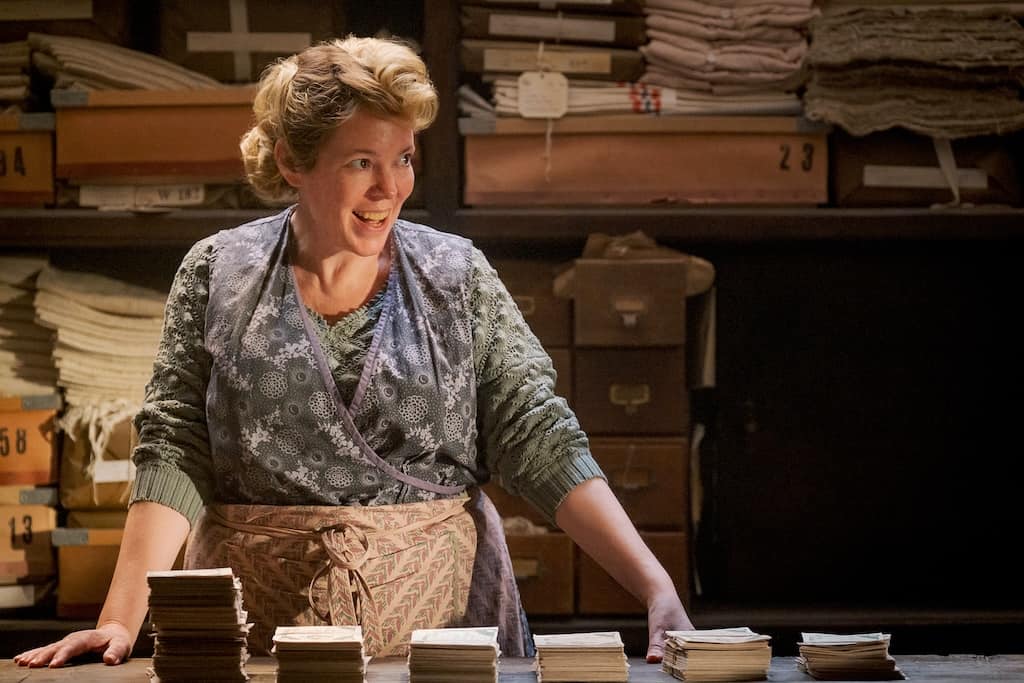

Like in King’s Paddington films, Wonka proves to be a delicate balancing act between genial comedy and wholesome sincerity. Amongst the plethora of zany word plays, idiosyncratic imagery and blink-and-you-miss-it punchlines, there is a thematic ode to innovation and tenacity against the crushing weight of avarice and convention. King and his team fundamentally understand that the appeal of Wonka stems from his bizarre creativity; yet, they also champion this from a thematic standpoint, arguing that this exact curiosity, however peculiar, is what makes life worth living in a world dictated by capitalist routines and out-of-touch elites.
It’s a pity that where the original Mel Stuart classic arguably most succeeded, its musical prowess is where this film feels somewhat lacking. While some subtle callbacks to “Pure Imagination” are sprinkled throughout the score, the original songs here are slightly ham-fisted. The singing voices exude passion, but the lyrics often try too hard to rhyme or fit into the tunes being created, resulting in songs that are pleasant in construction but somewhat awkward when recited.
Furthermore, the odd joke falls flat or, worse, feels tasteless. Keegan Michael-Key’s character is the worst offender; due to his gluttonous love for chocolate, his defining trait eventually becomes his weight. While one could argue that this choice is meant to demonstrate the character’s greed, given the film’s context, it remains a needlessly mean-spirited jape in an otherwise endearing film.
For a movie whose necessity was initially questionable, King and his team have once again shown that they shouldn’t be underestimated. Wonka is a sugar rush of vibrant ingenuity, beautiful production design and one gargantuanly charming performance from Timothée Chalamet. While it may not reach the heights of its 1971 counterpart, it still succeeds in being its own delightful entity that will tickle your funny bone and appease your sweet tooth alike. Sometimes, that’s all a film needs to do.












Follow Us