

Cowboys and Rurangi are now screening at BFI Flare.
COWBOYS AND RURANGI – BFI FLARE DOUBLE BILL
COWBOYS
“Everything is so big—the sky, the mountains, the wind-swept flatlands—it sinks into you, it shapes your body and your dreams.” – Christopher Paolini.
From A River Runs Through It to Big Eden, Montana’s expansive vistas and luscious mountains have long appealed to filmmakers. Each of these films reflects themes of family, isolation, and renewal, as if the mountains, rivers, and forests serve as a spark for personal change and transformation. Montana’s glacier-carved landscape offers rebirth, risk, and adventure to those who seek to explore its wonders; however, this romantic view hides communities where conservatism, culture, and religion still control daily life, with the freedom, beauty and size of Montana’s wilderness contrasting with the small, isolated and often insular towns that sit cradled in its presence.
In a small town where everyone knows each other and their kids, we meet 11-year-old Josie or Joe. Their long blonde hair and dainty dresses please their mum, Sally (Jillian Bell), as she all but dismisses the discomfort in her child’s eyes. However, this discomfort is all too noticeable to Joe’s dad, Troy (Steve Zhan). But Troy’s challenging relationship with Sally and close connection to Joe only add layers to the family tension due to his bipolar disorder, erratic behaviour and freewheeling attitude to life.
When it comes to his child, Troy sees a tomboy —a girl who loves cowboys, camping, and bowling. However, on returning from a trip out, even Troy is taken aback when Joe raises the subject of their gender identity. Troy listens as Joe says he is a boy and duly raises this issue with Sally upon his return home. But, for Sally, this discussion is out of bounds. But as tensions grow over Joe’s forming gender identity, Troy makes a decision that will change the family unit forever.
Director Anna Kerrigan beautifully dovetails the classic Western with a more personal family drama in Cowboys. Here, she slowly builds a sense of impending disaster as Troy leads Joe through Montana’s mountains and forests with the Police hot on their heels. But it is within Cowboys nuanced discussion on the parental response to gender identity that Kerrigan’s drama finds a powerful voice. Here, we have a father who accepts Joe’s transformation without judgment, while Joe’s mother seeks conformity to traditional gender roles. This raises a fascinating question: would Sally and Troy’s roles have been reversed if Joe had been a boy who identified as a girl?
Joe’s need to transform and escape mirrors his father’s; after all, both father and son are outsiders in the small community they call home. Here, Kerrigan opts for silent moments of thought and reflection as we explore Joe’s internal world through the outstanding performance of Sasha Knight. Knight brings lived experience and realism to Joe’s journey, while Zhan offers a truly stunning reflection of a father trying to do what’s best for his child when everything around him feels like it’s crumbling away.
▽
COWBOYS AND RURANGI – BFI FLARE DOUBLE BILL
RūRANGI
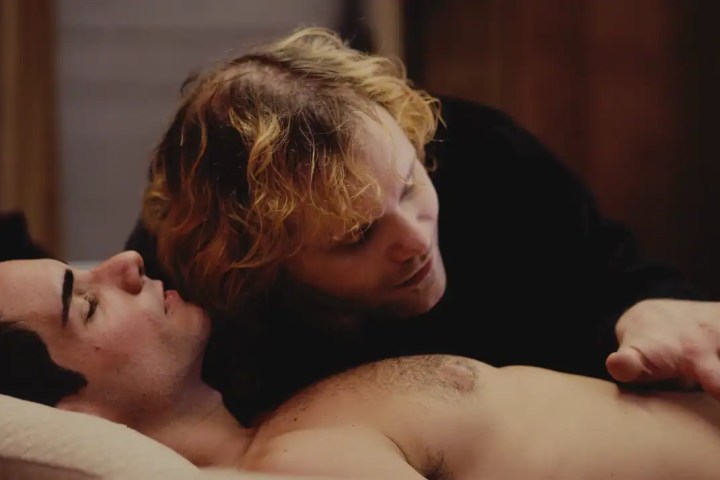
Ten years away from your hometown and family is not easy. But, when those ten years have seen you embrace your gender identity and become a passionate trans activist, the idea of home may seem like even more of a distant memory. For Caz (Elz Carrad), home is the small town of Rūrangi, New Zealand, and after abruptly leaving ten years prior, Caz is finally heading home. However, will anyone recognise them? And will their dad finally accept the reasons for their sudden departure? As Caz drives into the night, a lifetime of emotions builds up, from fear to pain, loss and insecurity. Here, Caz’s activist life in Auckland now feels hollow without the reconciliation and peace that family and friends bring.
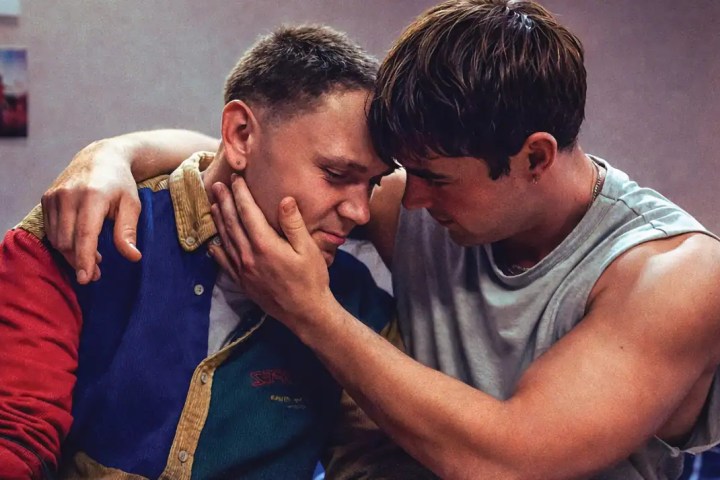
Their arrival back in town is caught in a whirlwind of doubt as they walk up the steps to the home of their childhood friend Anahera (Awhina Rose Ashby). But as the door opens and Anahera looks out, Caz finds their words stumbling as they awkwardly introduce themselves. Here, Anahera’s mind is initially blank as she stares at the young man on the doorstep. But as she looks into Caz’s eyes, she quickly sees her missing best friend staring back.
Initially devised as a five-part web series, director Max Currie weaves together all five episodes to create his feature-length film. This comes with a risk, as demonstrated in I Am Syd Stone, where the original episodic structure felt disjointed as a whole. However, Currie broadly avoids this risk in what is undoubtedly a groundbreaking trans movie. Here, Currie’s picture is one of the most assured, tender, and powerful explorations of the trans experience I have seen onscreen so far.
Caz’s journey is embedded in a post-transition narrative that focuses on the differing experiences of trans life in cities and rural communities. While simultaneously embracing discussions on indirect discrimination, community belonging, reconciliation, and transformation.
As Caz rebuilds a world long since lost, each conversation, interaction, and step contributes to a broader healing process. Elz Carrad anchors their performance in a blaze of emotion and joy as Caz’s journey unfolds toward an open conclusion. But equally impressive are Rurangi’s reflections on Maori culture and the intersectionality of experience. Here, themes of culture and identity are woven into the fabric of Caz’s journey. The result is a film that, while occasionally lacking a smooth narrative path, is a trailblazer in representation, its final message of hope, optimism and healing rooted in individual and community transformation.









Follow Us