
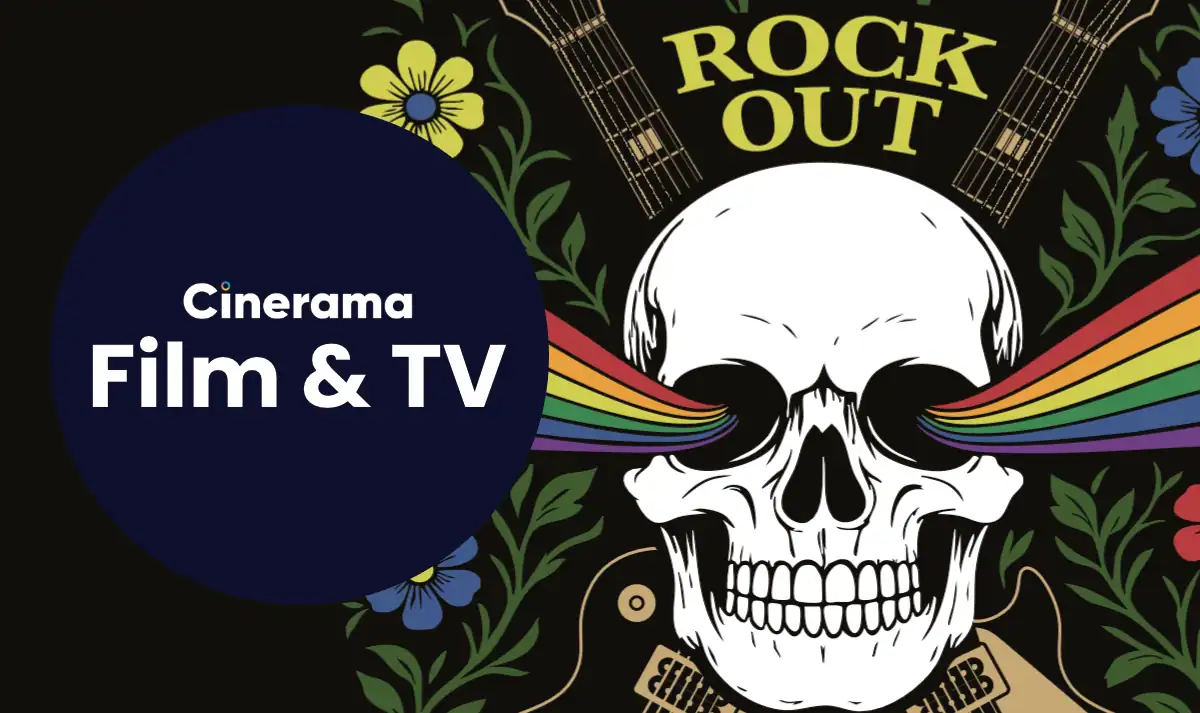
While celebrating the role LGBTQ+ people have played in creating our modern musical landscape, from the re-invention of the male image to the defiant challenge of gender norms, Dustin Lance Black’s ‘Rock Out’ also reflects on regret, fear and threat and its toll on many of those who were forced to remain hidden in public, from Epstein to Lambert, alongside a timely exploration of how pride and progress were all too often met with discrimination and oppression.
“Elvis may be the King of Rock’ n’ Roll, but I am the Queen!” – Little Richard.
Little Richard was a true king and queen of rock n’ roll, a trailblazer in his understanding of the power of queer culture in shaping performance, image, songwriting and style, but he wasn’t alone. In a modern world where artists such as Troye Sivan, Lil Nas X, and Janelle Monáe continue to break down barriers to queer belonging, freedom, security, and empowerment through their music, it’s easy to forget that the road to this point has been rocky, sometimes impassable, and always challenging.
From Dusty Springfield to George Michael, Elton John, and Freddie Mercury, LGBTQ+ freedom in the music industry was often silenced through fear of harm, career collapse and rejection, exemplified by the experiences of artists like out ’70s glam rocker Jobriath. Yet, without our diverse LGBTQ+ community, the music industry would not exist in its present form, and many of the cultural touchpoints of 20th- and 21st-century music now celebrated would not have been possible.
The music industry, like theatre, film, literature, and art, has a rich LGBTQ+ history often hidden in the shadows due to the secrecy and fear that surrounded gay life in the 20th Century and the power of a heteronormative world that erased many LGBTQ+ people from its records. We are only now reclaiming much of that history, and Dustin Lance Black’s deep-dive music documentary Rock Out is another important step forward in that journey.
In January 2012, Dustin Lance Black’s older brother, Marcus, died of cancer, and as he took his final breath, it was the music of the punk rock band The Dead Milkmen that guided his journey to a new plane. Marcus loved rock, punk, cars and guitars, and his image matched the music that he loved; however, one part of his life, a part he had kept hidden, leading to anxiety and depression, felt like it never fit his rocker image: his sexual orientation. Marcus came out to Dustin when he was working on the set of Milk, and when he asked him, “Are there any gays like me?” Dustin was stumped for an answer, replying, “I don’t know.” It was a response that has clearly haunted Black in the years since, and Rock Out not only seeks to explore why that question stumped him back in 2008 but also why his brother felt his musical love and image were incompatible with his sexuality.
Criss-crossing the Atlantic, Rock Out offers us a fascinating and informative journey through LGBTQ+ music history, from Bessie Smith and Ma Rainey and the coded songs of early queer Blues to the British revolution led by publically closeted managers like Larry Parnes (Billy Fury), Brian Epstein (The Beatles) and Kit Lambert (The Who) and the transformational role of David Bowie, Freddie Mercury and Rob Halford (Judas Priest).

Through archival footage, needle drops, sound bites, and interviews, Rock Out is a mighty mixtape of queer musical history that is both mindful and momentous. There are fresh interviews with Peter Brown (business partner of Brian Epstein), manager, producer and writer Simon Napier Bell, who talks at length about Vicki Wickham, who booked all the acts for the UK TV show Ready Steady Go! during her relationship with Dusty Springfield to trans glam rock legend Jayne County, whose work helped inspire a whole new generation of queer artists and a brief and revelatory meeting between Lance Black and The Dead Milkman’s front man Joseph Genaro.
But while celebrating the role LGBTQ+ people have played in creating our modern musical landscape, from the re-invention of the male image to the defiant challenge of gender norms, Black also reflects on regret, fear and threat and its toll on many of those who were forced to remain hidden in public, from Epstein to Lambert, alongside a timely exploration of how pride and progress were all too often met with discrimination and oppression.
But what of the question Marcus asked Dustin when he was struggling to navigate the interface between his love of rock music, his image and his sexual identity?
Marcus was born into a generation where society dictated what a gay man looked, acted and sounded like. Gay men were camp, effeminate and weak. They were accepted in TV and film only if they were there to be laughed at and ridiculed, and in music, their survival depended on hiding their love life and desires. Like Marcus, I, too, came out not knowing if there were gay men like me, confused by the images that the media and press had force-fed me as a child. Of course, there were gay men just like me, gay men who felt like me, wondering just like me whether they fit the LGBTQ+ world. Just like our musical world is a wonderful mix of instruments and notes, our community is the same; it just takes time to discover its composition.
As Rock Out ends, it’s clear that Dustin’s answer to his brother would now be, “Hell, yes! Of course, there are people like you!” That shows just how far we have come. However, even now, dark clouds constantly threaten to rain on our parade. Rock Out is a timely reminder that our rights and visibility are never assured unless we play our music loud and never stop rocking out, even when people want to silence us.
Dustin Lance Black’s Rock Out premiered at Sheffield DocFest and is awaiting a UK-wide release date.






Follow Us