

It’s a Sin reminds us all of our capacity to fight for justice, dignity and human rights in a world where governments refuse to listen. It asks us to hold onto the memory of those who came before us and keep them close to our hearts as we continue the fight, which certainly isn’t over, for community, justice, and equality. It’s a Sin is available now on Channel 4 and All 4.
When Russell T. Davies’ groundbreaking Queer as Folk first aired on February 23, 1999, the landscape of TV and queer storytelling changed forever. Queer as Folk sparked a newfound confidence in the LGBTQ+ community as it slowly emerged from the horror and oppression of the AIDS epidemic of the ’80s and early ’90s in a country that felt reborn following New Labour’s election victory in 1997.
It was a similar optimism that surrounded inner-city ’70s gay life before the arrival of HIV and AIDS, and through It’s a Sin, Davies explores how that ’70s and early ’80s hope for change would come crashing down suddenly and violently, leading to two decades of oppression and fear, and a fresh and urgent fight for equality that would eventually lead to the world portrayed in Queer as Folk.
Both dramas are inextricably linked, one exploring the post-AIDS world of the late ’90s and early ’00s, where communities had begun to rebuild and reshape the LGBTQ+ experience and the other exploring the world torn apart by the AIDS epidemic and the differing attitudes, thoughts and beliefs the LGBTQ+ community held as it arrived on our shores.

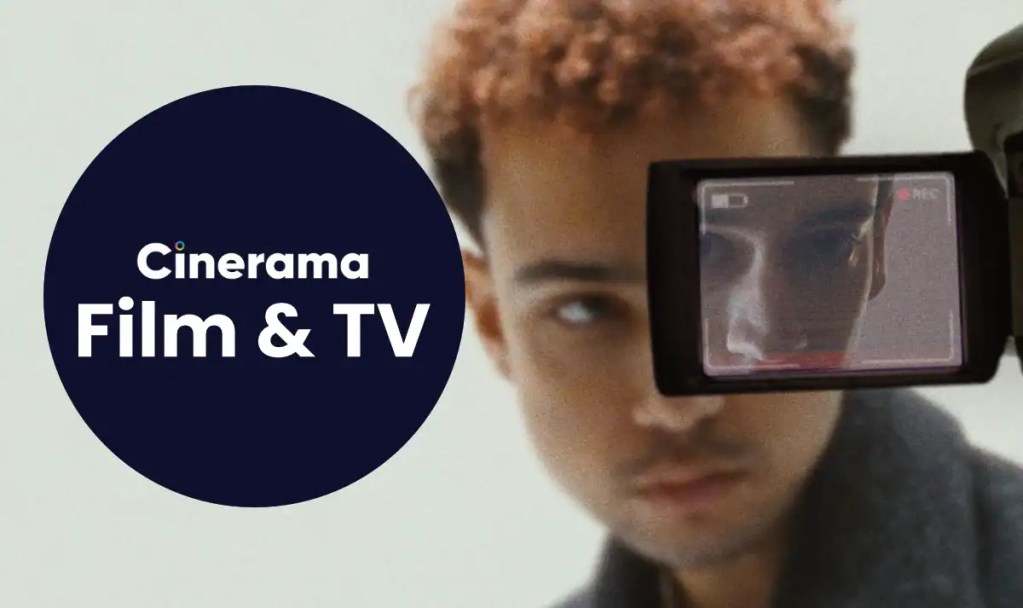
Richie (Olly Alexander) is a middle-class boy from the Isle of Wight who, like so many young gay men of the time, has just moved to London to embrace his sexuality and escape his closeted home life. For Richie, his university education is an escape door that opens up a world of possibilities as he explodes from the closet and breathes in a newfound world of sex, liberation, adventure, and dance. Richie’s view of the world is full of free-wheeling love and fun, as he creates two separate lives, one out and proud and the other bathed in secrecy. His friend Jill (Lydia West) is a stabilising force in Richie’s life; she is loving, accepting, and grounded, and her friendship is a foundation of security and stability.
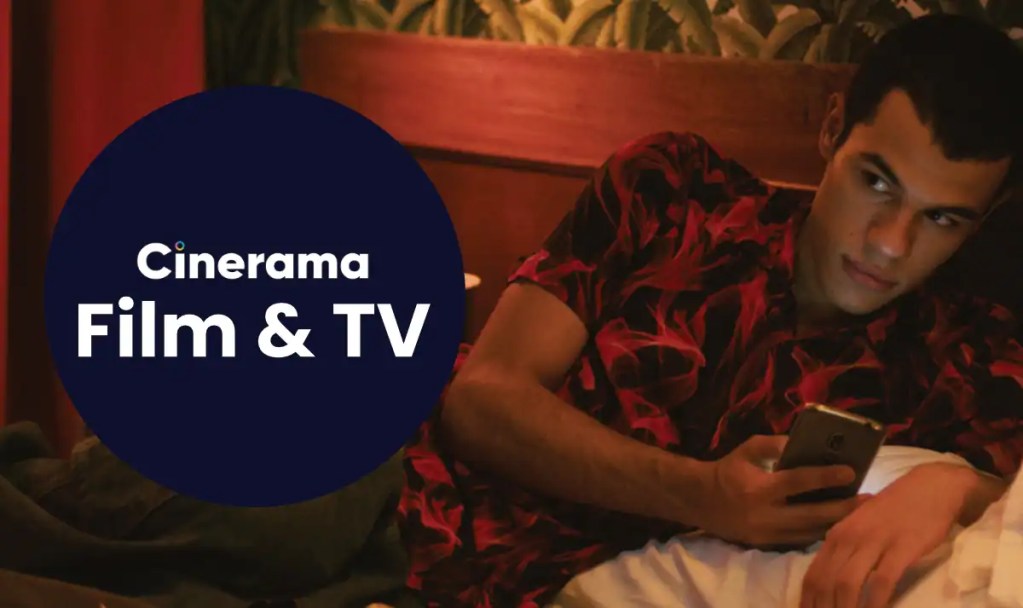
Meanwhile, Roscoe (Omari Douglas) is outwardly fierce yet internally tender, his Nigerian family roots leading him to flee his Peckham family home in fear of religious conversion therapy or worse. Roscoe’s worldview is shaped by his intersectionality, anger, and defiance. In contrast, Colin (Callum Scott Howells) has arrived in London after leaving his home in the Welsh valleys to pursue a career as a tailor, with the cultural shift both liberating and scary as he attempts to find his voice.
The LGBTQ+ community is often portrayed as homogeneous in dramas, but, like Arthur Bressan Jr.’s Buddies and Tony Kushner’s Angels in America, Davies is more interested in the diversity of the LGBTQ+ community’s experiences. In It’s a Sin, the importance of found family for those building new, and frequently secret lives in big cities, sits centre stage as an unknown virus invades the security of their, at times, dysfunctional and confrontational, but always loving, found family unit.
At the heart of this ‘found family’ experience is the social and political impact of Thatcher’s new Britain, and the political beliefs, behaviours and actions the government would encourage and enact, increasing isolation, fear and oppression while making the LGBTQ+ community’s response to the virus so challenging.
The government would encourage messaging that bred fear and persecution, creating a public image of HIV and AIDS that would last for decades and create untold damage for future generations. While never making it overt in public, the government actively encouraged people to view gay men as dangerous and sexually permissive carriers of disease, adding to the layers of shame created throughout childhood and adolescence for so many men, while encouraging them to suffer in silence in fear of public reaction.
It’s a Sin not only confronts the systemic failures of the Thatcher government but also the willful inaction and misinformation that increased death and suffering, and the role of government in the orchestrated persecution that followed. Against this backdrop, It’s a Sin celebrates the courage of a community under siege and the fortitude of those who fought and campaigned, whether gay, bisexual or straight. The fight for healthcare, understanding and equality was full of individual and group bravery, and it’s here where It’s a Sin is at its most powerful and emotional.
It’s a Sin reminds us all of our capacity to fight for justice, dignity and human rights in a world where governments refuse to listen. It asks us to hold onto the memory of those who came before us and keep them close to our hearts as we continue the fight, which certainly isn’t over, for community, justice, and equality.
Discover more from Cinerama Film
Subscribe to get the latest posts sent to your email.




















Follow Us