

While the first half works well in emphasising its atmosphere with a series of short, sharp scares, the more we learn, the more plot holes and clichès we encounter. Post Mortem is screening at Frightfest.
Post Mortem is undoubtedly a milestone, not for its outstanding quality but for its place as Hungary’s first feature horror film. While it may sound unlikely that it took till 2020 for a Hungarian horror film to appear, it is worth noting that the horror genre was frowned upon in Soviet-occupied Eastern Europe until the late 1980s. The genre was viewed as a morally derogatory product of Western culture; however, there have been some less notable Hungarian attempts at horror, from the poorly aged 1977 tv movie Defekt to horror-esque sequences in films like György Pálfi’s Taxidermia (2006) and Árpád Sopsits’ Strangled (2016).
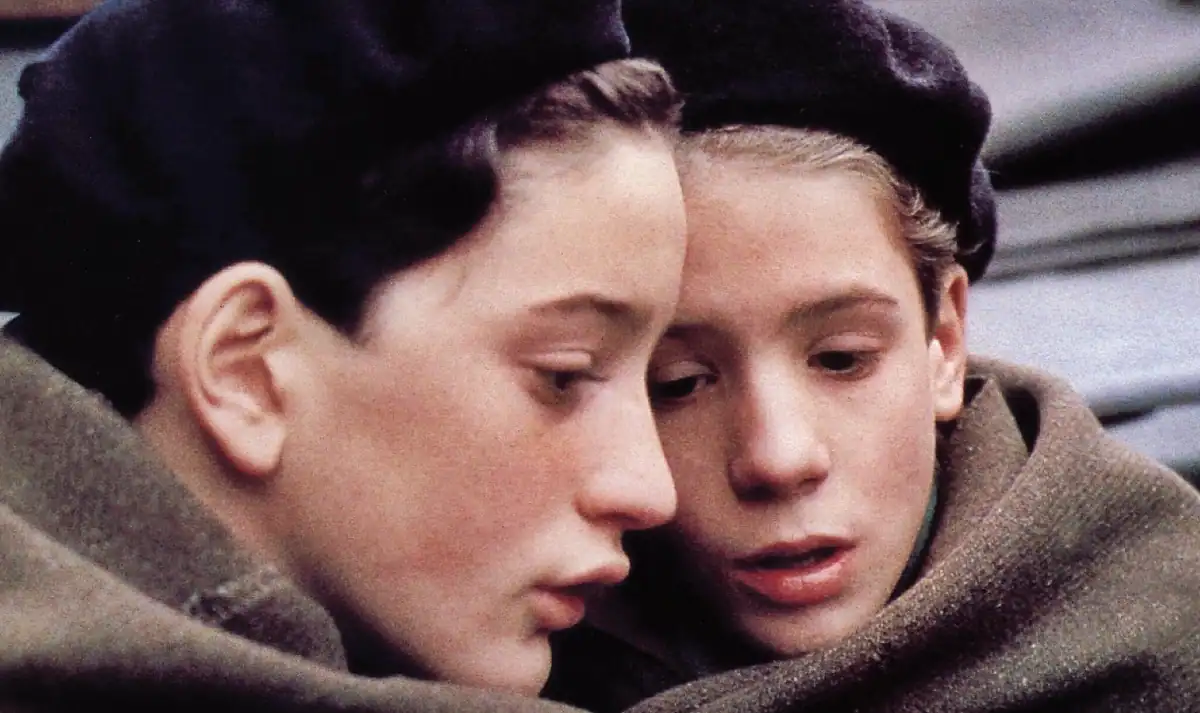
In a post-war Hungarian countryside, where Spanish flu continues to claim new victims, Tomás (Viktor Klem), a World War I veteran, earns a living as a post-mortem photographer. When he is invited to a small, haunted village by a strange little girl, Anna (Fruzsina Hais), his photography takes a detour as he investigates a poltergeist-like phenomenon that threatens the everyday lives of those in the village.
READ MORE: BLAST OF SILENCE
For a horror debut, Post Mortem excels in its premise and its setting; after all, there is something otherworldly and unsettling about the idea of post-mortem photography, a topic barely depicted in gothic horror. Anyone who has seen those strange and haunting pictures of deceased adults and children surrounded by their families will know exactly what I mean. Post Mortem, therefore, serves as a perfect horror concept, especially in scenes depicting the day-to-day treatment of corpses as they are posed for photos. The film bathes in spine-chilling horror as dead limbs are stretched and moved despite the rigor mortis.
However, the strength of the topic often feels underutilised, with the themes lacking any exploration, even on a meta level. For example, there is a missed opportunity to tie the photography to the very nature of filmmaking, which could have added layers of interest to Post Mortem. However, there is a strong emphasis on the bleak, muddy countryside surrounding a village of hopelessness and death—the colour tones are almost black-and-white, resembling the gloom of a Béla Tarr film.
READ MORE: LOVE (1971)
While the first half works well in emphasising its atmosphere with a series of short, sharp scares, the more we learn, the more plot holes and clichès we encounter. By the finale, it feels like the filmmakers have let go of the idea of creeping supernatural horror in favour of a Hollywood-inspired horror spectacular. And while the visual elements of this climax are impressive and, I dare say, unprecedented for a Hungarian film, some of the special effects also feel incomplete.
Yet Post Mortem’s most significant inconsistency stems from the filmmaker’s inability to decide whether they want to create a serious, depressing, or suitably scary horror film. The pacing only highlights this confusion in the final movie, which is at least half an hour too long for its limited plot, resulting in a film that replaces its slow-burn horror with a Sam Raimi or Peter Jackson-inspired horror-comedy gorefest, missing the laughs. This discrepancy heavily undercuts the otherwise perfect combination of post-war gothic melancholia, eerie imagery, Eastern European folklore and superstition.
READ MORE: BOY #5
While I strongly feel that the filmmakers hoped to create something genuinely explosive and memorable, a breakthrough horror in Hungarian cinema, Post Mortem fails to bring anything new or noteworthy to the table. Its authentic setting and gothic horror theme are ultimately ruined by the increasing need to adopt an American horror aesthetic. However, while this is undoubtedly a disappointment, hopefully, it motivates others and opens up opportunities for better attempts.











Follow Us