

Responsible Child is streaming now on BBC iPlayer.
Every once in a while, a TV drama asks our society to look at its failings, testing our views, opinions, and judgments through a nuanced exploration of social development and decline. Written by Sean Buckley (Skins) and directed by the documentary filmmaker Nick Holt, Responsible Child is one of those dramas. Buckley and Holt explore the law in England and Wales that allows a Crown Court to try children as young as ten – a law that, despite countless child protection rules stating the opposite, believes that children hold the same mental capacity as grown adults when committing severe crimes.
Responsible Child not only unpicks and challenges this confused position on the rights of the child, but it also explores the problematic lifting of media restrictions on some childhood crimes. Of course, we all know that children do commit horrendous crimes, and this raises serious questions about our society. But is the answer, public witchhunts of ten-year-olds? Or to give up on them and throw away the key?
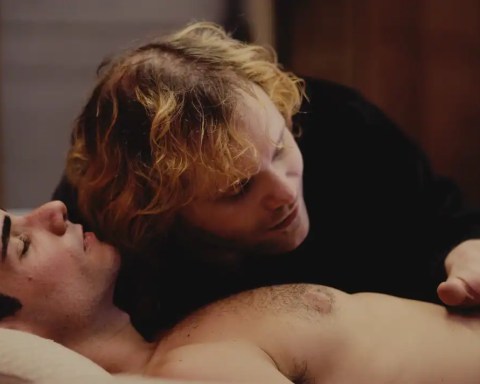
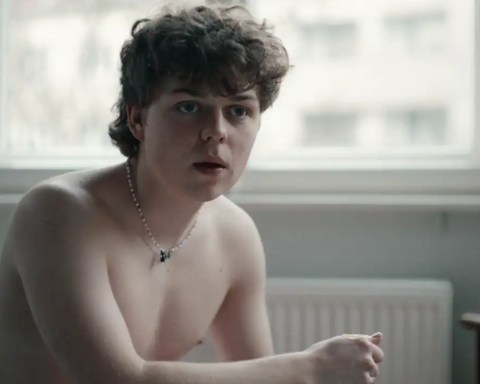
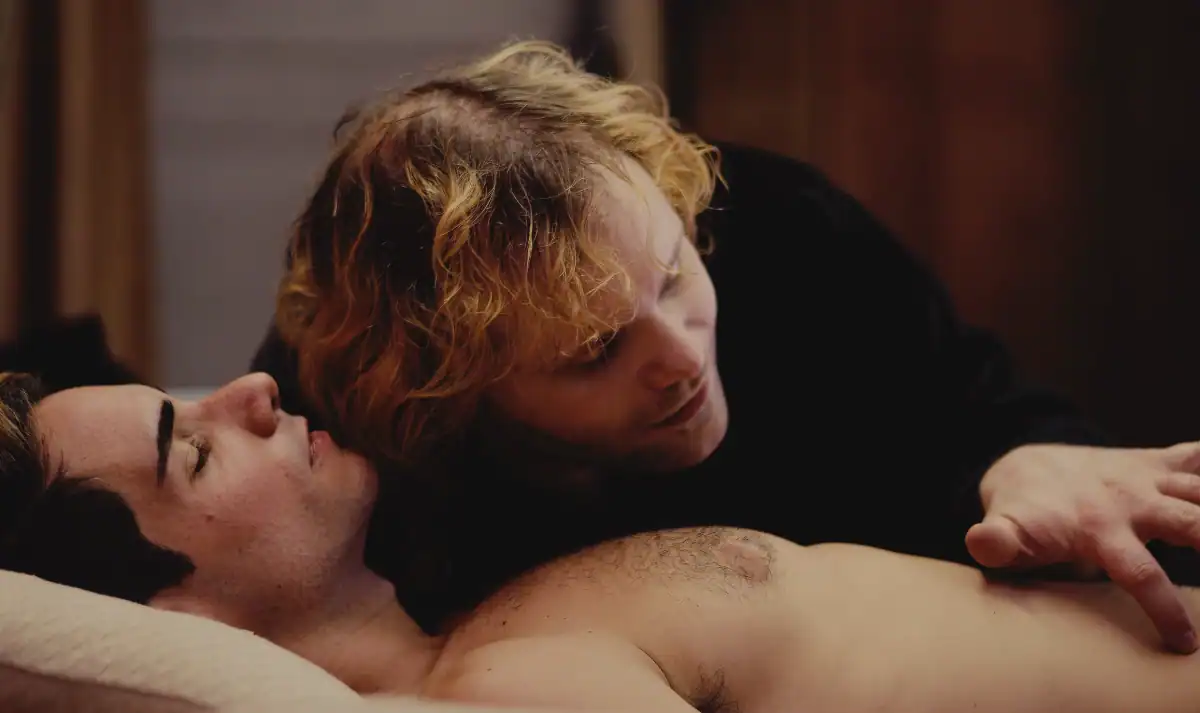
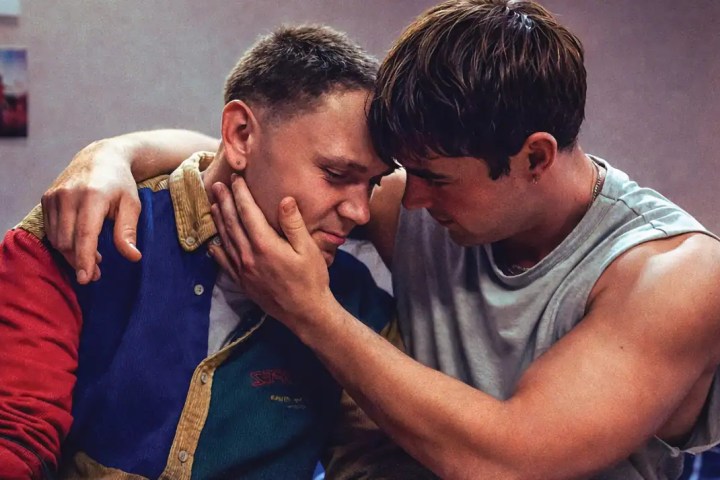
Sean Buckley’s screenplay draws from several cases involving children in building its narrative, while at the same time placing a core focus on the real-life case of two brothers aged 14 and 23 who stabbed their abusive stepfather to death in 2014. While horrendous, their crime was also tied to ongoing domestic abuse. Within this context, we meet 12-year-old Ray (Billy Barratt) and his 23-year-old brother Nathan (James Tarpey) just as they enter the criminal justice system after the murder of their mum’s abusive boyfriend, Scott. One brother would take the adult route, while the other would sit in the no-man’s land of the juvenile system.
As preparations for Ray’s trial begin in the experienced hands of his state-assigned Barrister (Michelle Fairley), we are taken back to the weeks preceding the horrific murder in a series of flashbacks. Responsible Child explores the family breakdown from Ray’s perspective, from the domestic violence to the social failings and dysfunctional parenting he endured. However, Responsible Child also explores the broader failings of the social safety net surrounding Ray and his family, where, despite the clear and present turmoil in Ray’s life, social services’ input is kept to a minimum.
Sean Buckley masterfully weaves past and present, exploring missed opportunities for help, the complacent role of social services, and the eventual tragedy. Responsible Child excels at raising necessary and overdue questions about the treatment of children within the criminal justice system; after all, while the U.K. proudly places child protection at the heart of its public policy, it also treats children as adults in the criminal justice system. This creates a highly confused picture of responsibility, where social views of childhood innocence and protection juxtapose with opinions on a child’s understanding of crime.
The film’s final scenes only further elevate these crucial questions as we see Ray begin the process of unpicking his crime within his secure children’s home, only receiving the support he needs long after falling through the social safety net.
While watching these final scenes, I wondered whether this drama could lead to a long-awaited reexamination of children navigating the adult court system. Unfortunately, this remains unlikely in a society where our image of childhood innocence sits uncomfortably alongside an ever-increasing right-wing stance on harsh justice, no matter the age of the perpetrator.







Follow Us